
Sarees — Latest Saree Designs Online
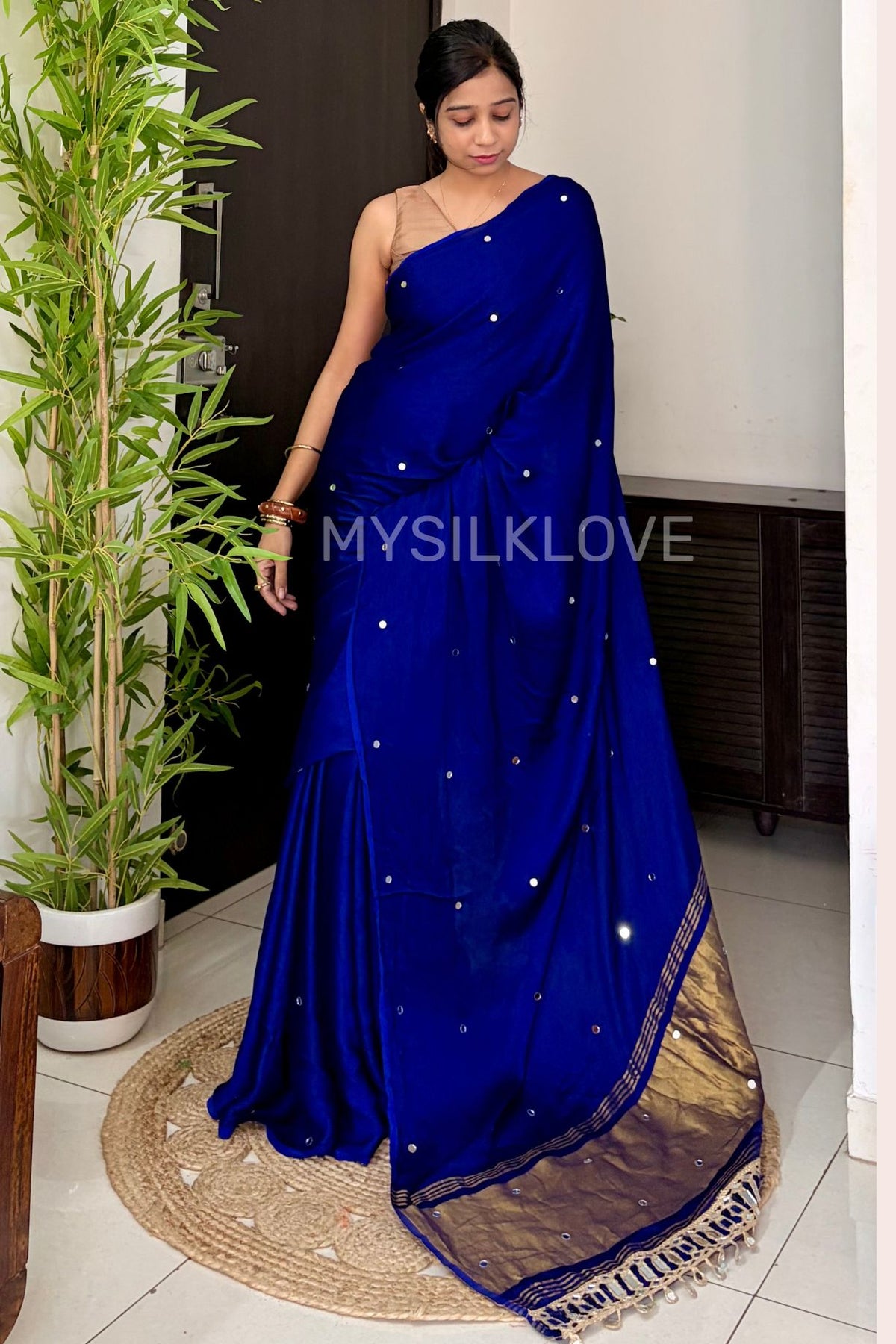
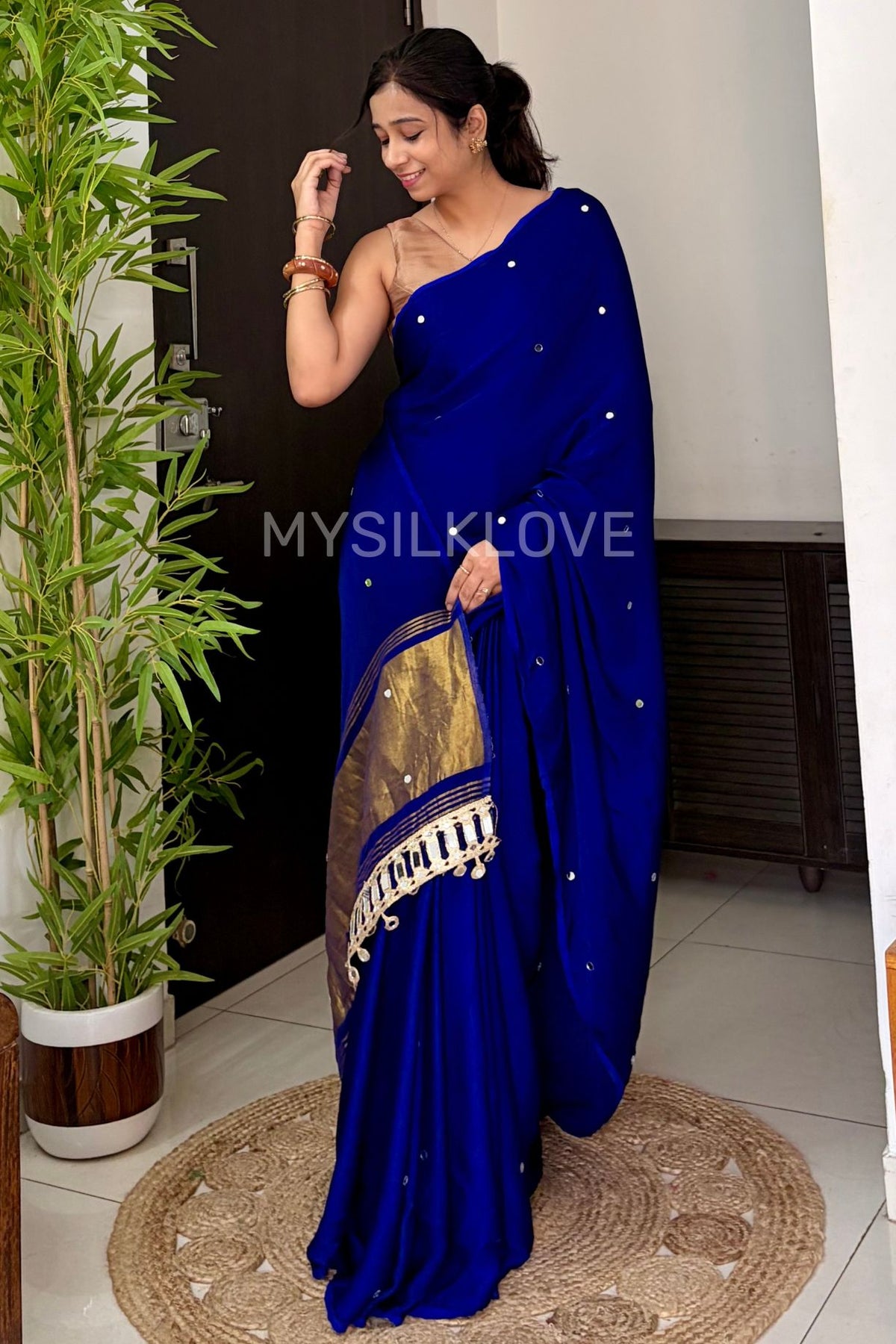
Lapis Blue Pure Gajji Modal Silk Mirror Work Saree with Lagdi Zari Pallu
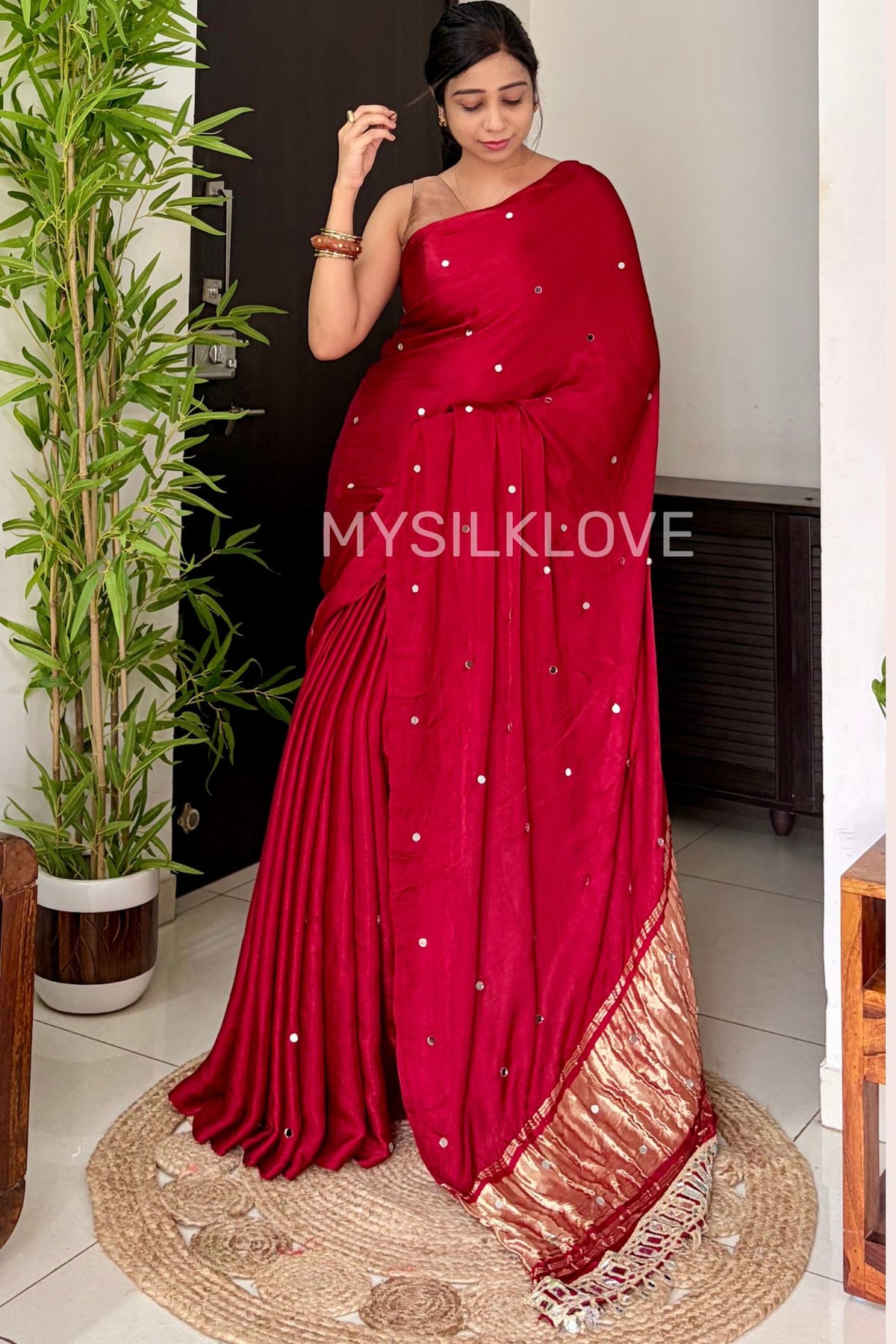
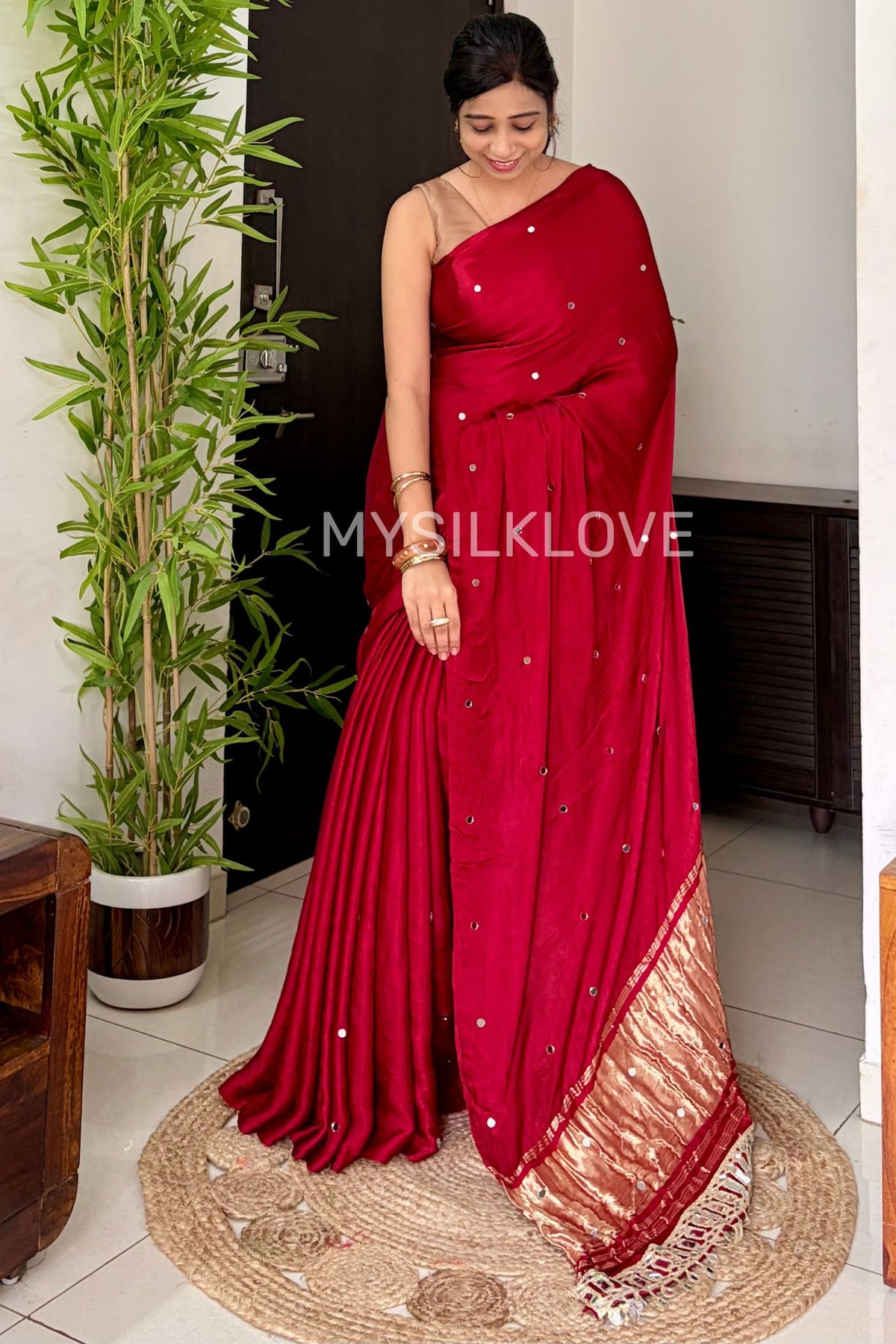
Garnet Maroon Pure Gajji Modal Silk Mirror Work Saree with Lagdi Zari Pallu
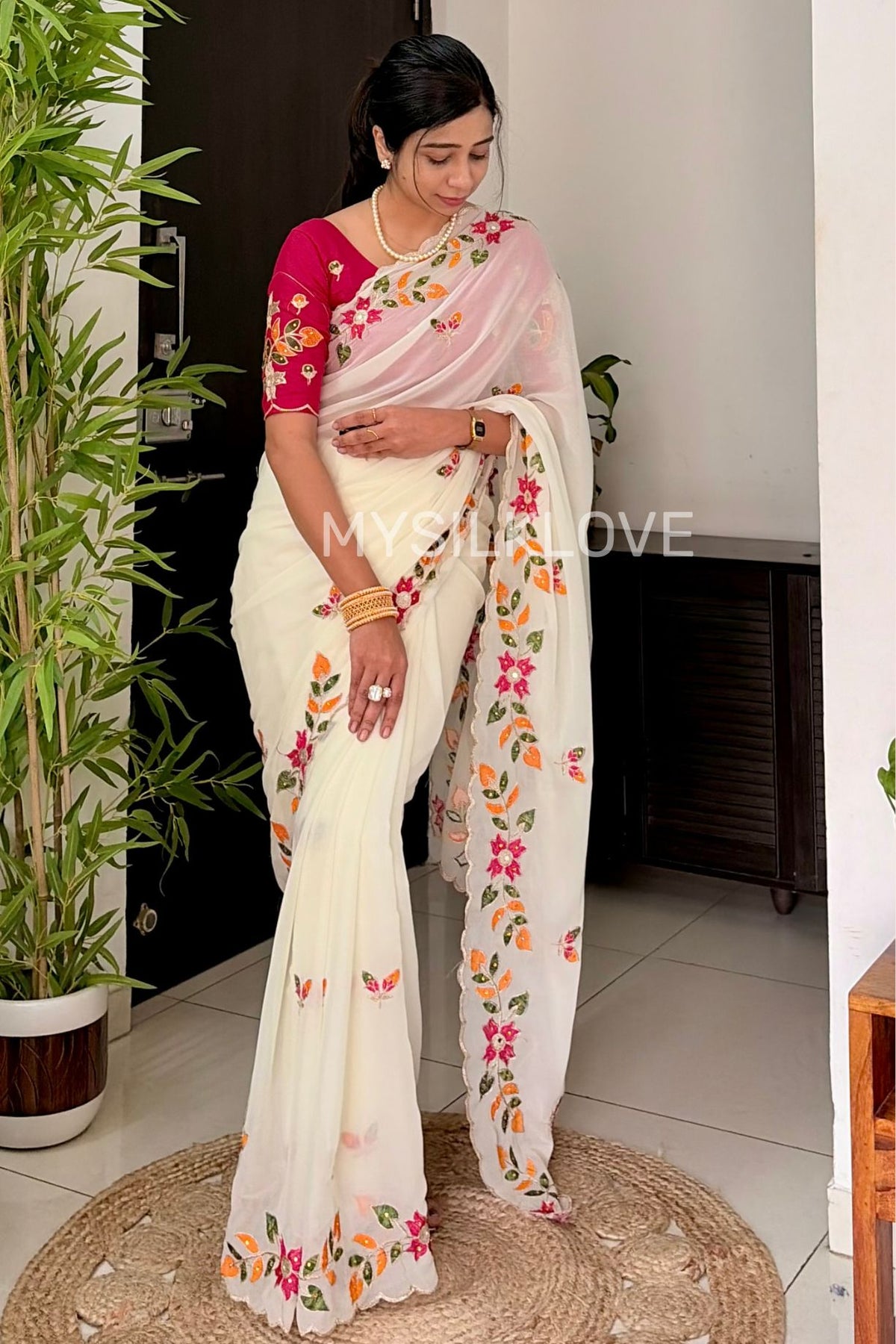
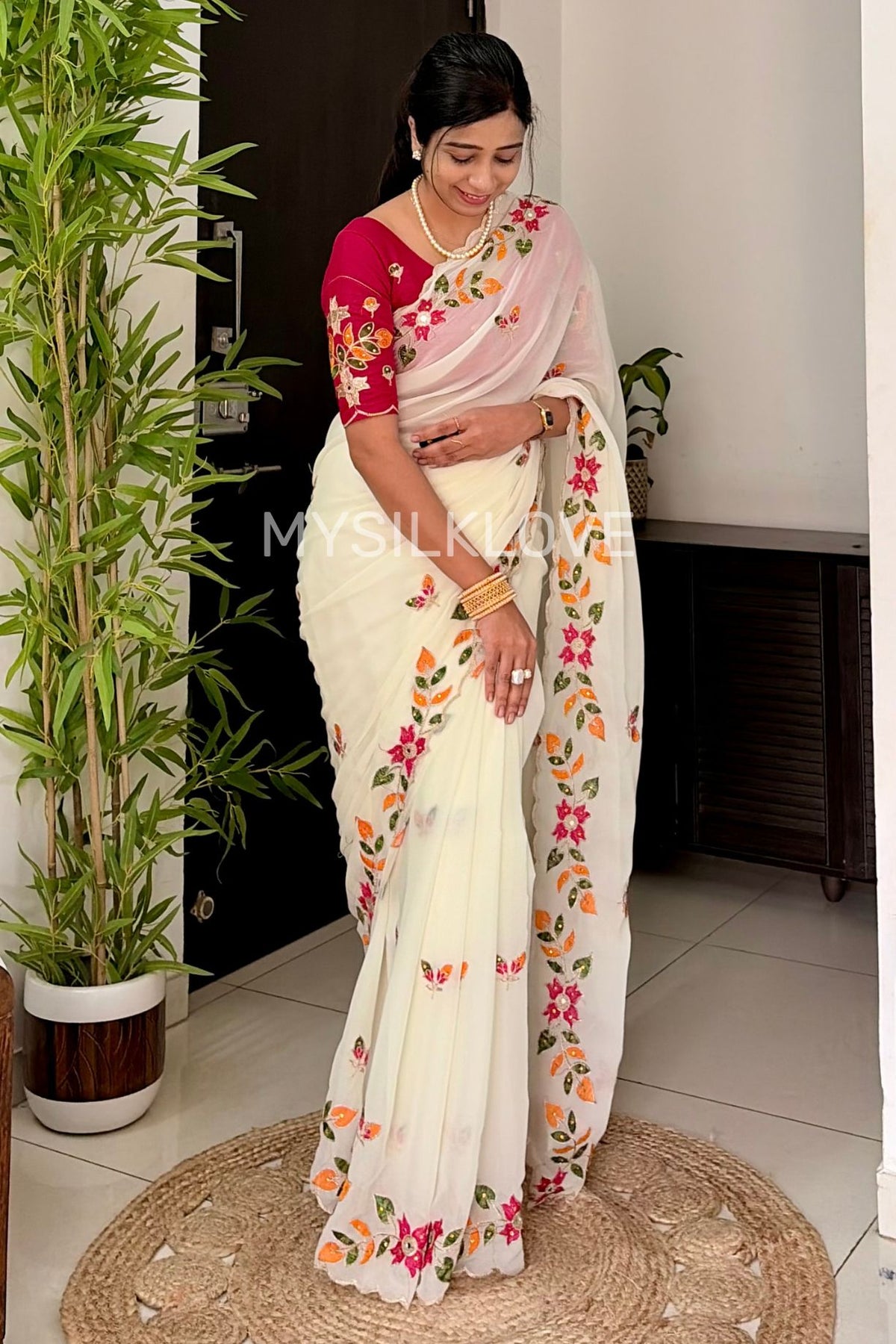
Frost White Designer Embroidered Georgette Saree with Embroidery Blouse Piece
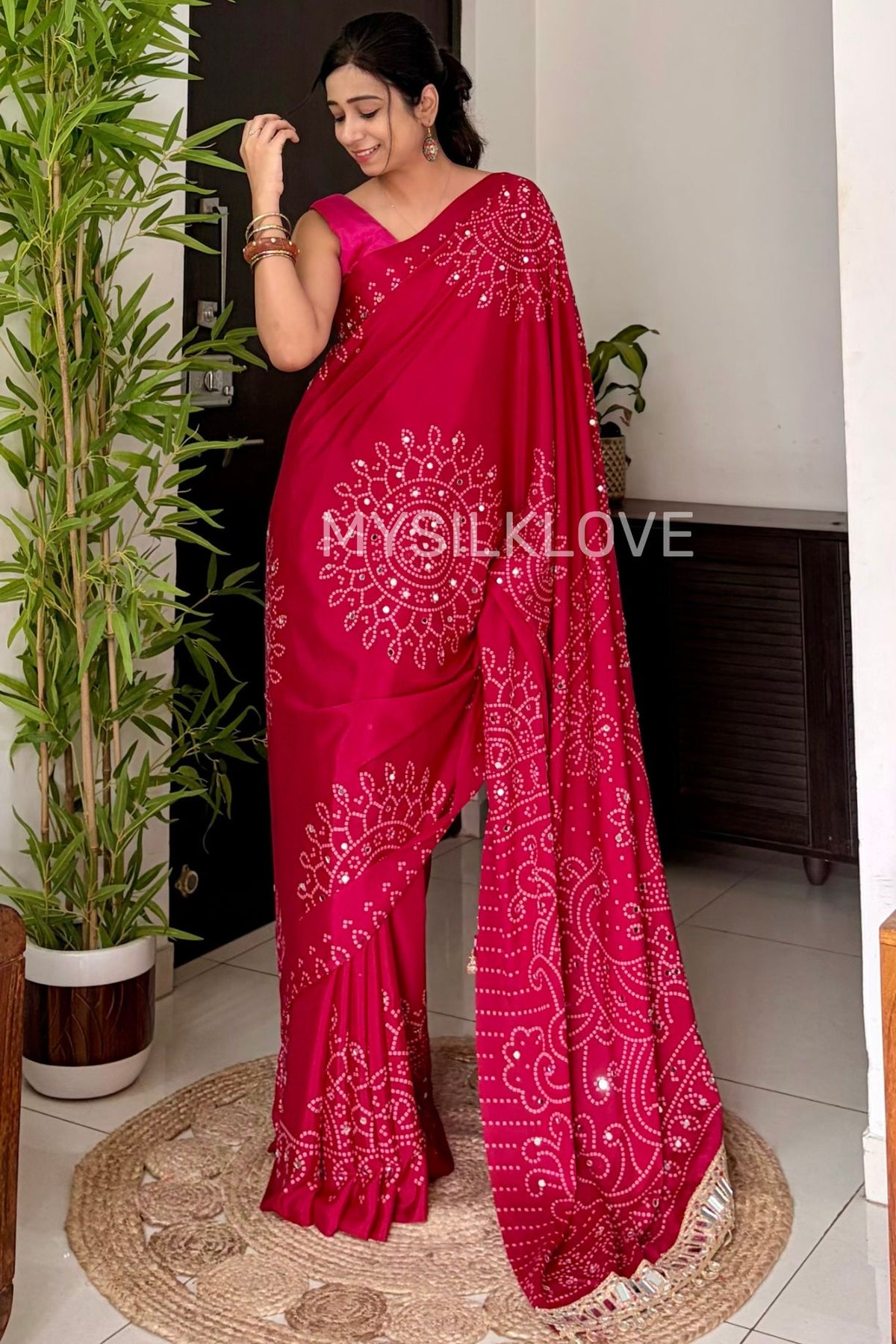
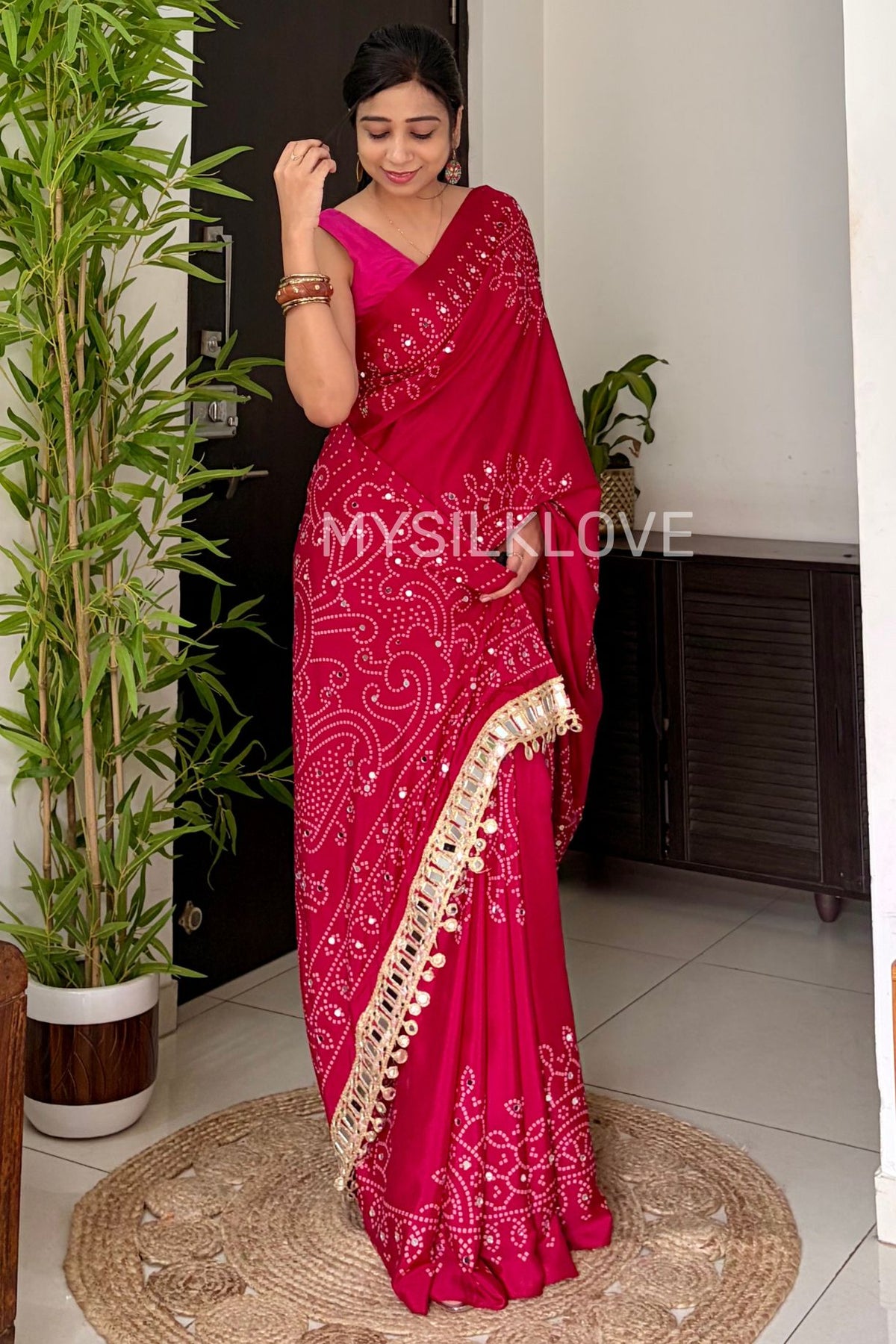
Punch Pink Bandhani Gaji Satin Mirror Work Silk Crepe Saree
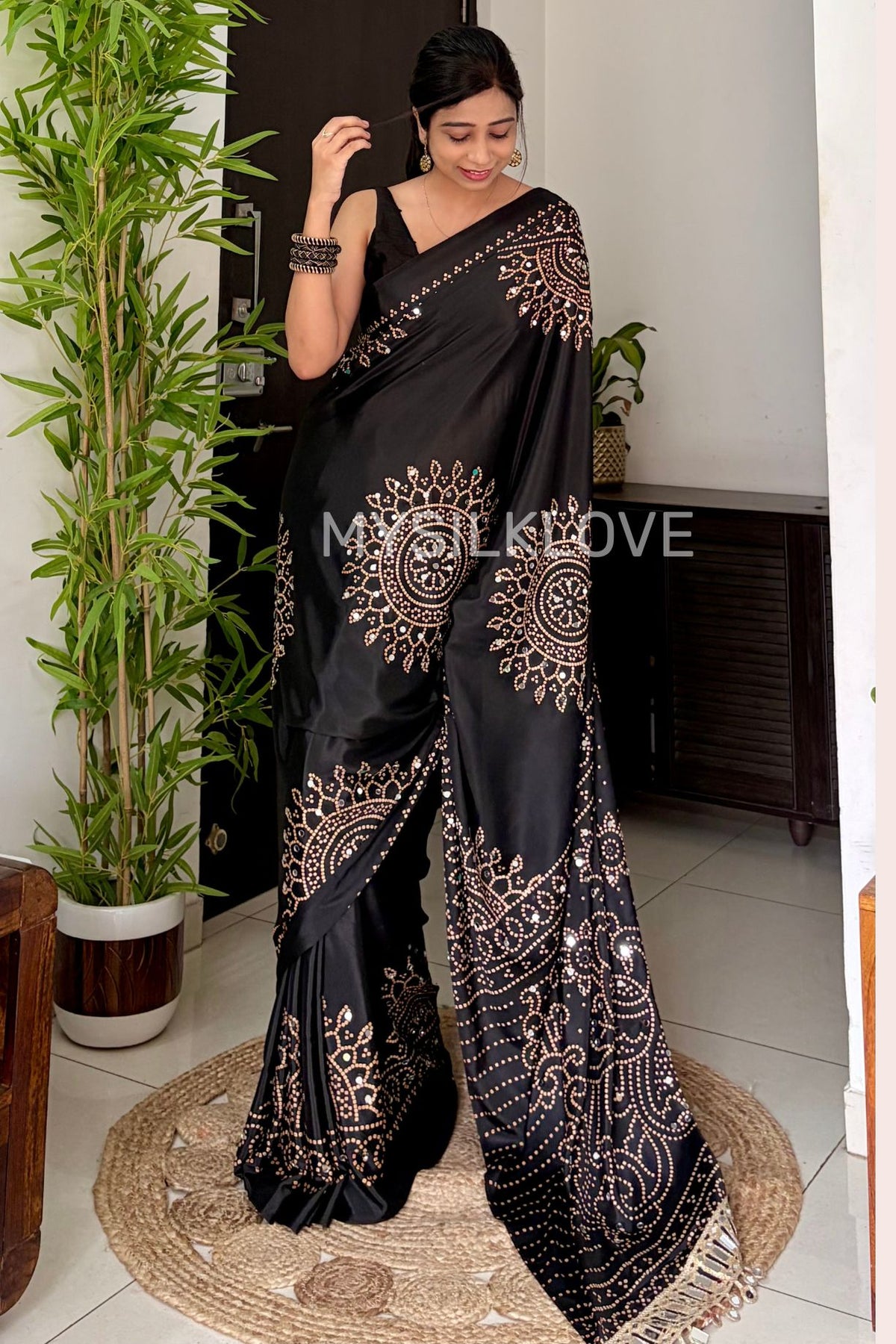
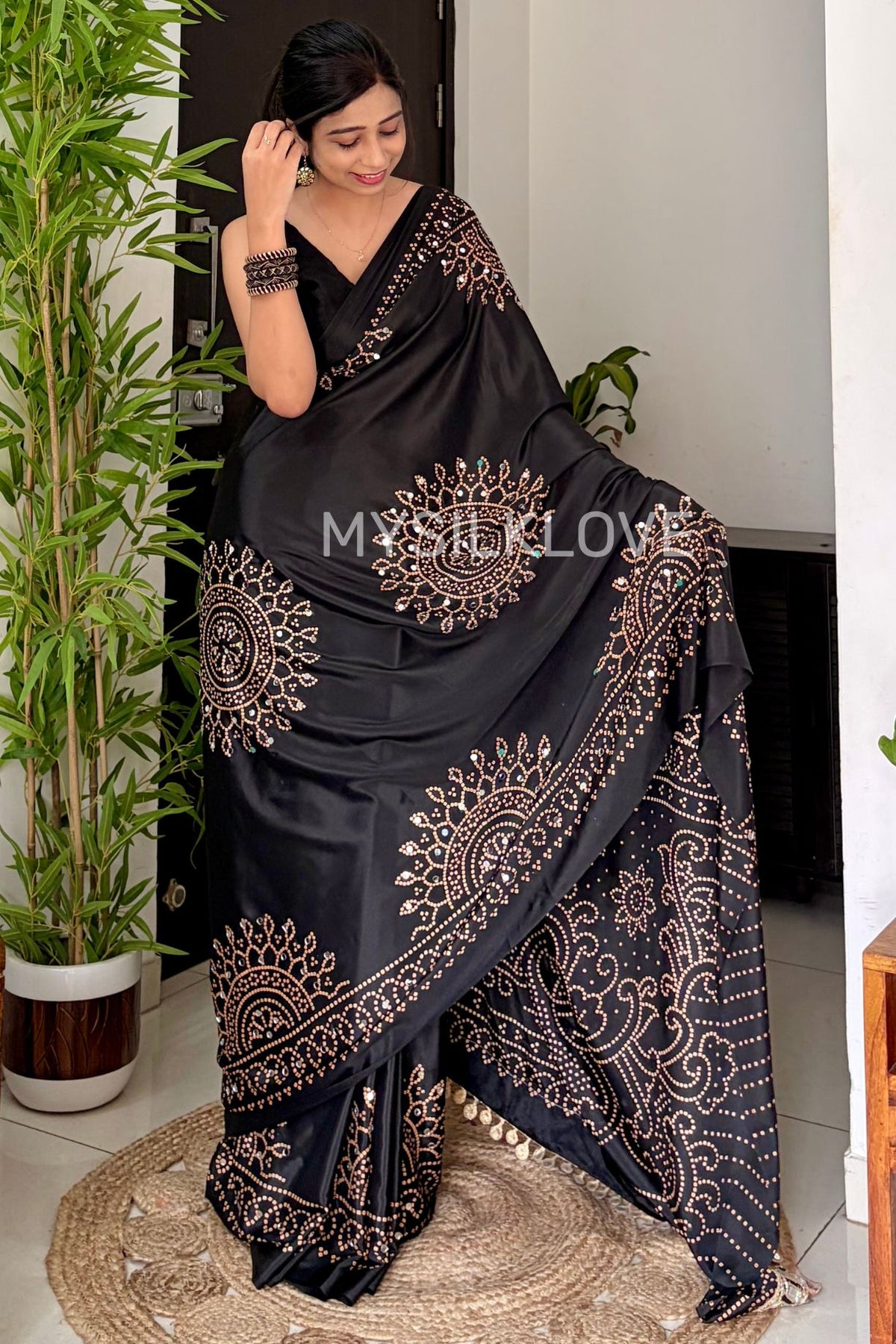
Black Bean Bandhani Gaji Satin Mirror Work Silk Crepe Saree
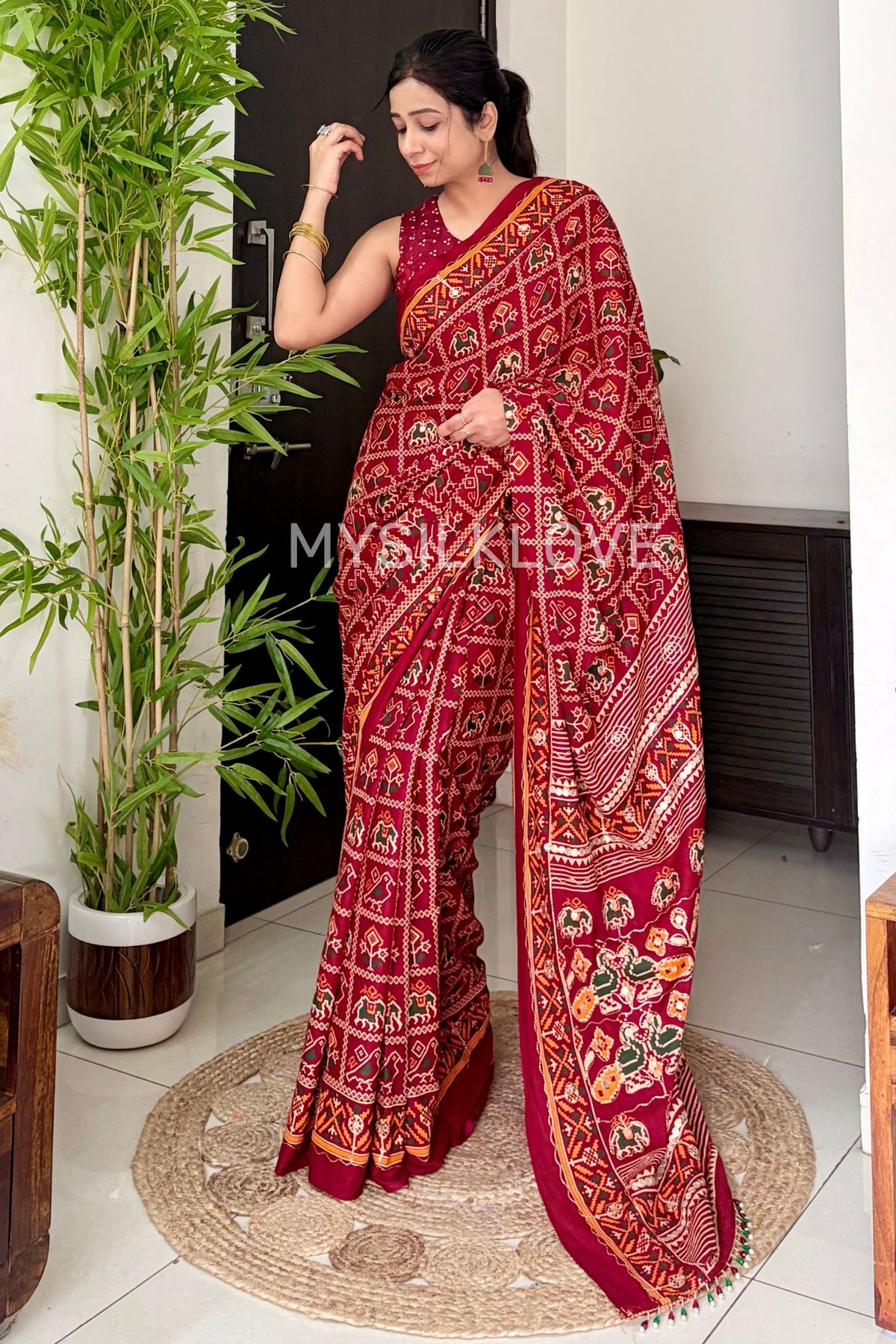
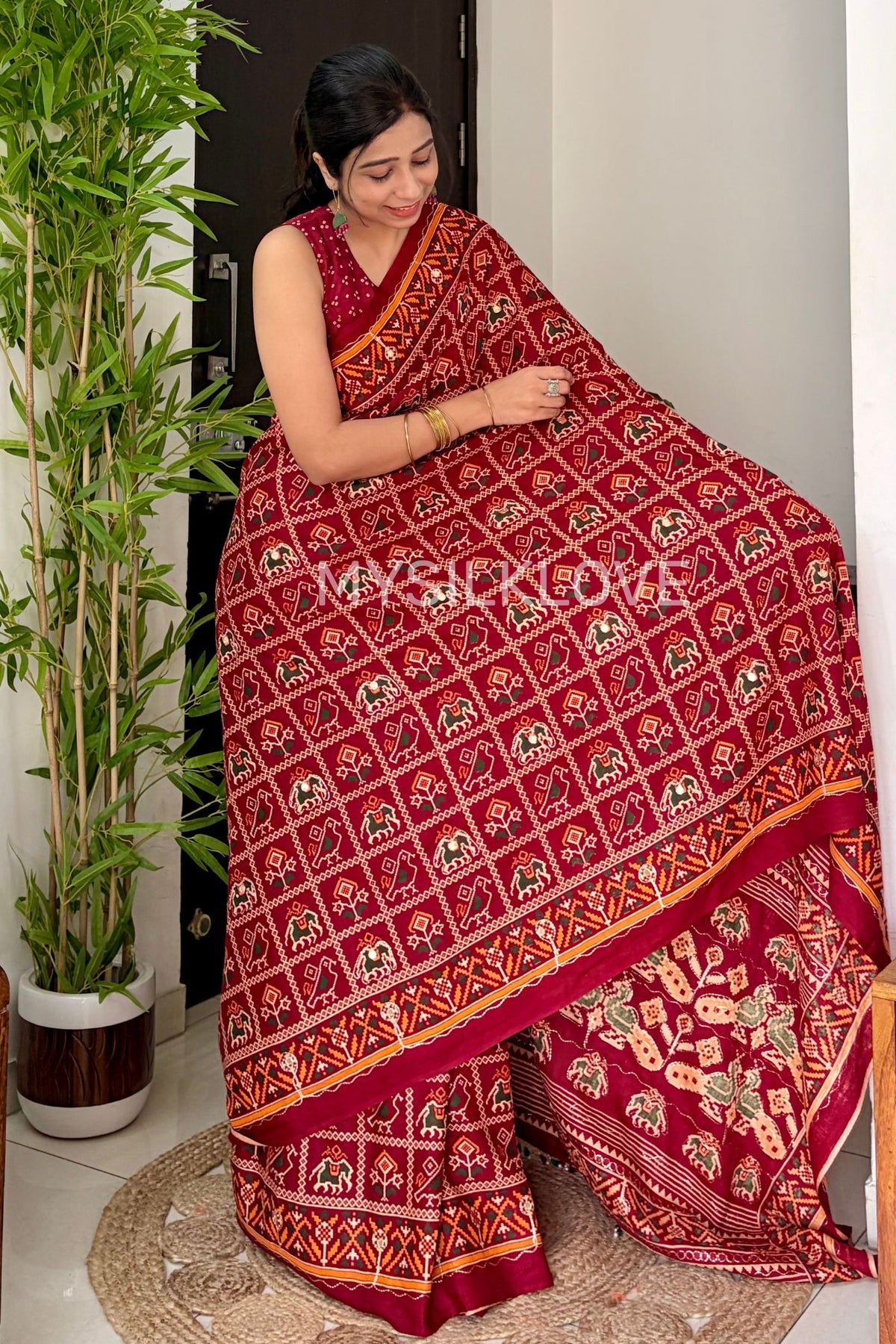
Cherry Red Patola Embroidery Small Mirror Work Handloom Saree
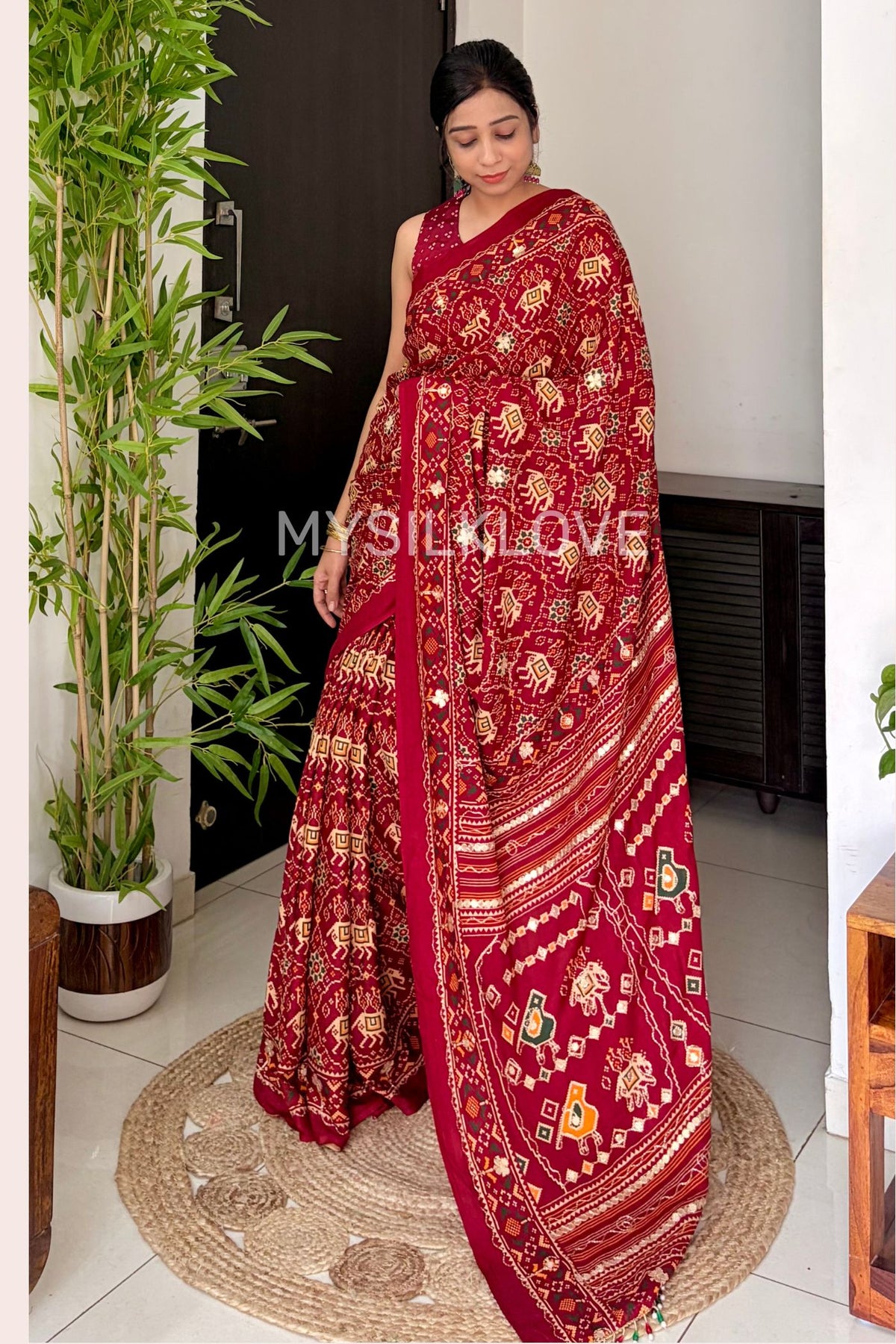
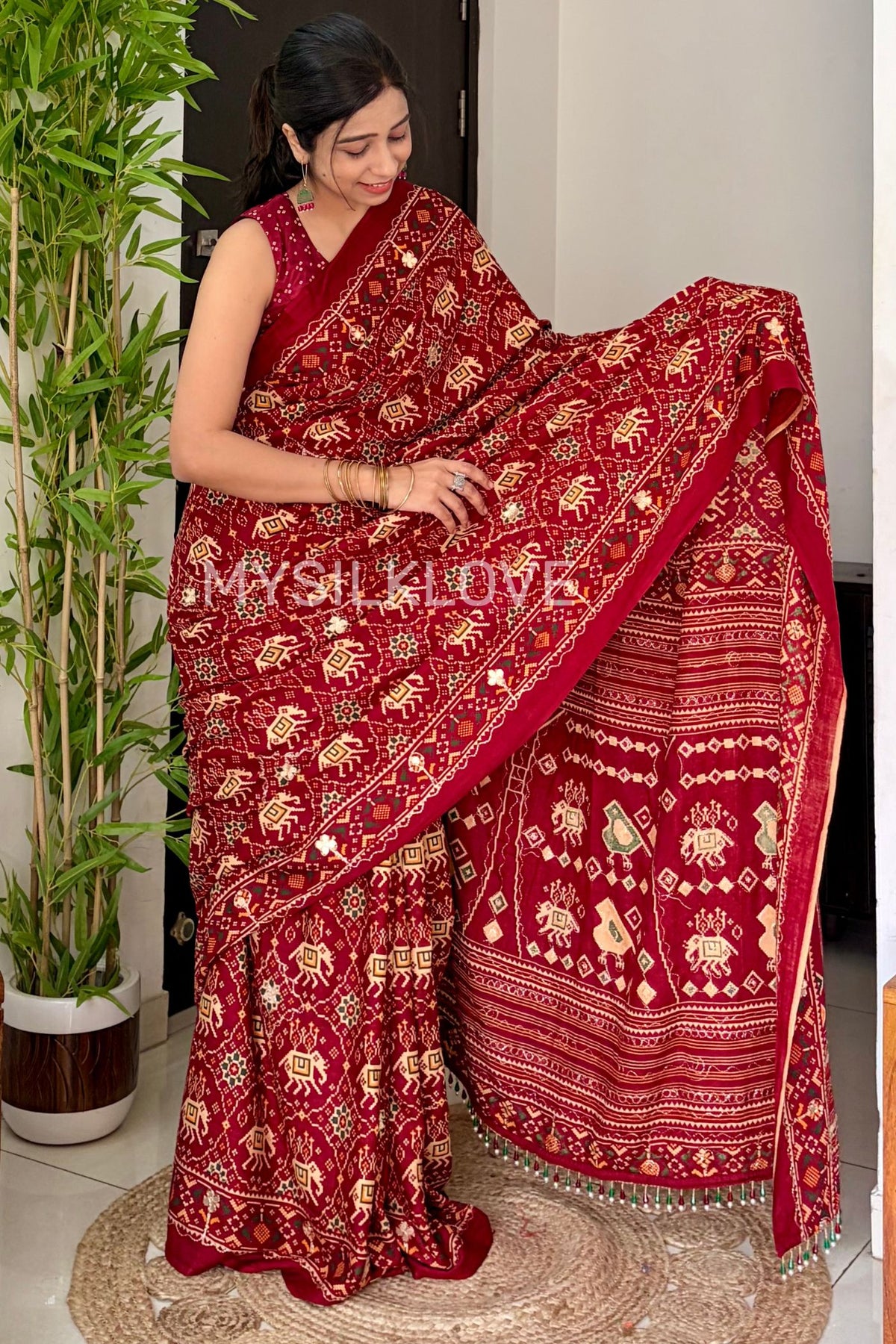
Scarlet Red Patola Embroidery Small Mirror Work Handloom Saree
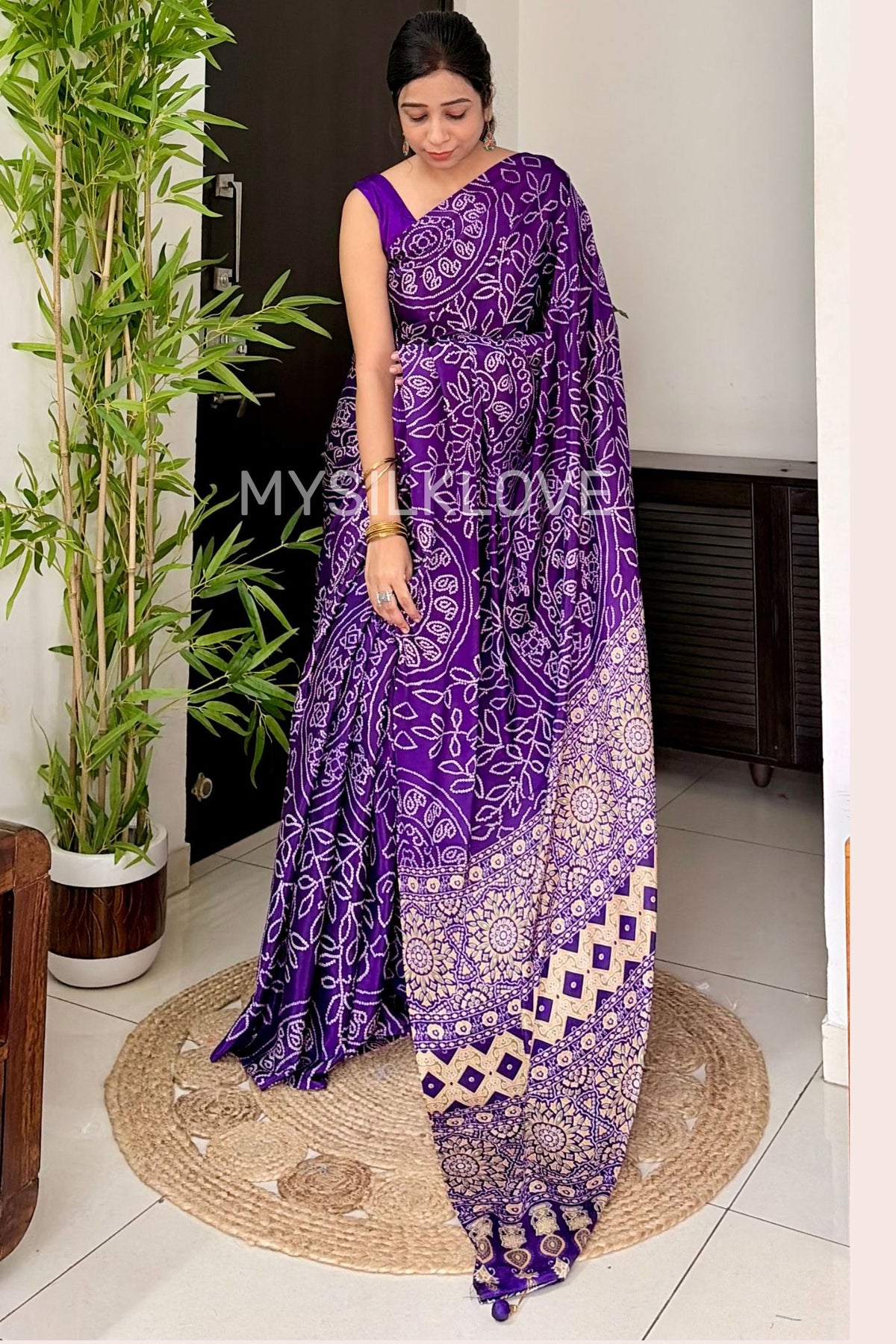
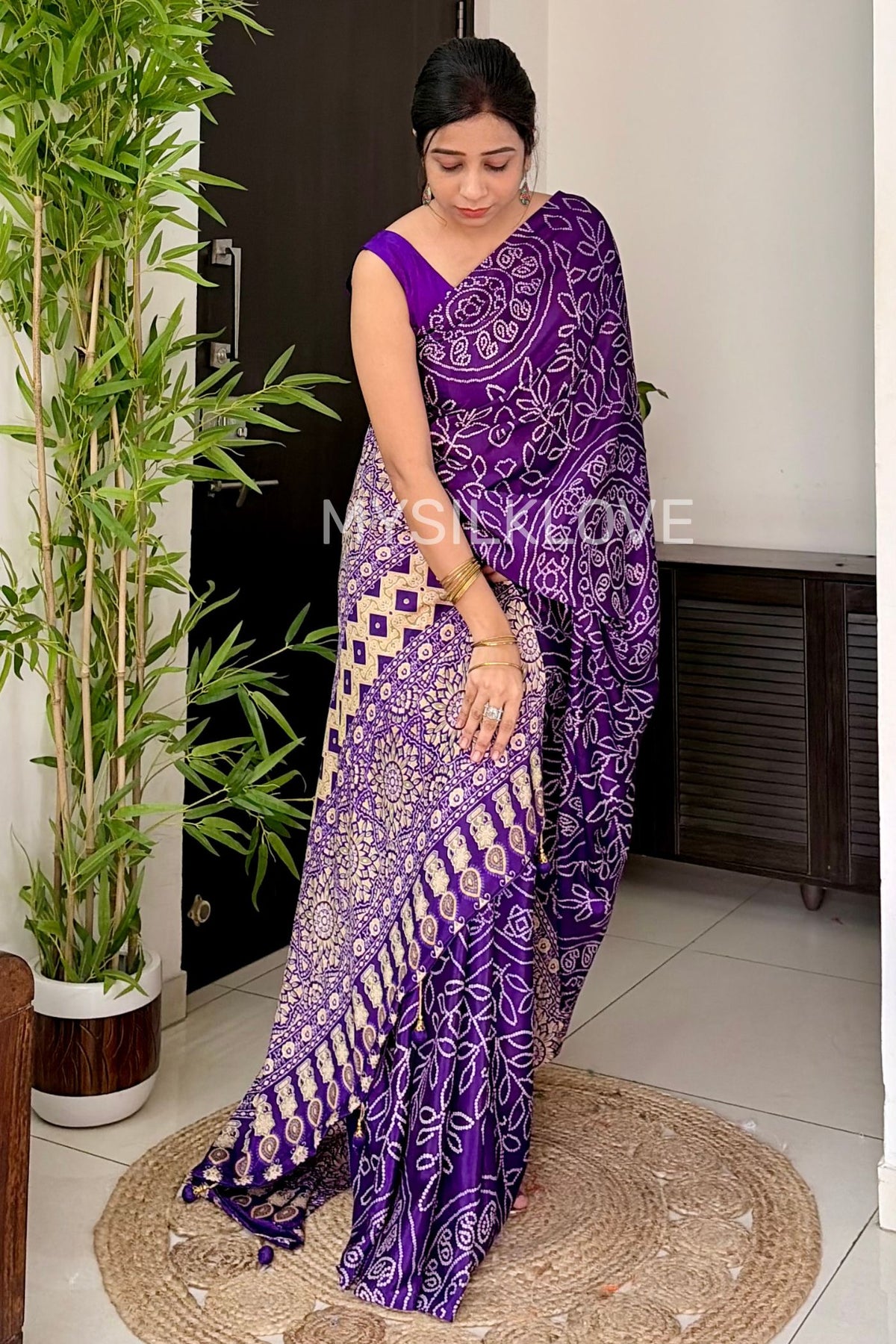
Affair Purple Bandhani Fusion Ajrakh Pallu Mirror Work Saree
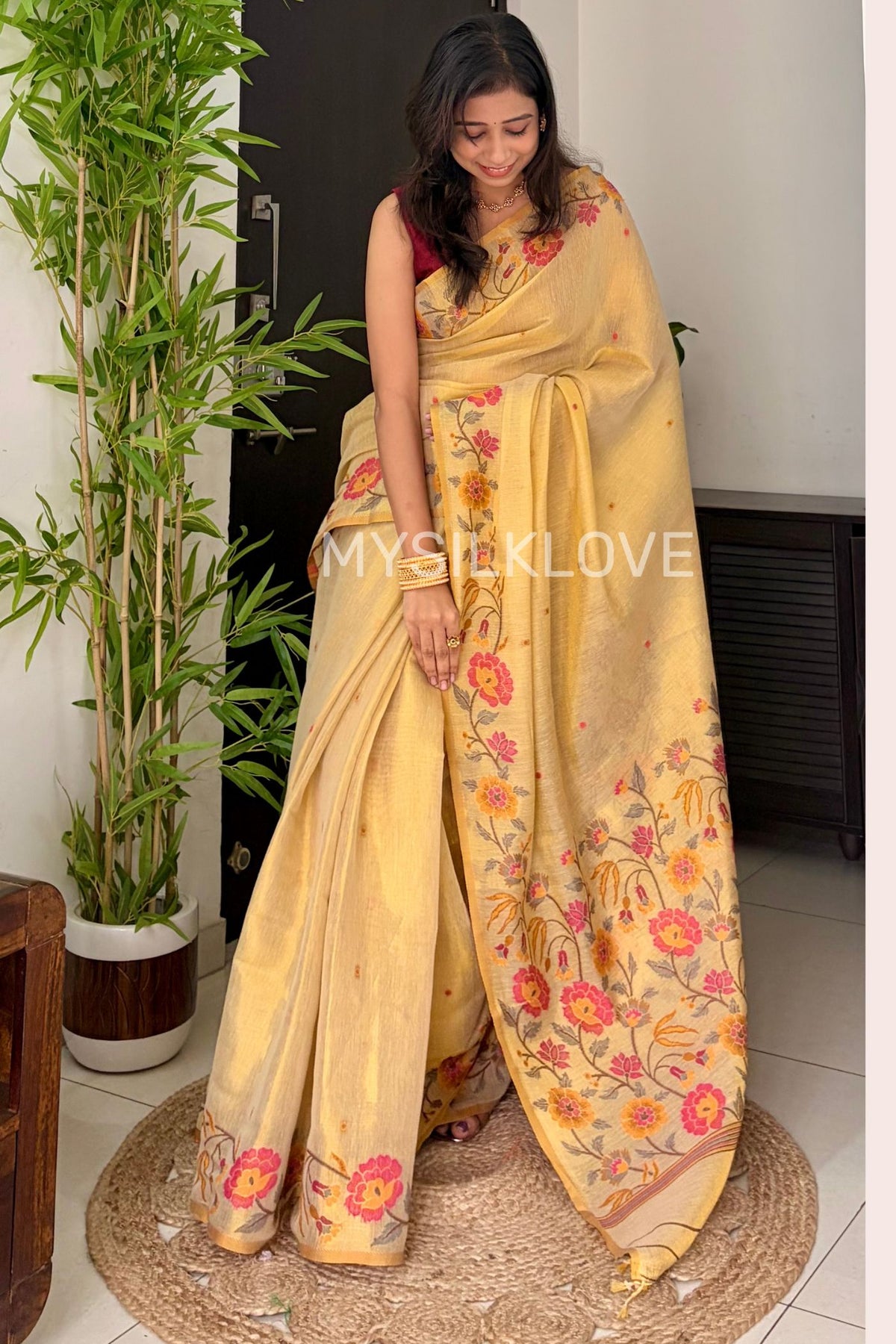
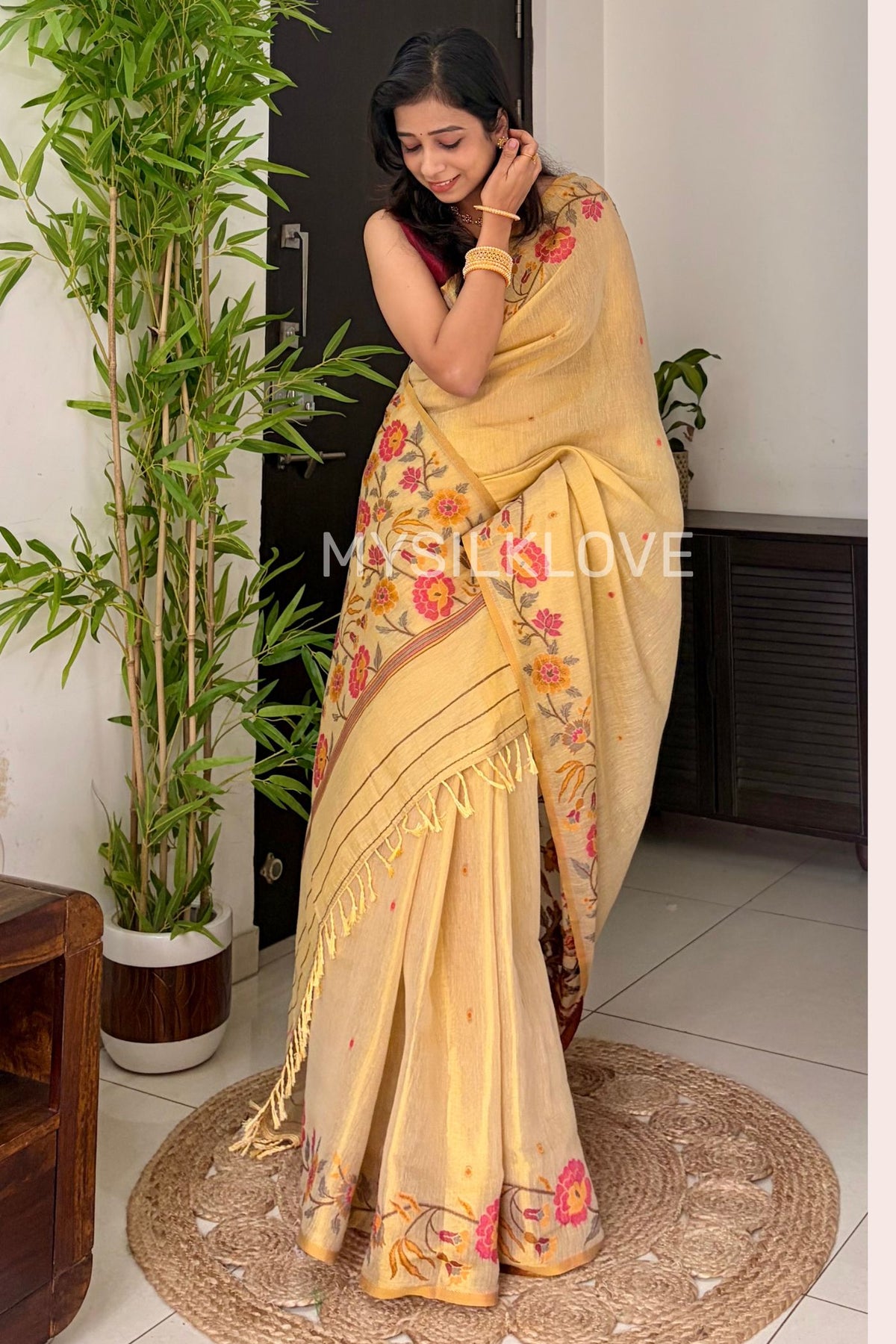
Daisy Cream Woven Floral Tissue Saree
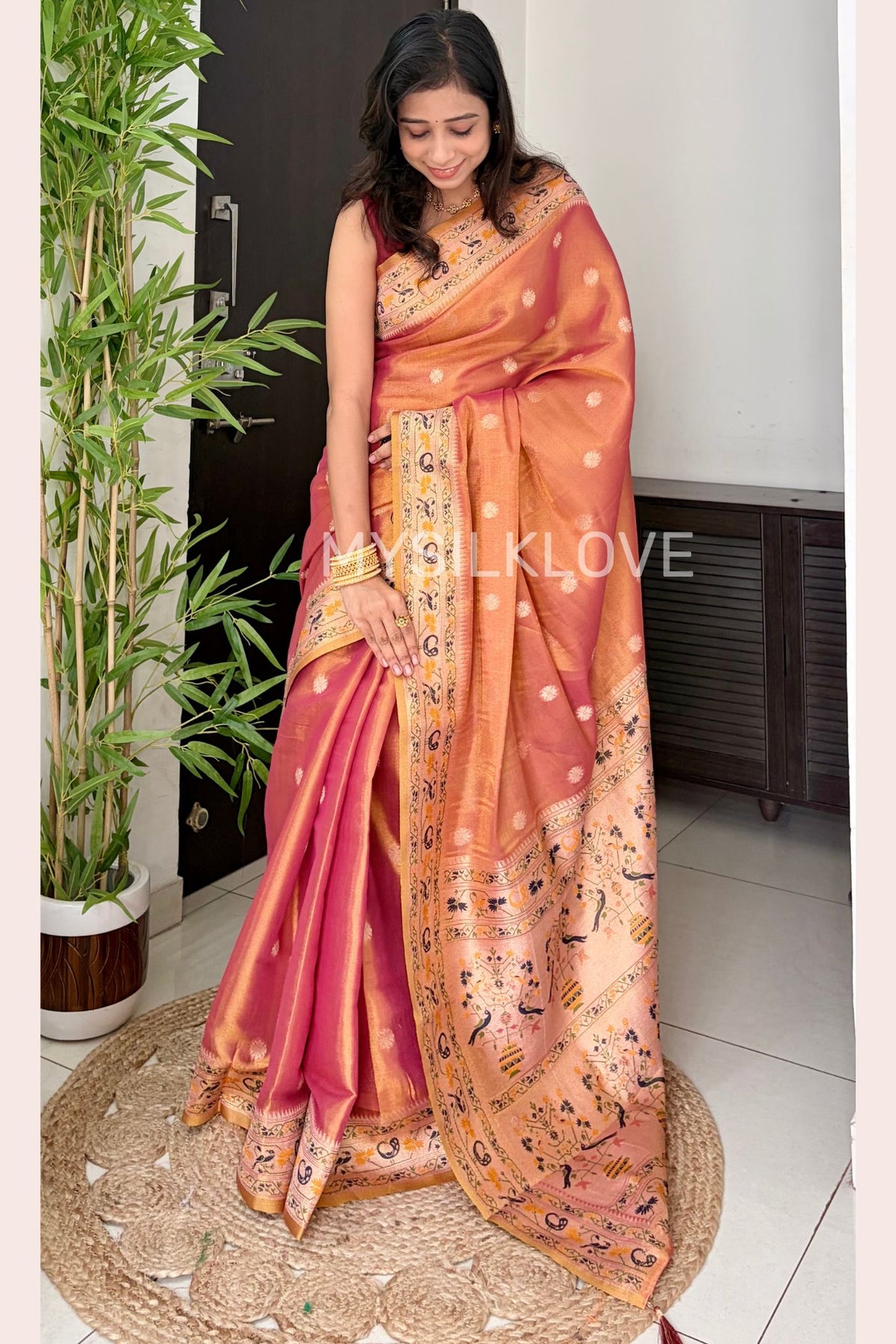
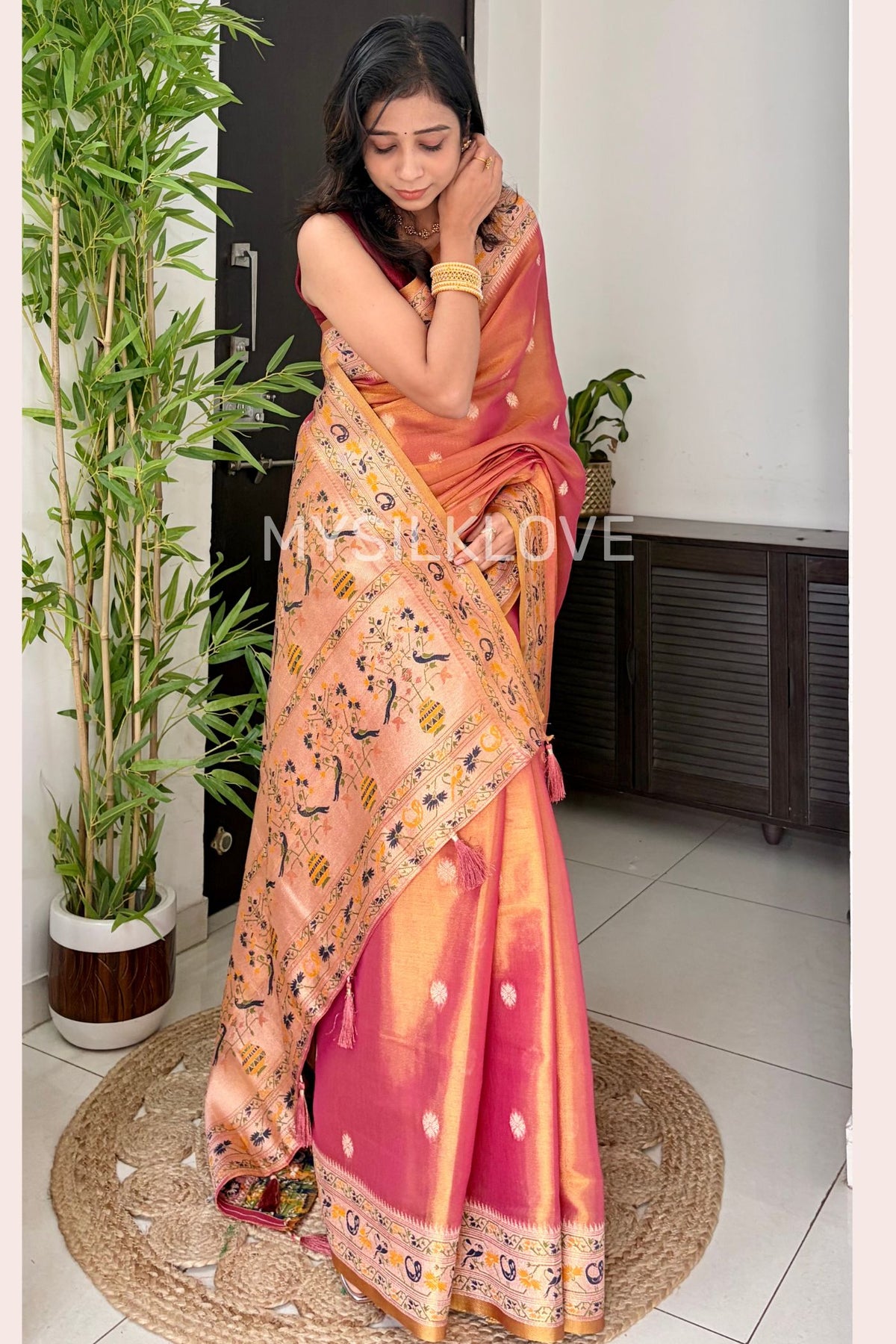
Rust Orange Woven Tissue Paithani Saree
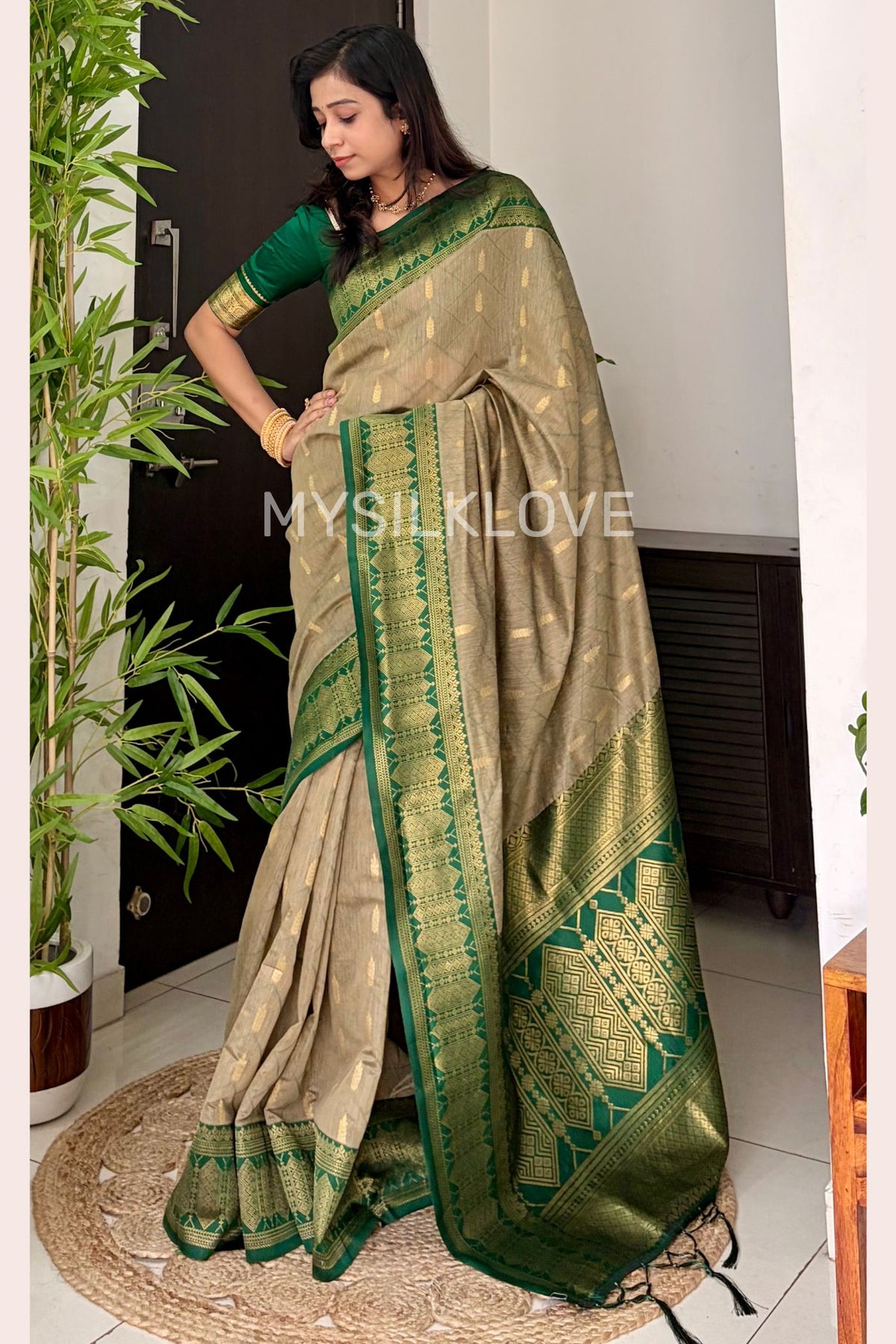
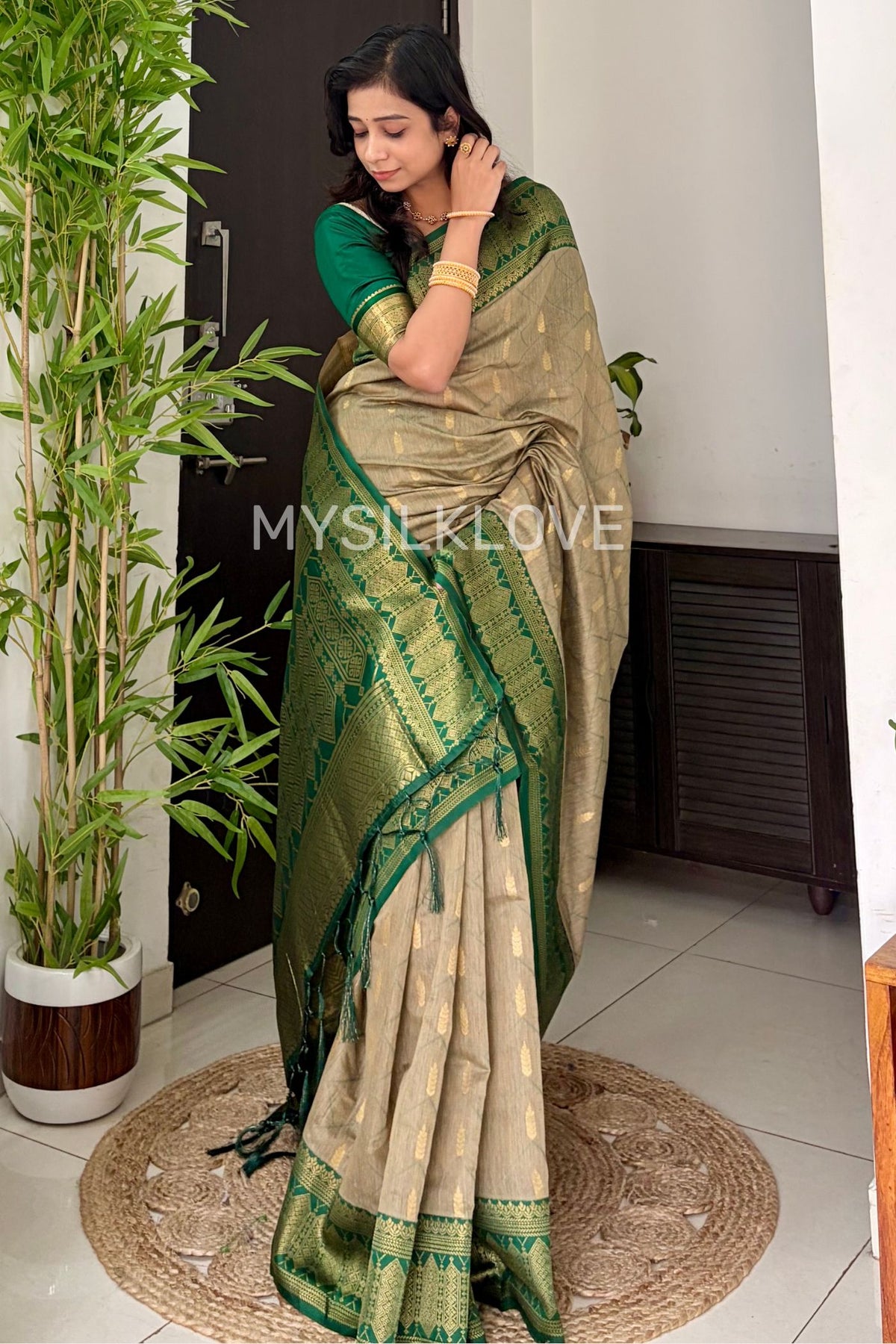
Dust Cream and Green Woven Banarasi Cotton Saree
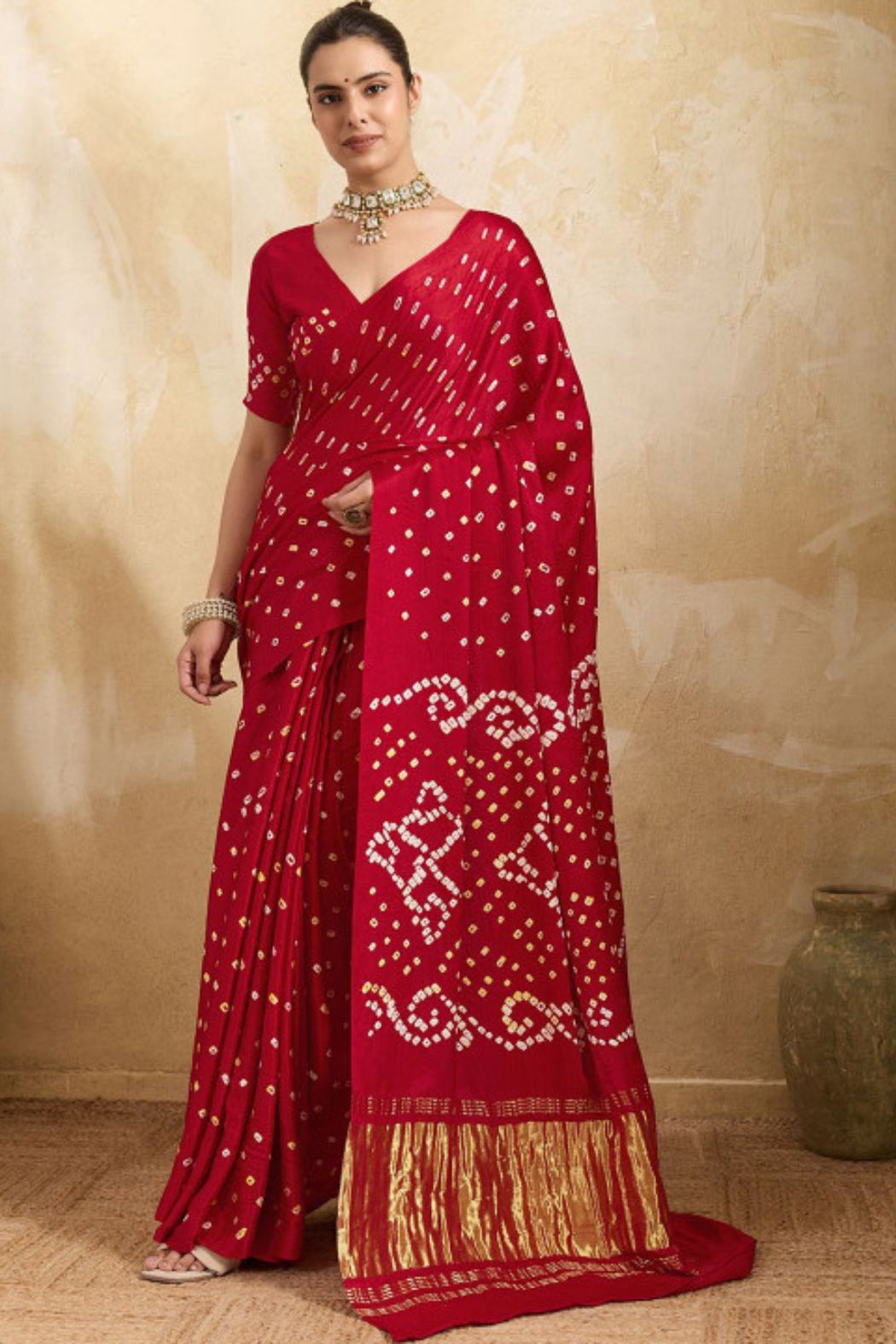
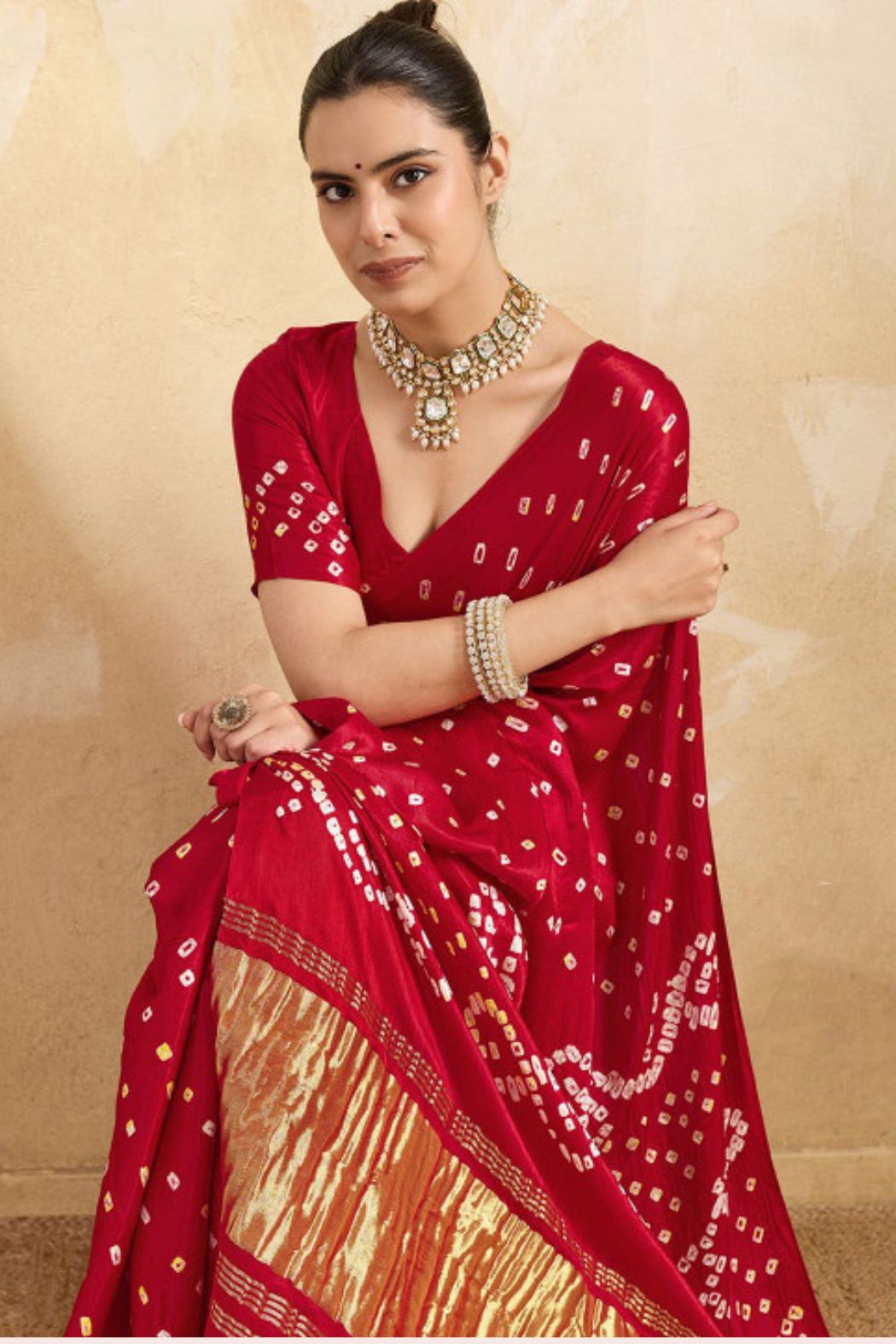
Mahogany Red Pure Bandhani Gajji Silk Saree with Lagdi Pallu
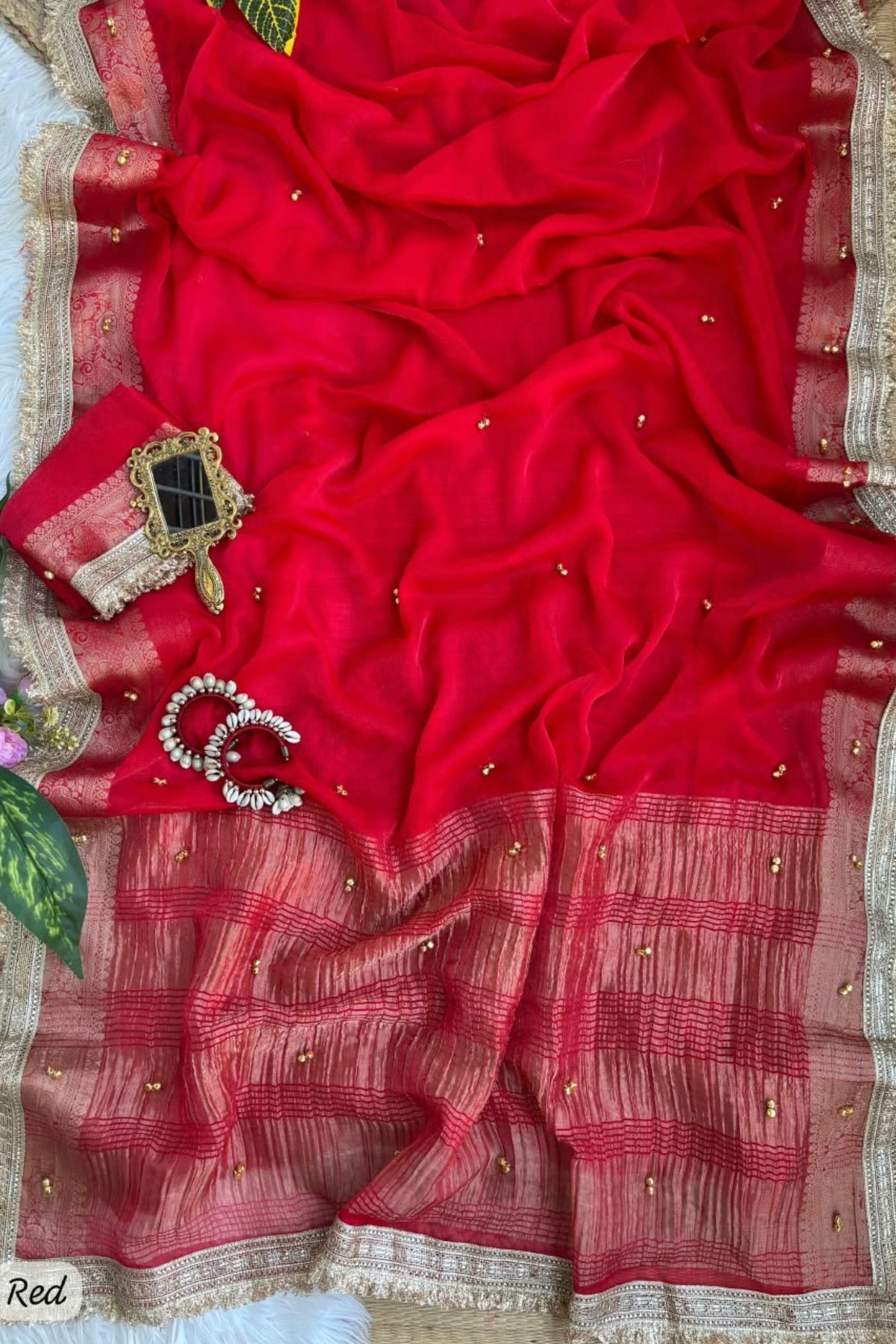
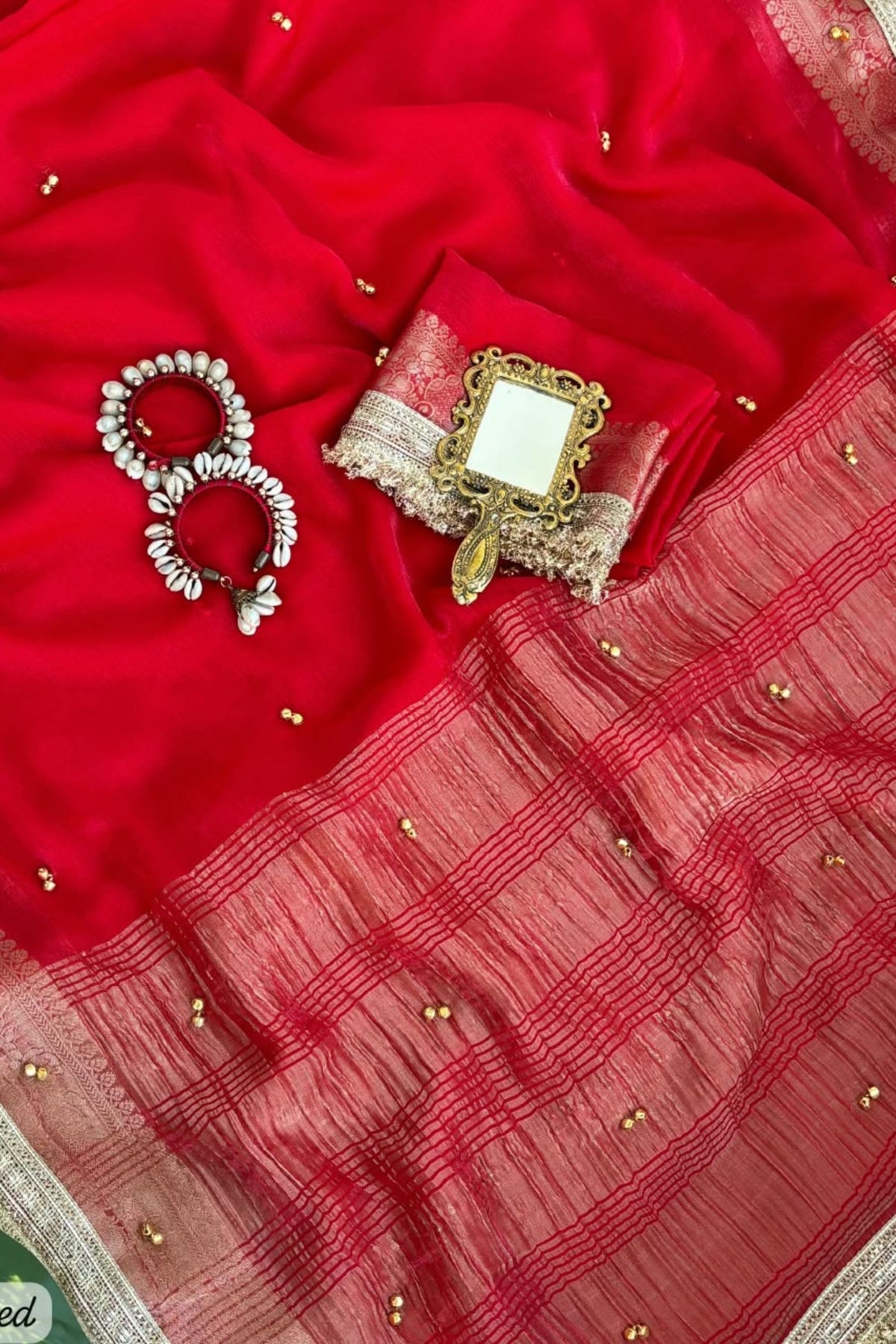
Wine Red Pure Soft Fendy Chiffon Saree With Fancy Lace Border

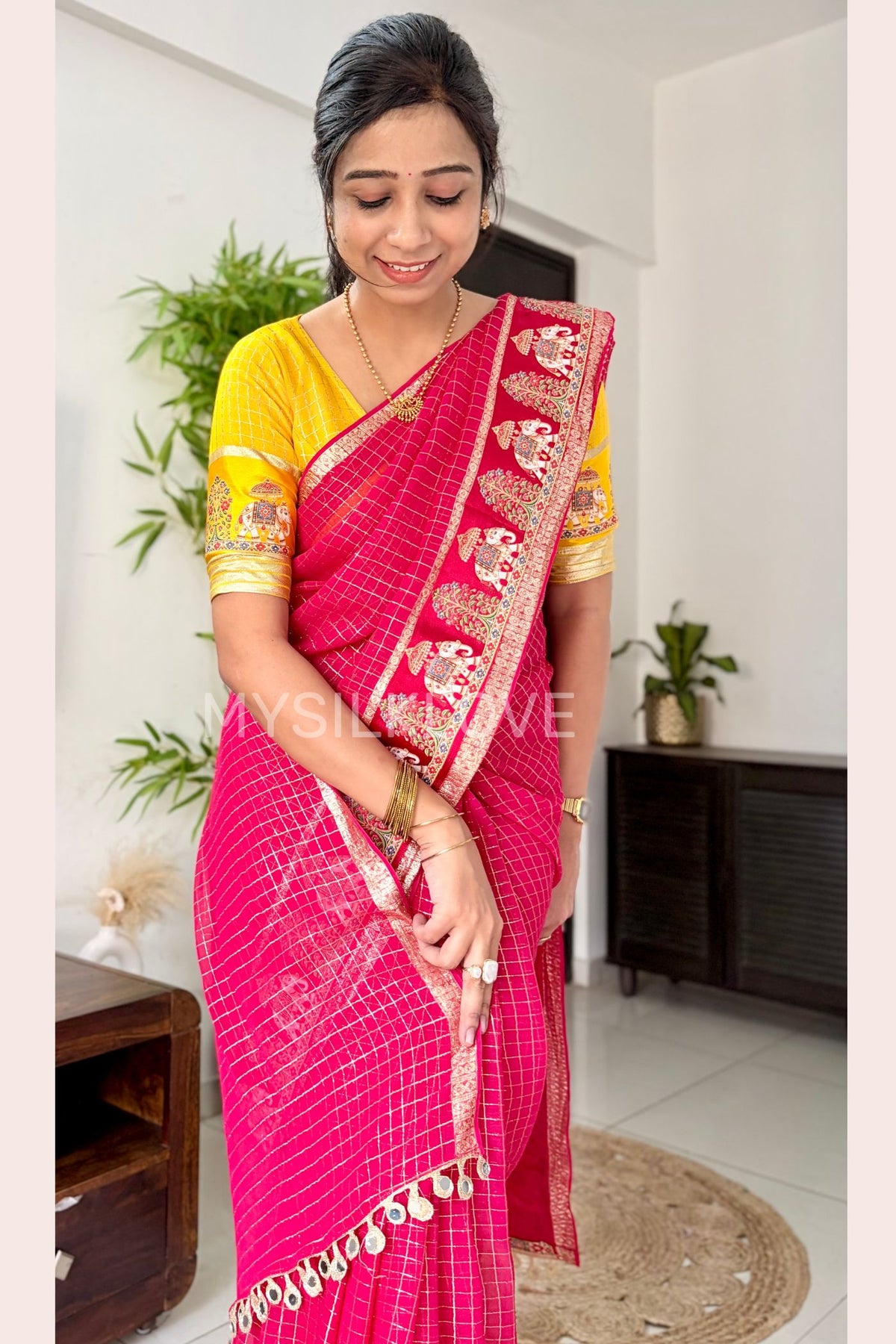
Pink Lotus Georgette Check Pattern Designer Saree With Contrast Blouse
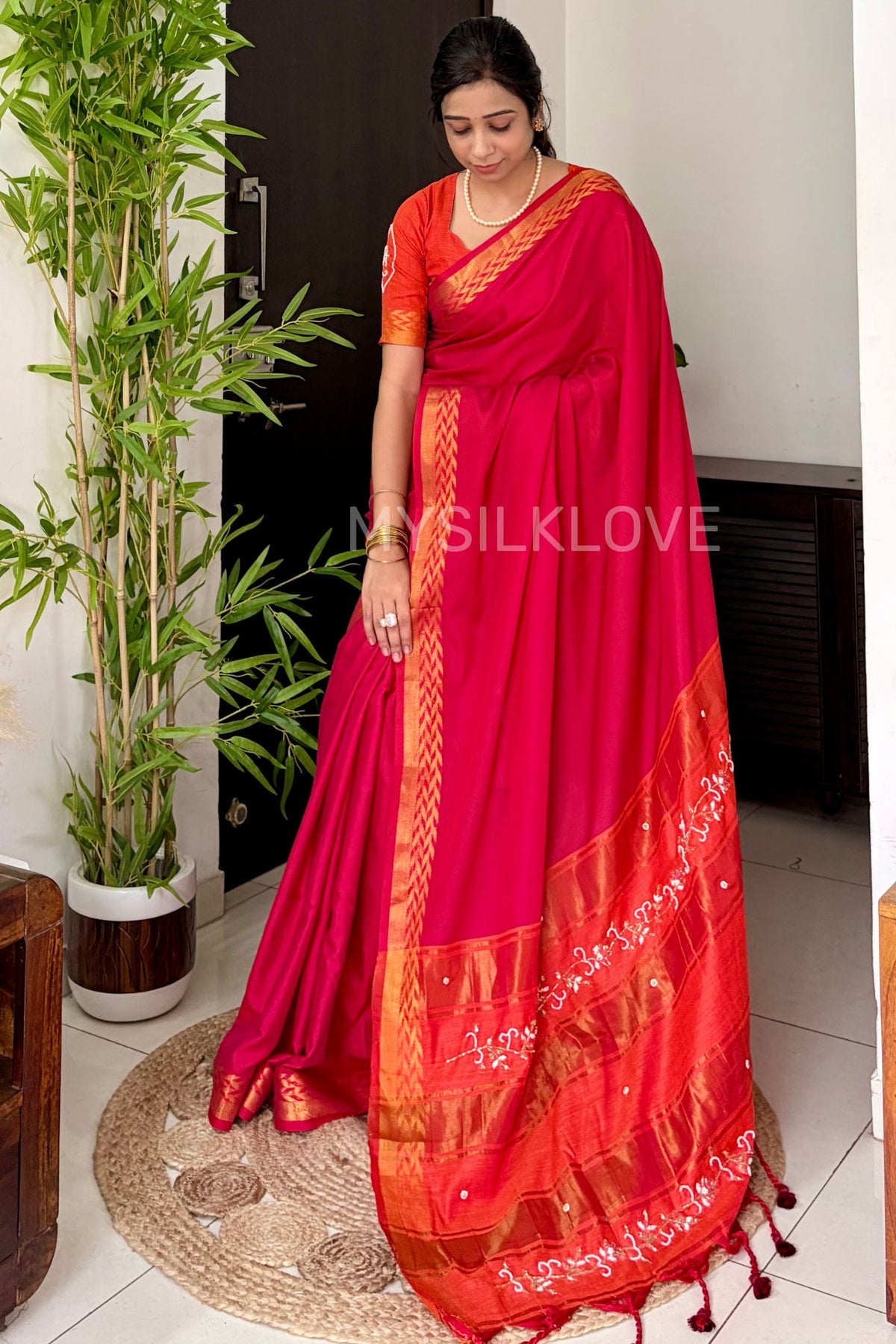
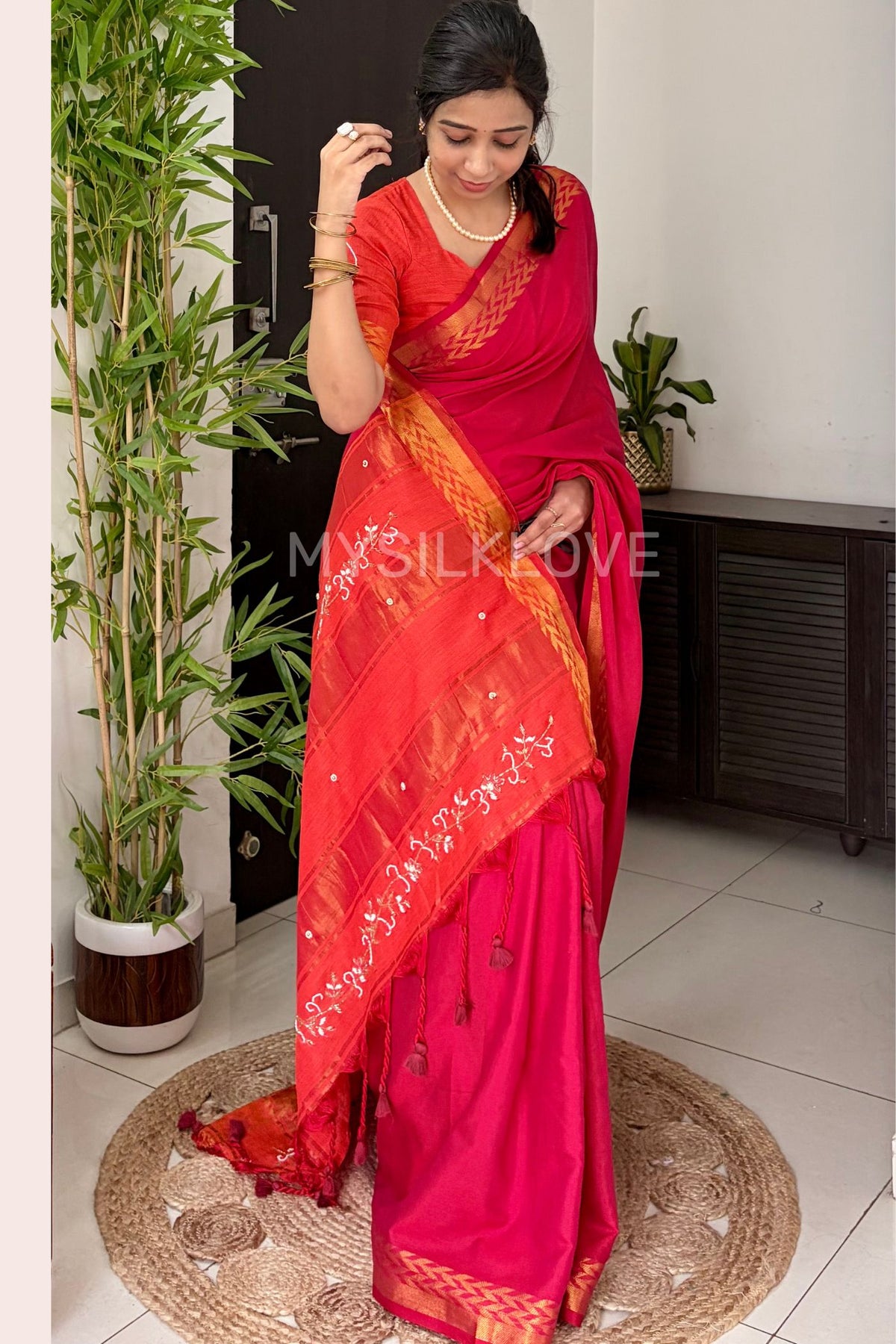
Sangria Red Zari Woven Silk Cotton Saree with Embroidery Work Pallu and Blouse
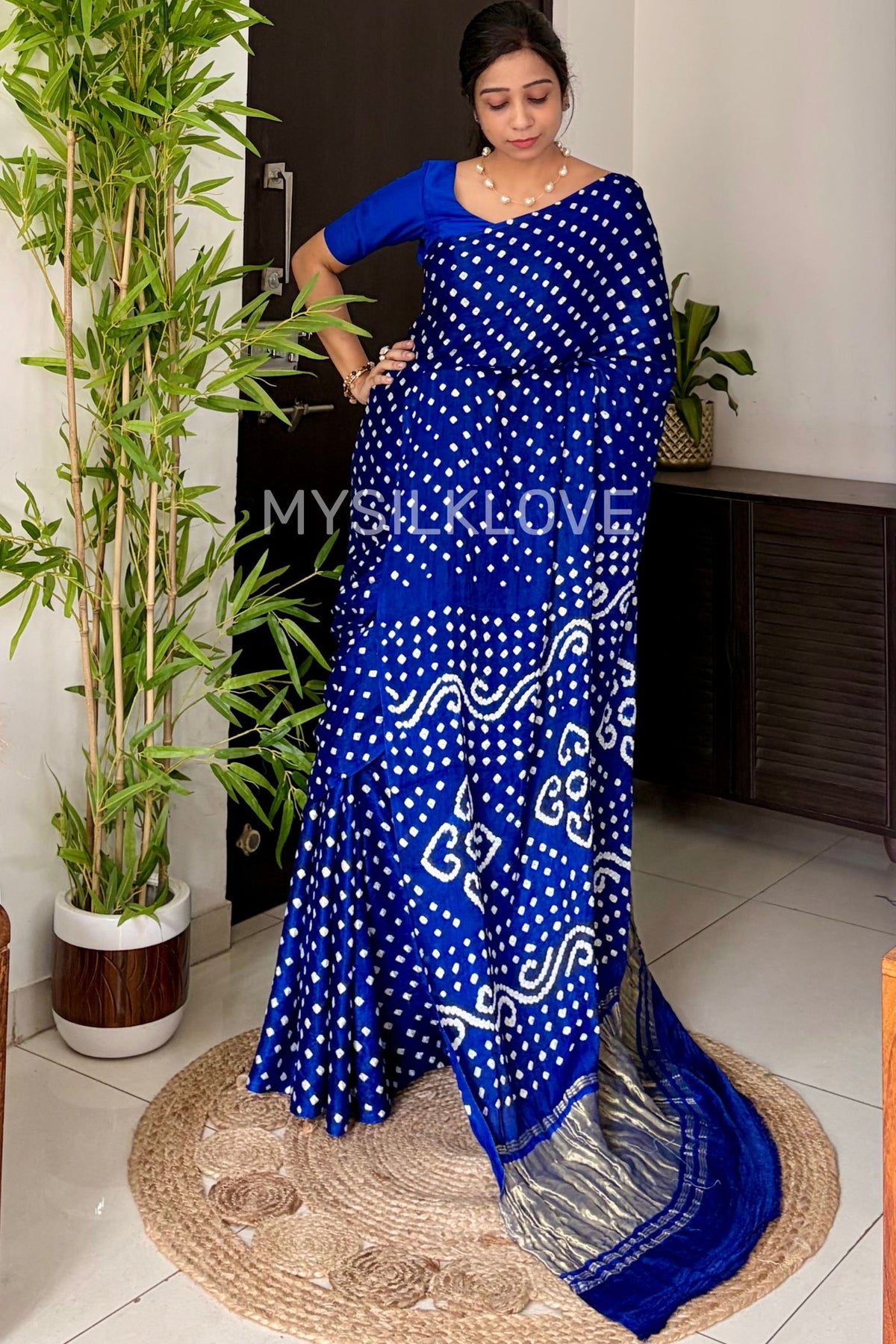
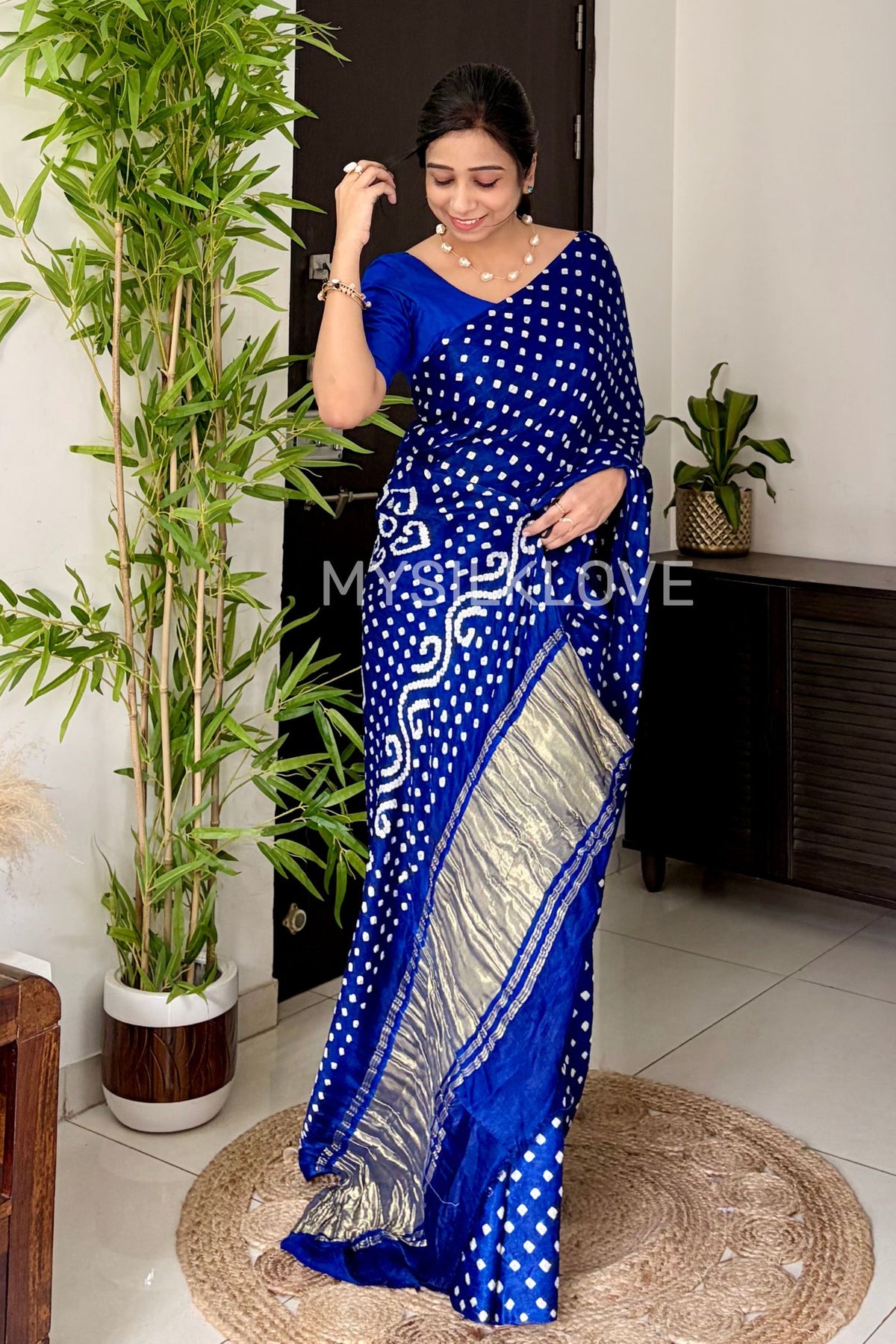
Alice Blue Pure Bandhani Gajji Silk Saree with Lagdi Pallu

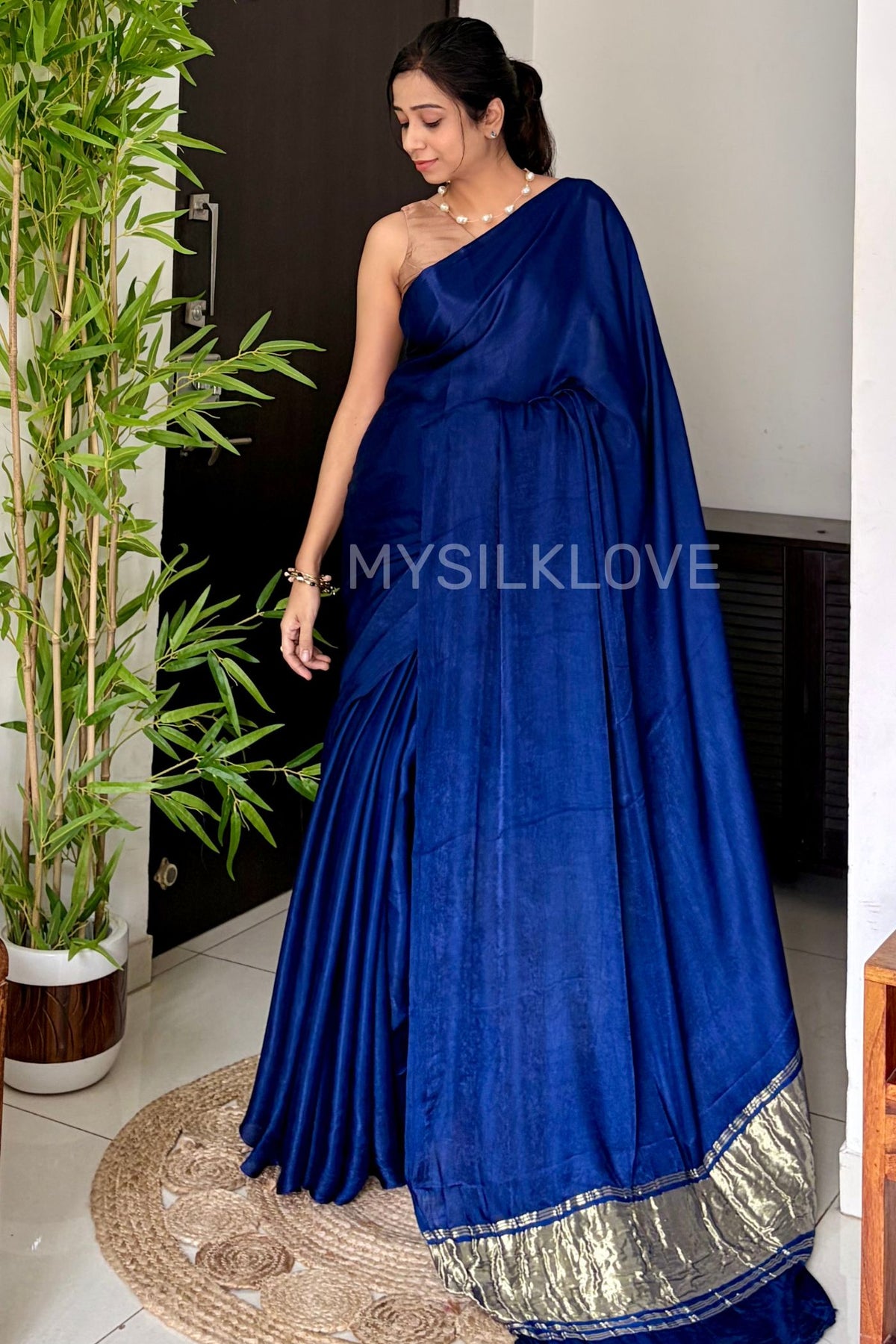
Royal Blue Modal Pure Gajji Silk Saree with Lagdi Zari Pallu Saree
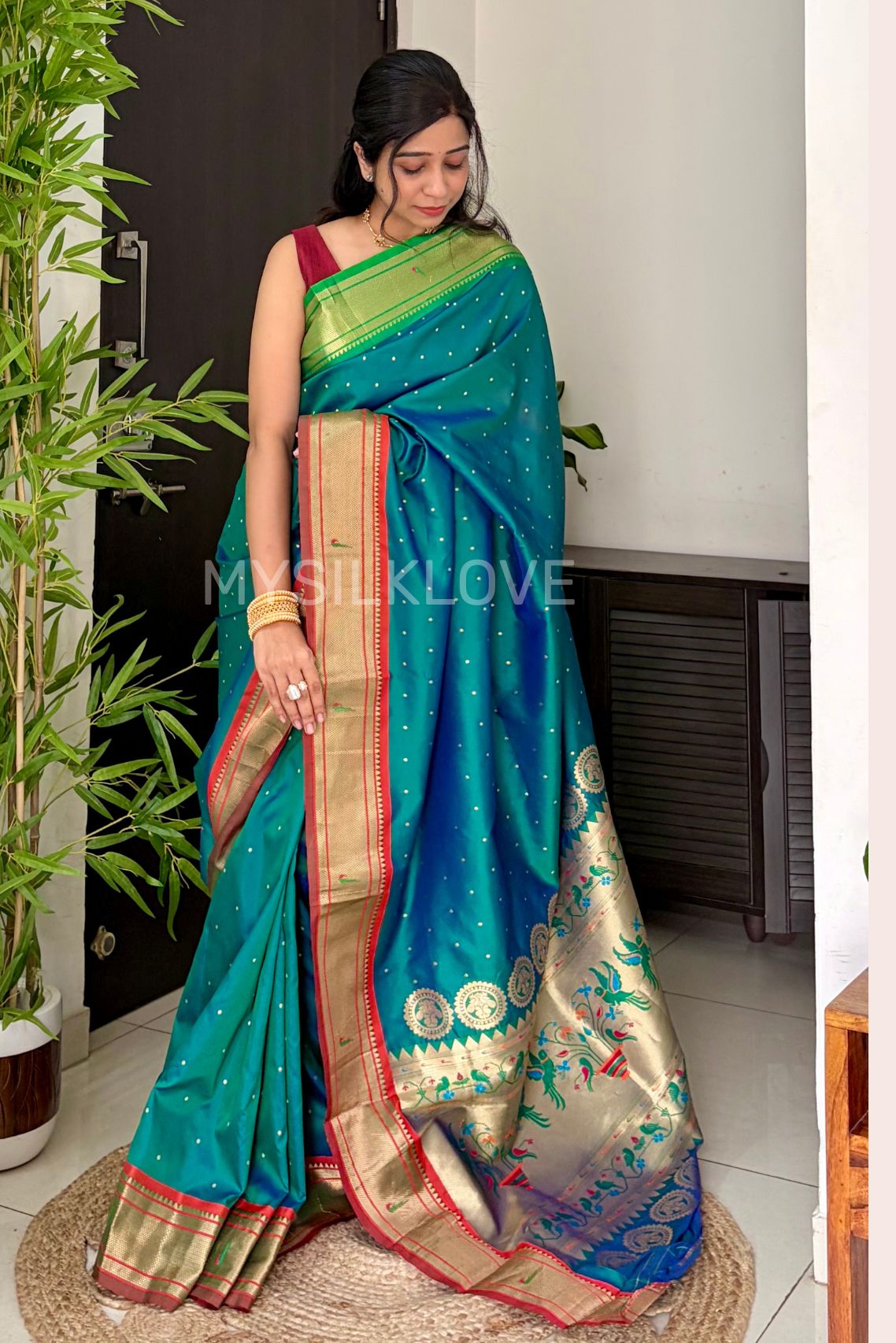
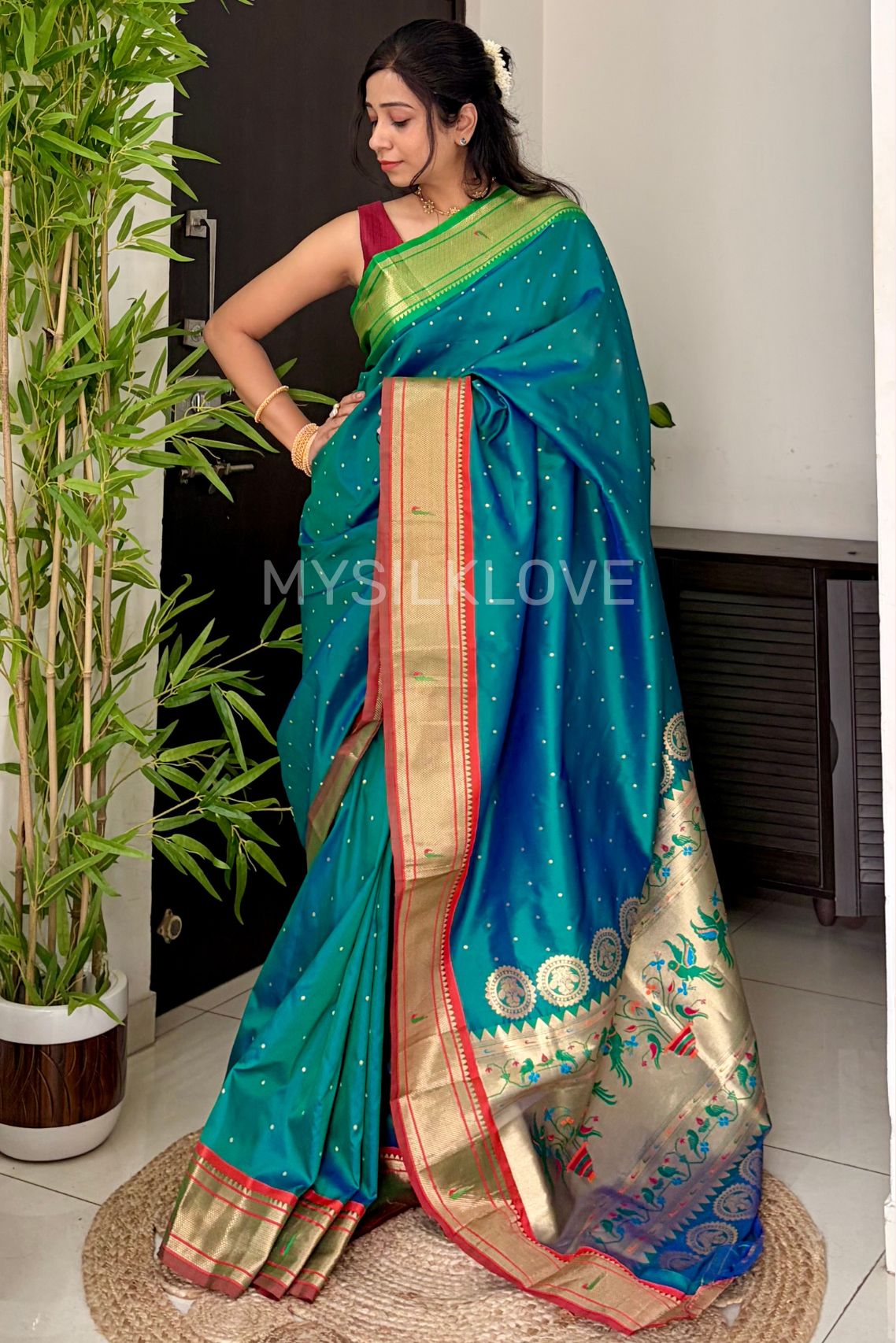
Peacock Green Woven Paithani Saree
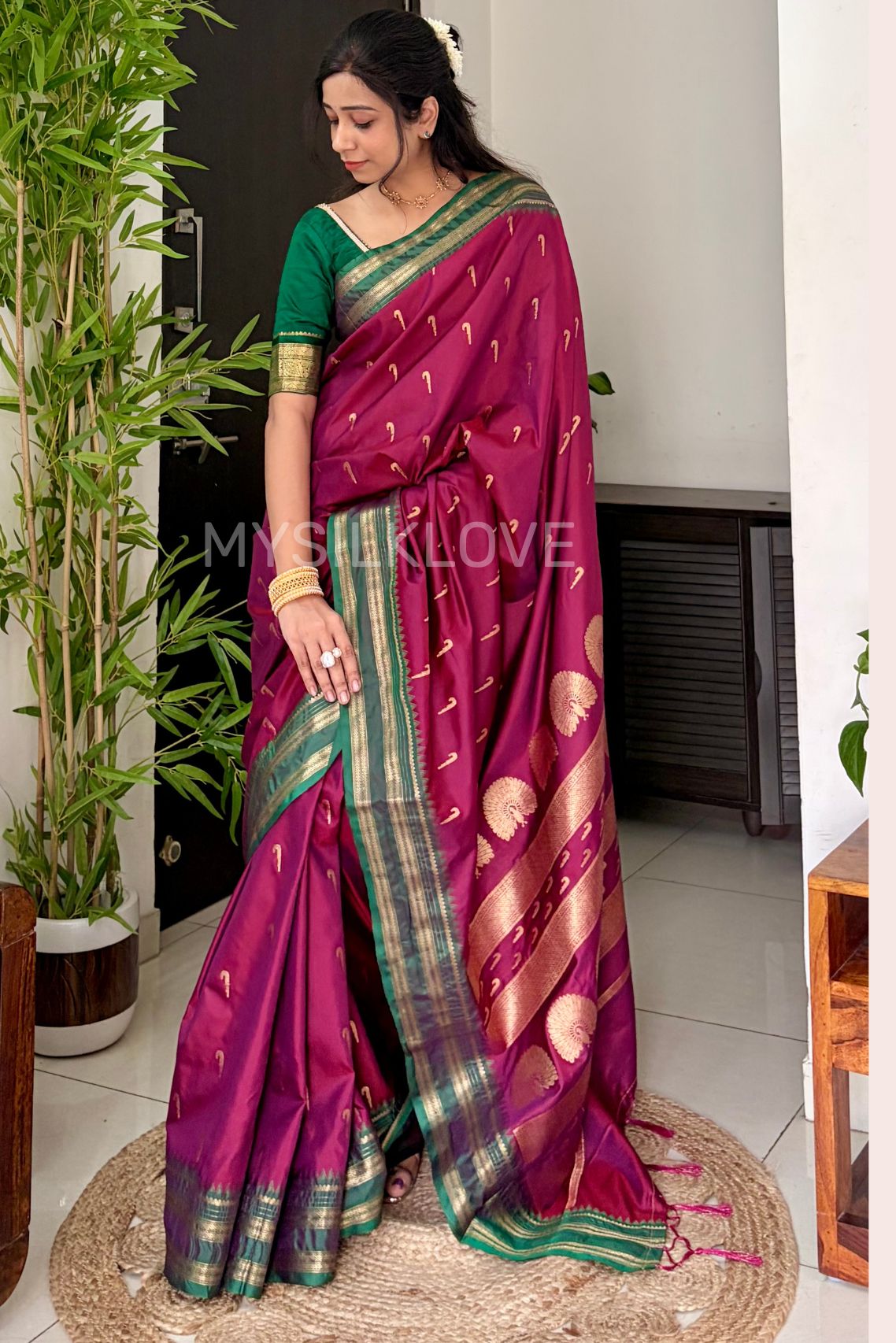
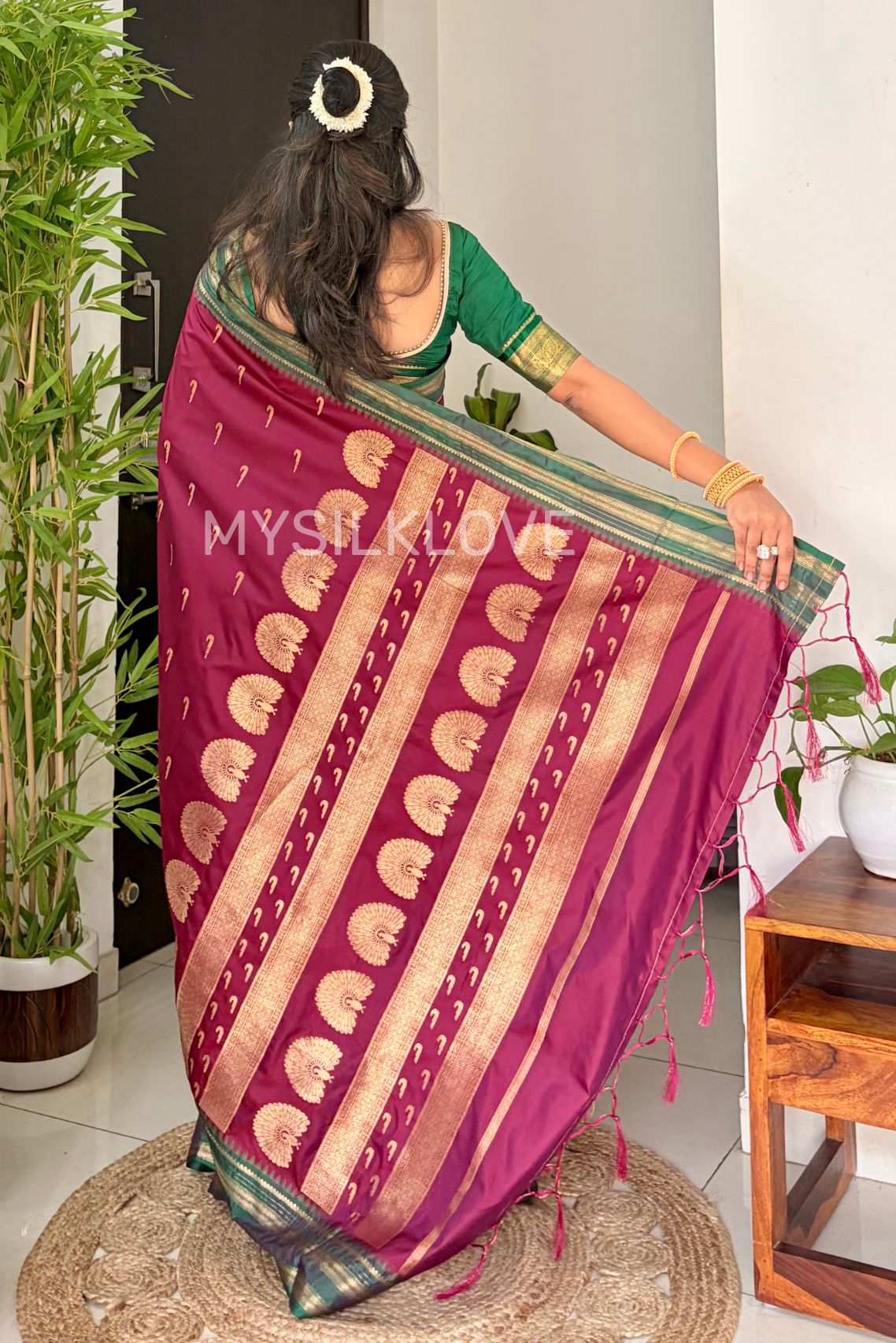
Preiwinkle Purple Banarasi Woven Soft Silk Saree
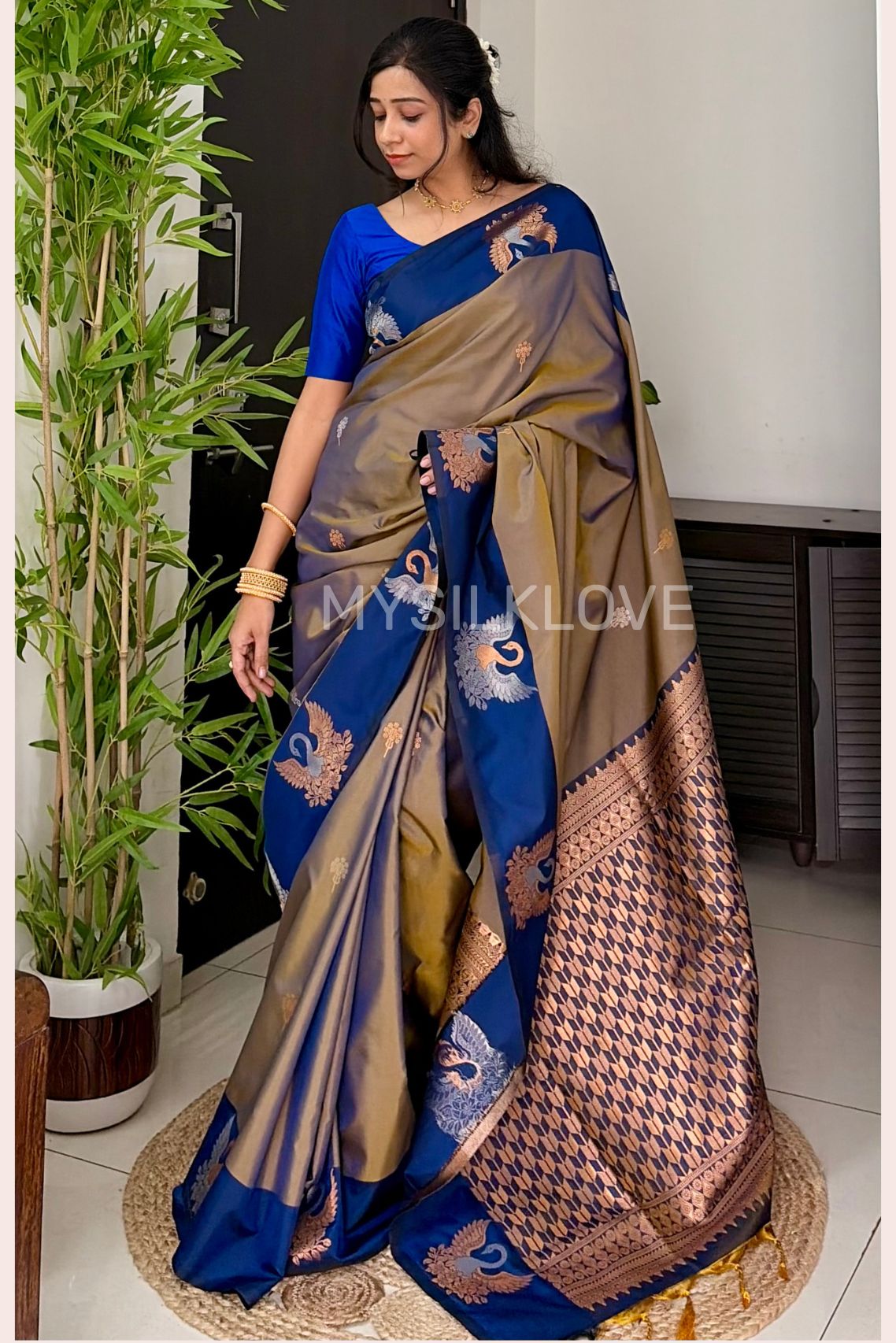
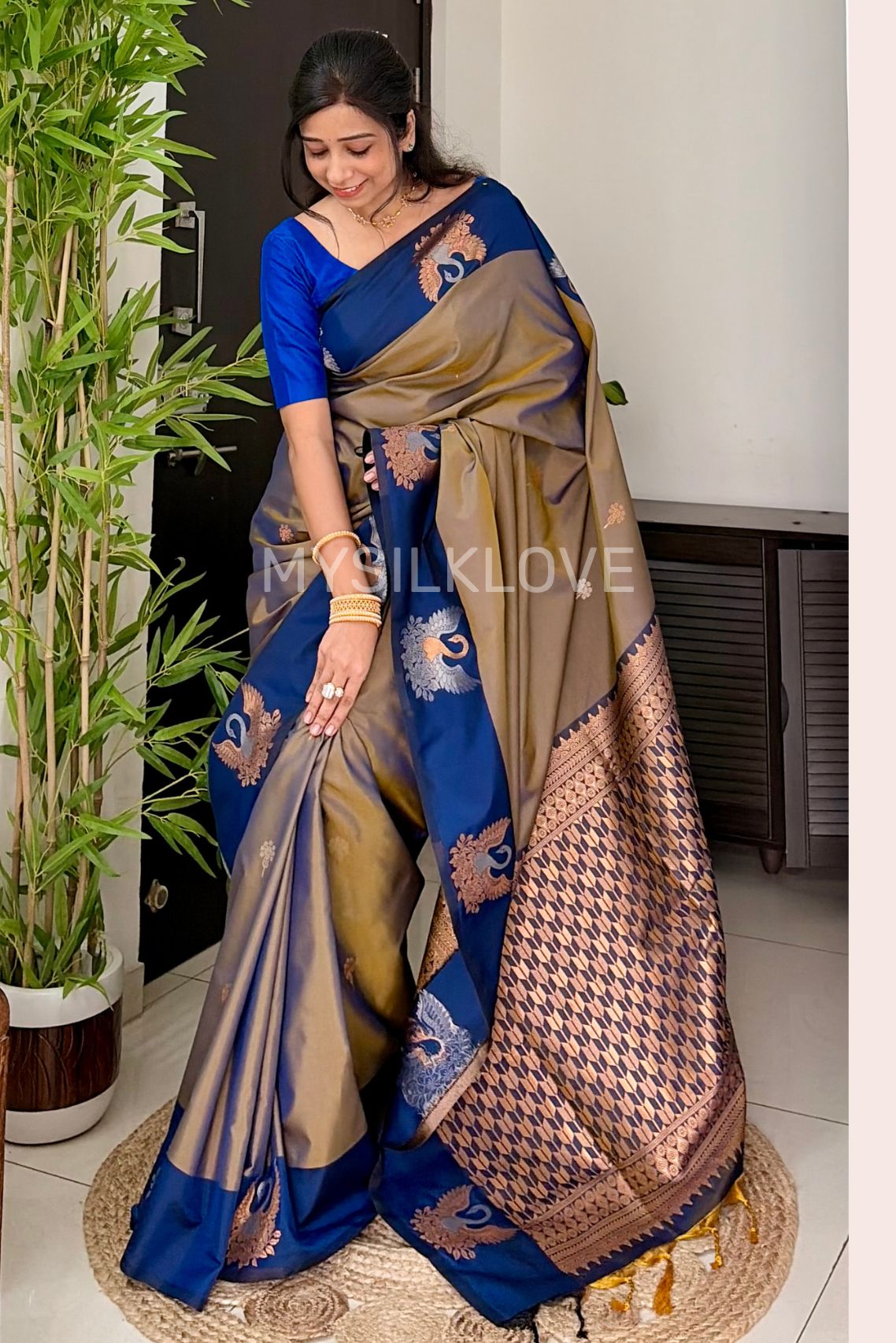
Graphite Grey Banarasi Handloom Soft Silk Saree
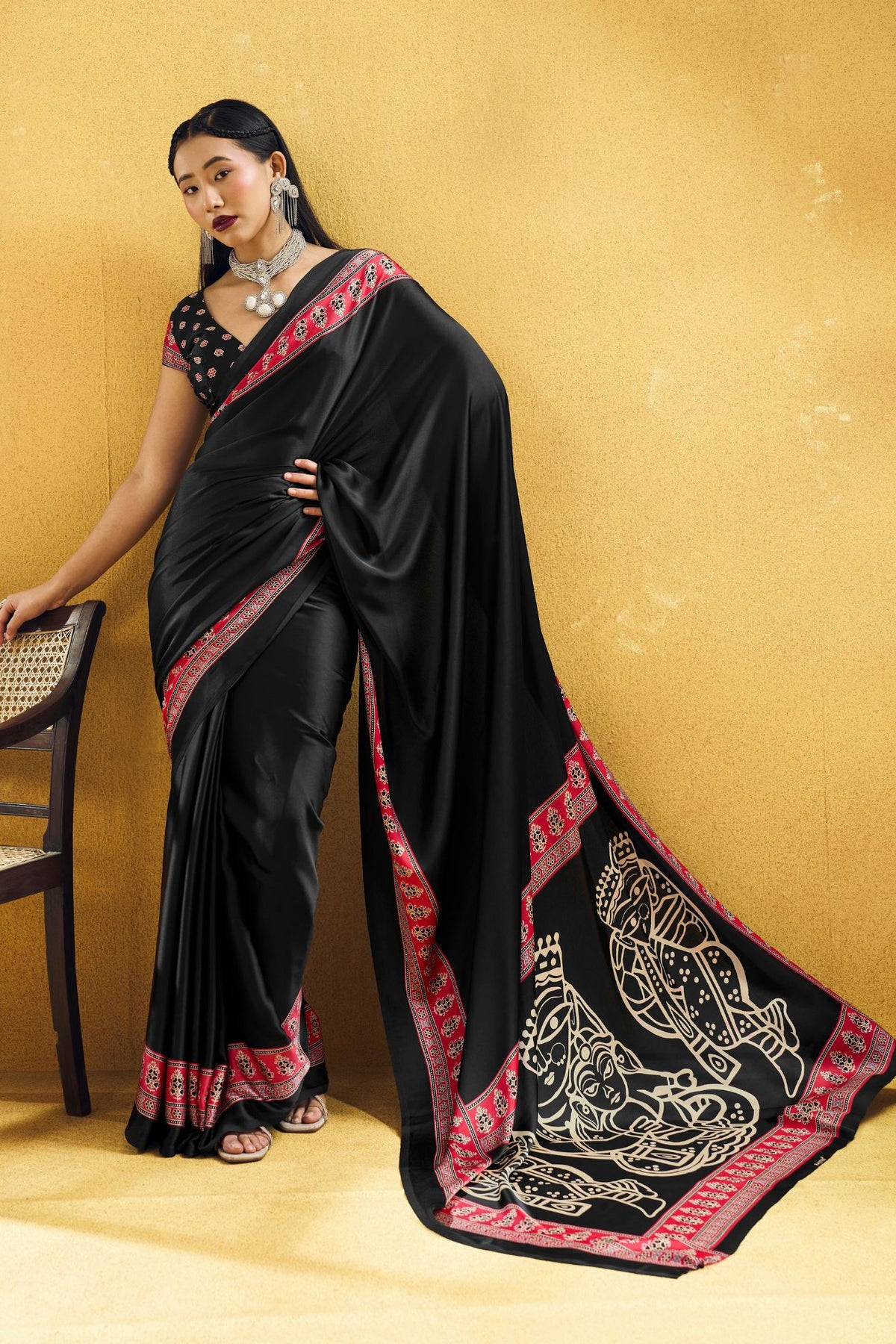
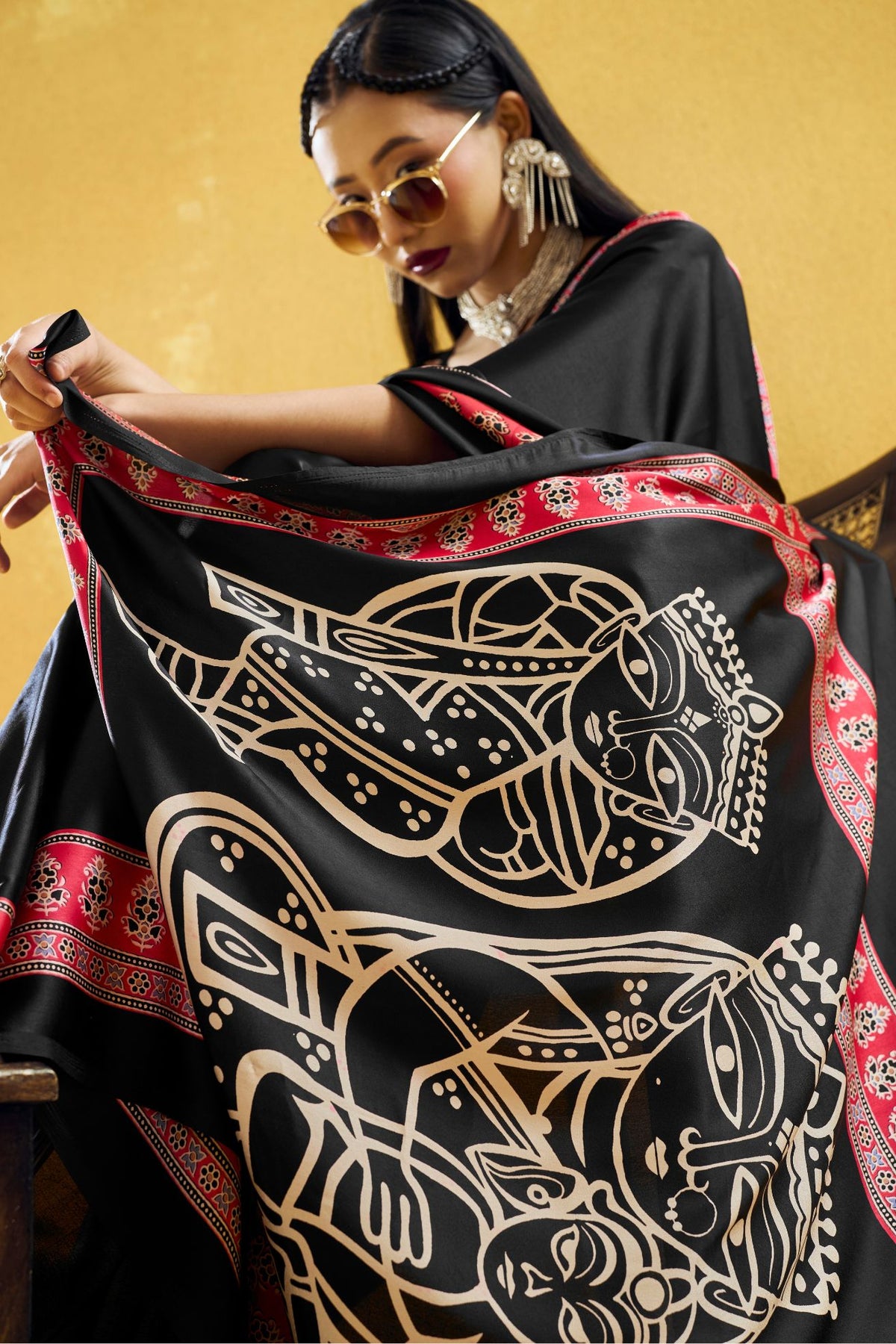
Onyx Black Modal Ajrakh Satin Printed Silk Saree
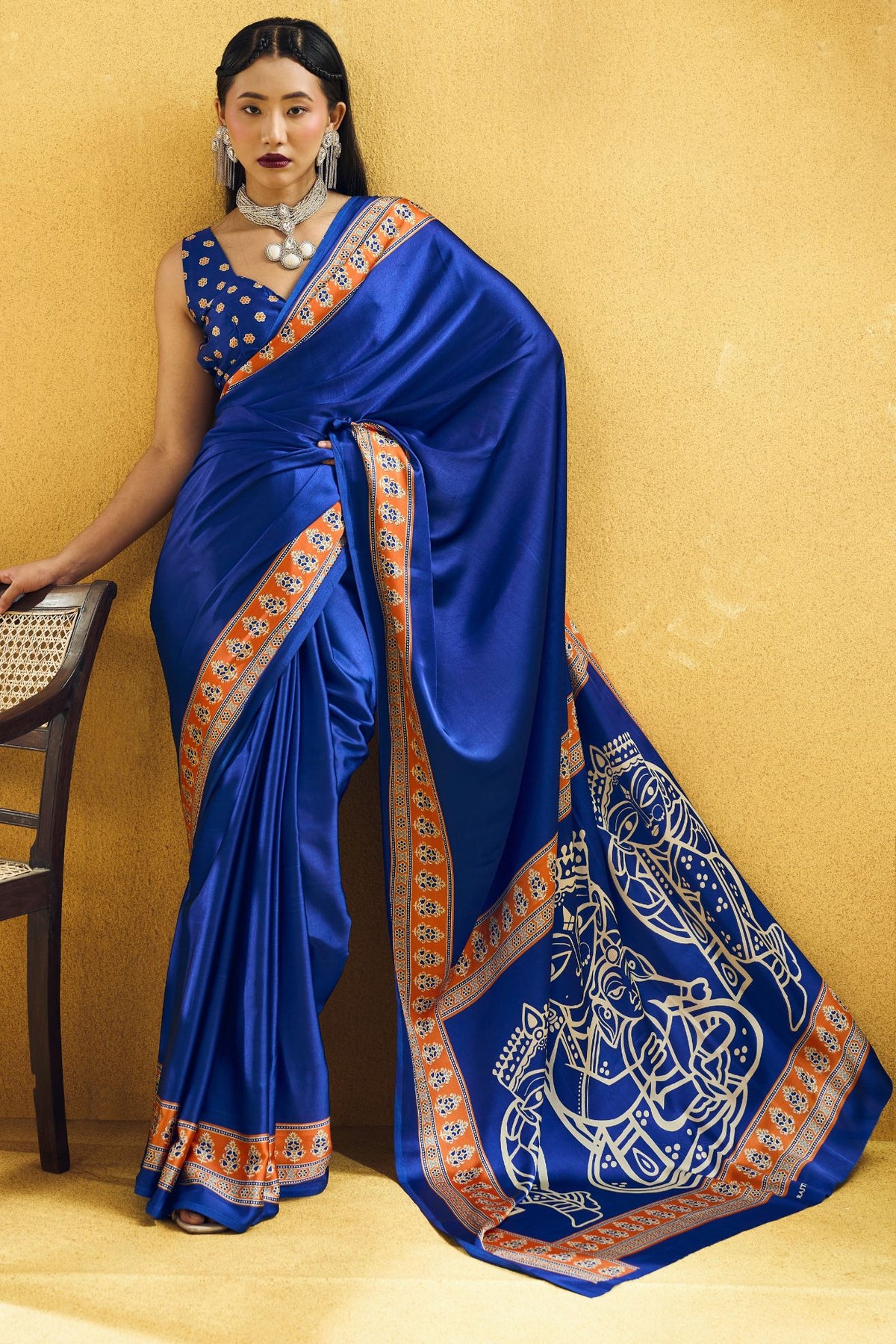
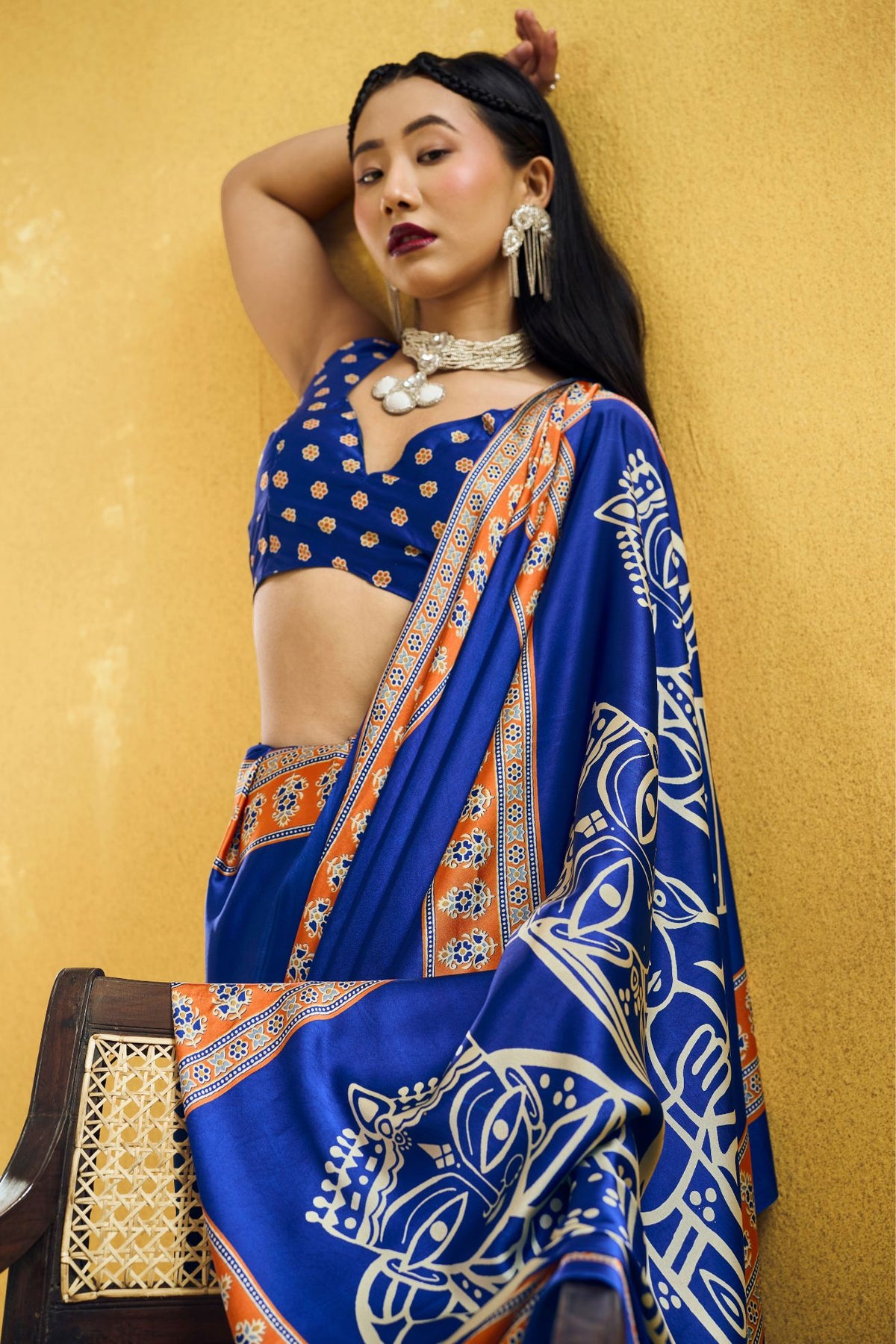
Royal Blue Modal Ajrakh Satin Printed Silk Saree
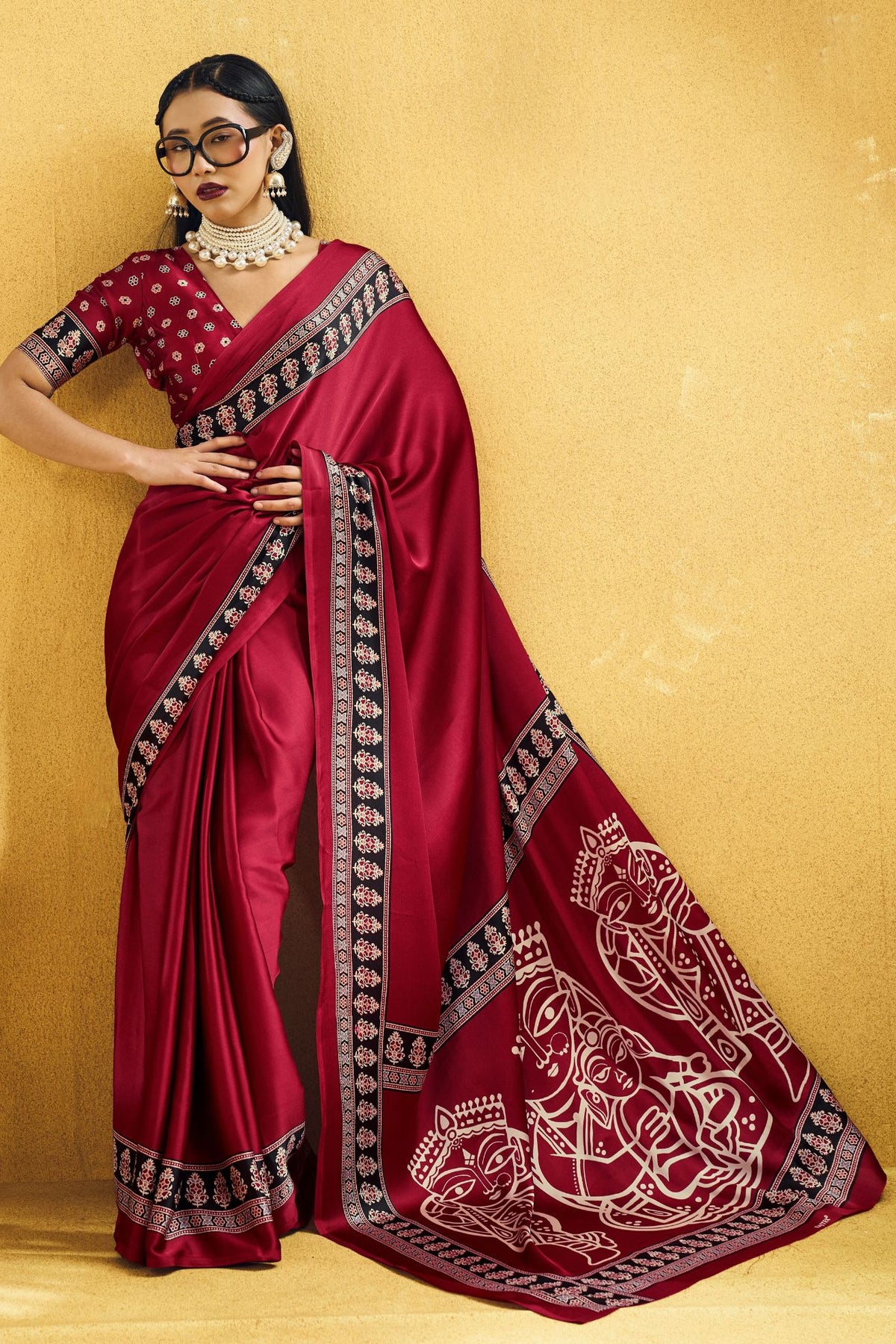
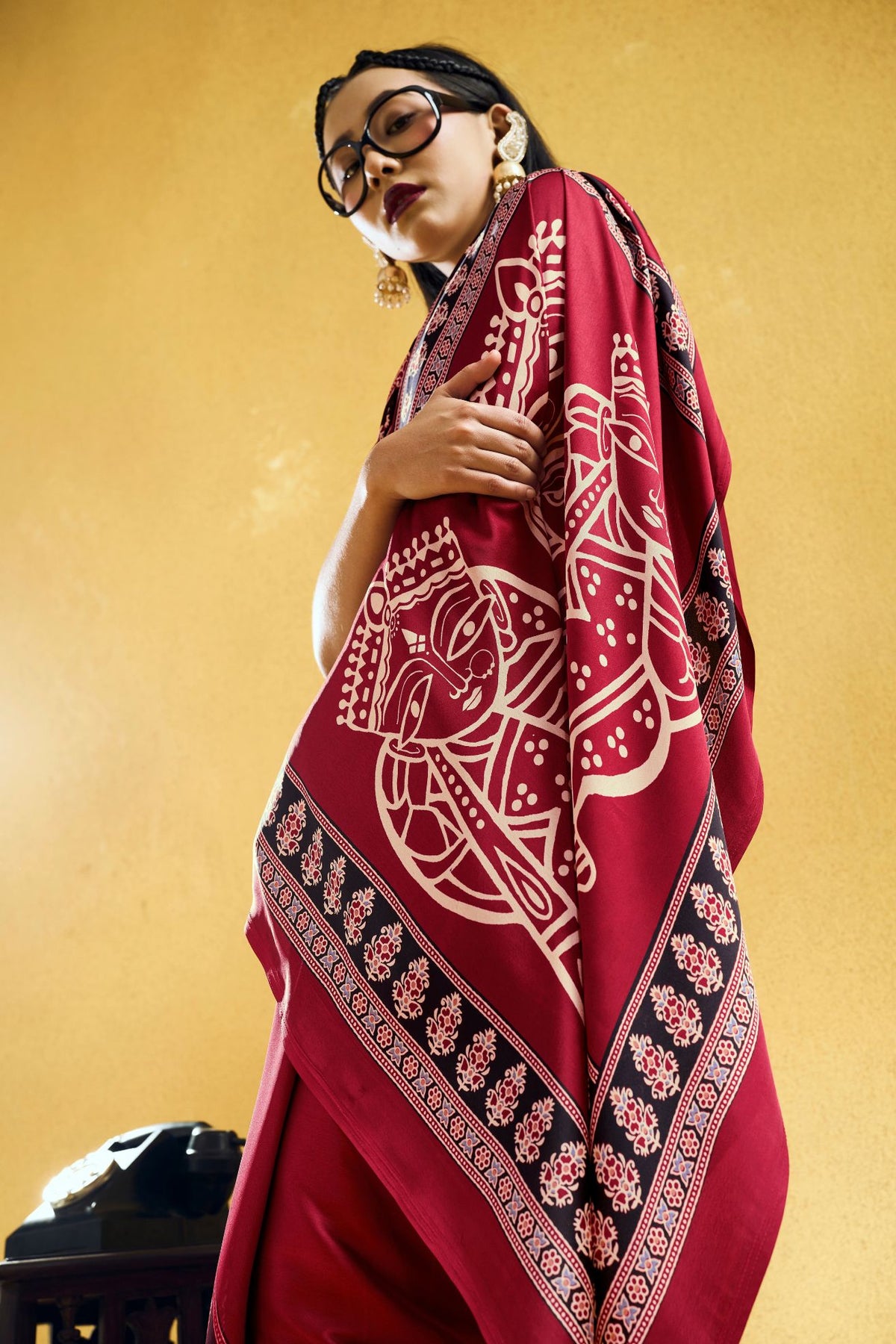
Ruby Red Modal Ajrakh Satin Printed Silk Saree
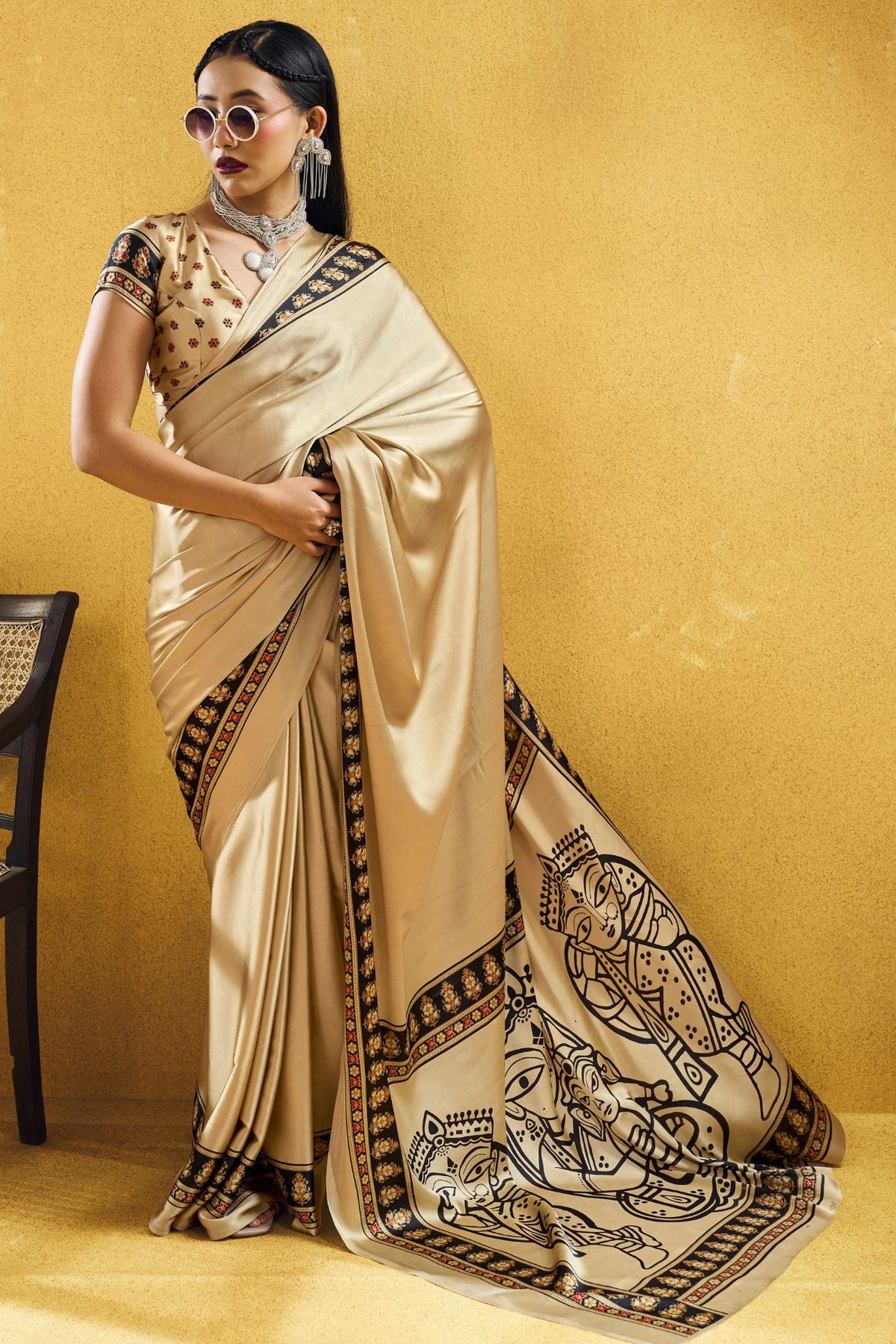
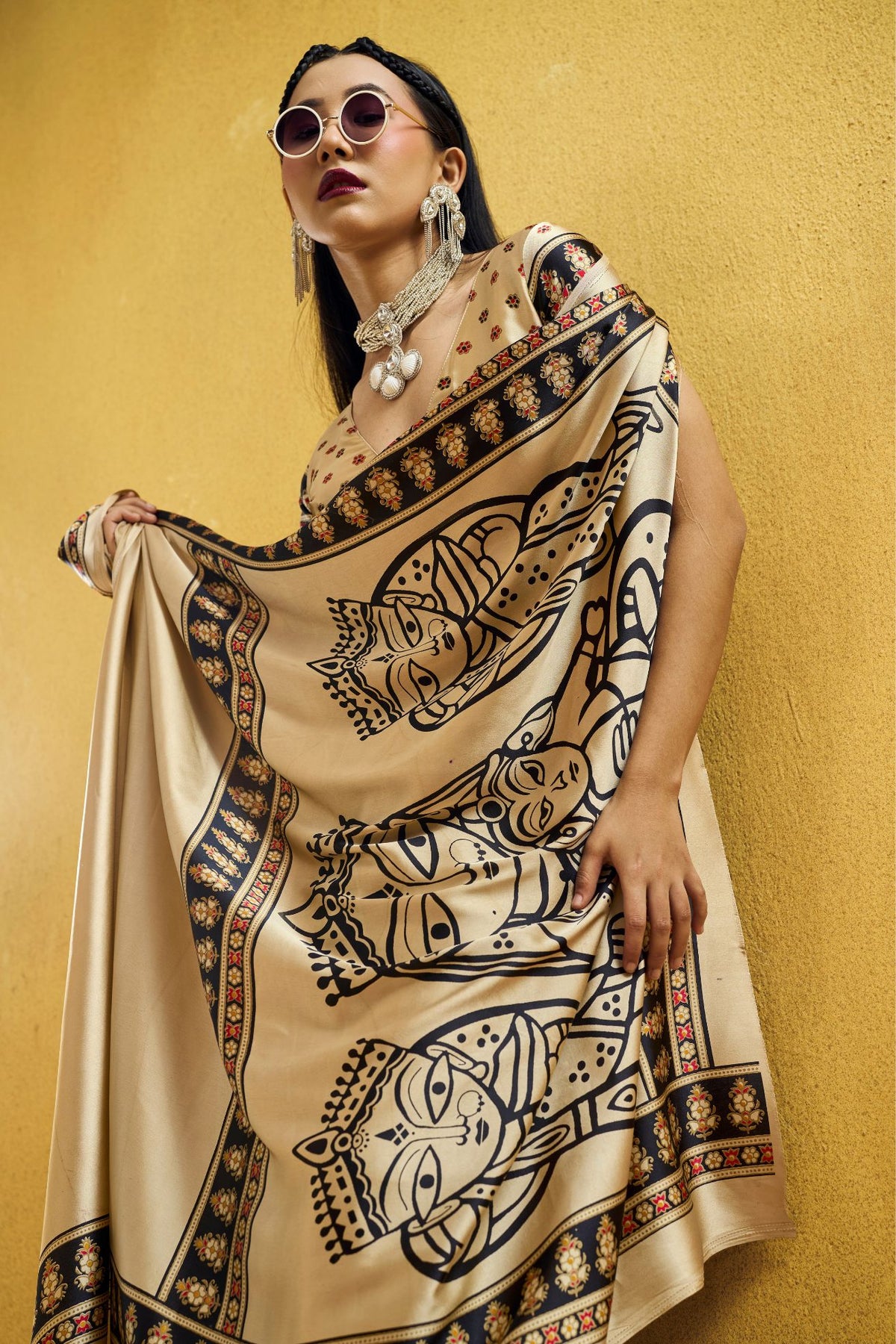
Champagne Cream Modal Ajrakh Satin Printed Silk Saree
Frequently Asked Questions — Sarees — Latest Saree Designs Online
How do I choose the right type of saree, and how can I tell if it is authentic?
Start with the occasion and the weather, because fabric decides both look and comfort. Rich zari-woven silks such as Kanjivaram, Banarasi and Paithani suit weddings and grand ceremonies; lighter drapes like organza, georgette and soft silk work for parties and evening events; breathable cotton, linen, Chanderi and Kota keep you comfortable through long office days and summer functions. Authenticity comes down to honest labelling, so read the fabric line on every listing carefully — at MySilkLove a blend is always labelled a blend, woven and printed techniques are stated plainly, and handloom GI weaves carry trust signals like Silk Mark certification and weaver ID cards where applicable, backed by direct-from-weaver sourcing. If you are unsure between two weaves, our team can share close-up photos and drape videos over WhatsApp before you order, and easy 7-day returns mean you can choose with confidence.
How much does a good saree cost, and why do prices vary so much?
Saree pricing follows the work in the weave: the fibre (pure silk versus silk blend, cotton or linen), the technique (handloom weaving versus powerloom or printing), the amount and quality of zari, and the sheer loom-hours a design demands. A printed drape takes days; an intricately woven silk can take weeks or months. At MySilkLove, regular list prices currently start at about ₹2,500 for woven linen-cotton and printed sarees and reach around ₹10,000 for premium zari-woven Banarasi silks, with most everyday and festive picks falling between ₹3,000 and ₹7,000, and offers applied at checkout often bring the payable price lower. Heavier handloom Kanjivaram and Paithani weaves sit above that band and are not always on the live shelf, so message us on WhatsApp if that is specifically what you want. Every listing states its fabric and technique honestly, so you always know whether you are paying for a blend, a print or true handloom work. Shipping is free across India with no minimum order and free on international orders above ₹6,000, COD and 7-day returns are available, and our WhatsApp team can help you compare options within your budget.
How should I care for and store my sarees at home?
Care depends on the fabric, so check the listing's care note first. Silk and zari-woven sarees — Kanjivaram, Banarasi, Paithani, Patola — are safest dry-cleaned; never wring them, keep them out of prolonged direct sunlight, and iron on low from the reverse with a cotton cloth in between. Cotton and linen sarees can be gently hand-washed in cold water with a mild detergent — wash them separately the first time in case colours release — and dried in shade. Delicate organza and tissue pieces prefer dry cleaning and gentle handling around the zari. For storage, wrap sarees in soft muslin or cotton rather than plastic so the fibre can breathe, add neem leaves or cloves as a natural moth repellent, and refold along different lines every few months so creases never set. Every MySilkLove order arrives with care guidance, and our team can advise on a specific piece over WhatsApp.
Which saree works best for which occasion, and how do I style it?
A useful rule: let the grandeur of the weave match the scale of the event. For weddings and milestone ceremonies, reach for zari-rich Kanjivaram, Banarasi or Paithani silks with classic gold jewellery. For festive gatherings and pujas, Patola, tissue, soft silk and bandhani drapes bring colour without bridal weight. For the office and daytime events, cotton, linen, Chanderi and Kota sarees look polished and stay breathable, styled with simple studs and a structured blouse. For evening parties, organza, georgette and satin drape beautifully with sleek blouses and minimal jewellery. When styling, pick the blouse colour from the saree's border or pallu, keep either the saree or the accessories as the statement — never both — and pre-pleat at home if you are short on time. Many MySilkLove sarees include a coordinating blouse piece, and our team can suggest blouse and jewellery directions for a specific saree over WhatsApp.
How long is a saree, and how do I drape one if I am a beginner?
A standard saree is about 5.5 metres long and a little over a metre wide, and most come with an attached blouse piece of roughly 0.8 metres, so the full length you receive is usually closer to 6.3 metres. Traditional nine-yard drapes such as the Maharashtrian Nauvari or the South Indian Madisar run to about 8.2 metres and are worn quite differently. If you are new to it, learn the Nivi drape first: tuck the plain end into your petticoat at the navel and take one full turn around the waist, make five to seven even pleats of about five inches, tuck them in slightly to the left, then take the remaining fabric around once more and bring the pallu over your left shoulder. Practical tips that make the first attempt far easier — iron the saree, wear a snug petticoat and a well-fitted blouse, put your footwear on before you start so the length falls right, and keep a few safety pins handy. Georgette, chiffon and soft silk are the most forgiving fabrics to learn on; crisp organza and heavy zari silks hold their shape beautifully but need more pinning. At MySilkLove most sarees include a blouse piece and any listed without one says so in the title, and our team can share a drape video or exact measurements for a specific saree over WhatsApp.