
Ajrakh Sarees | Buy Authentic Block Printed Ajrakh Sarees
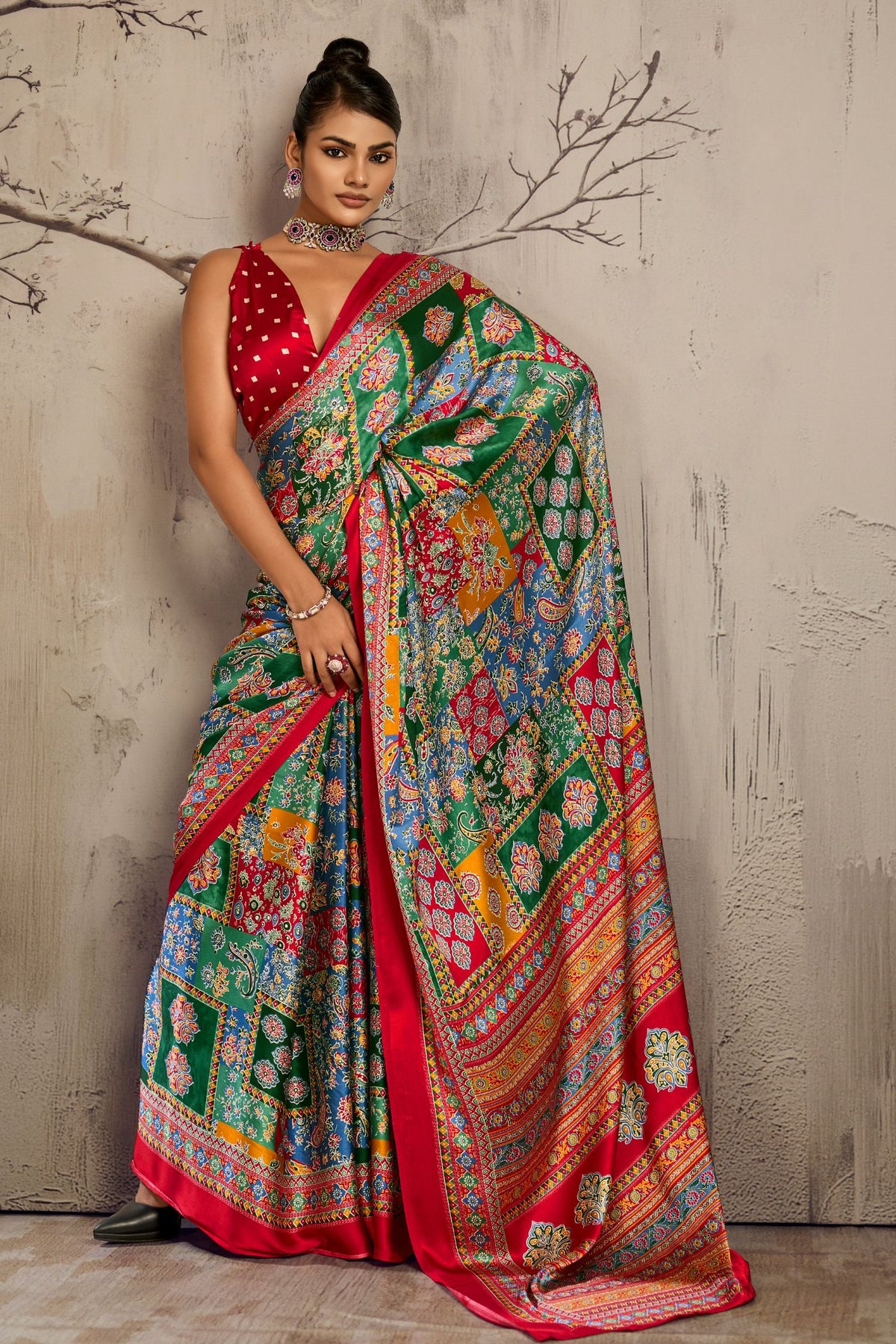
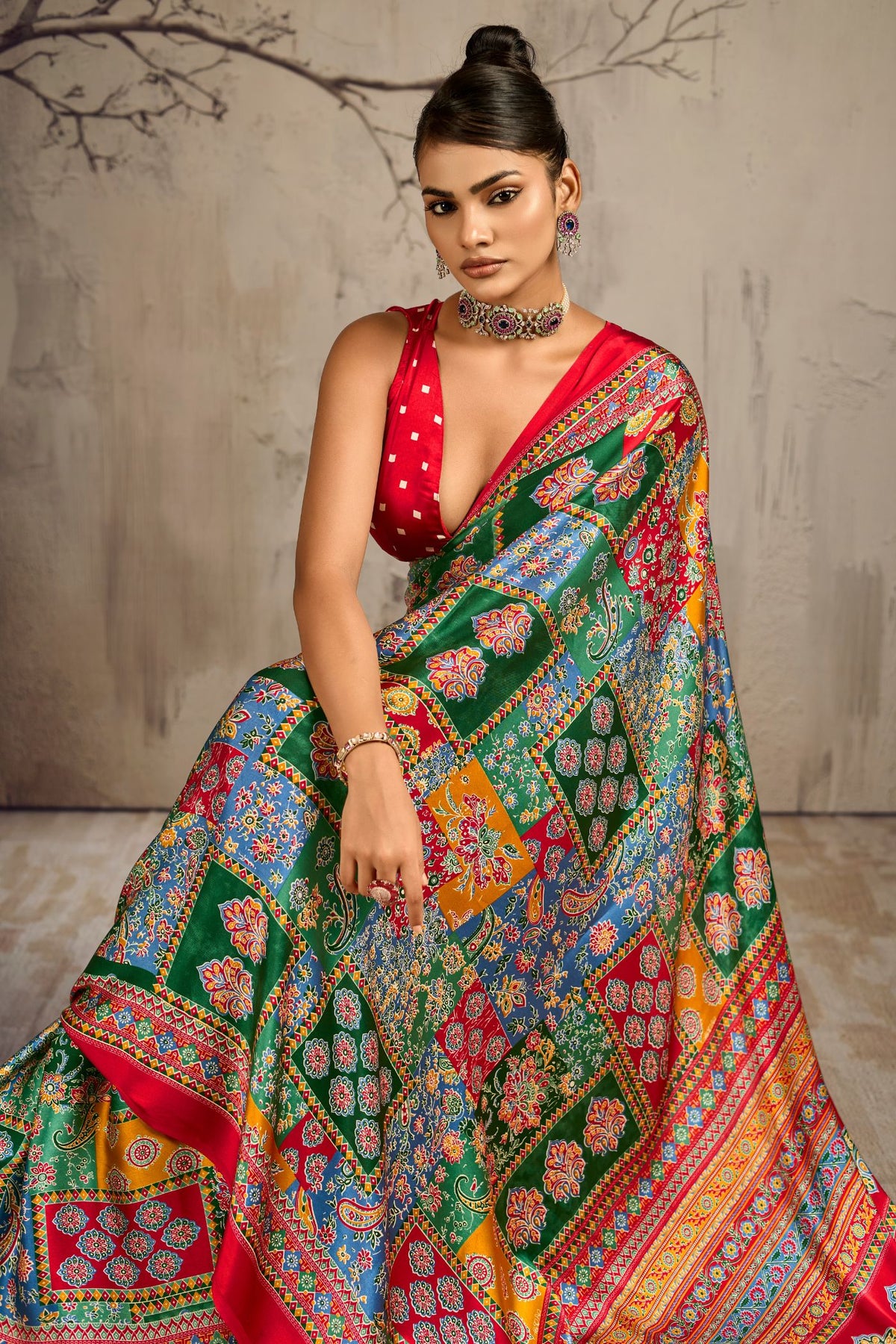
Fern Green Modal Ajrakh Satin Printed Silk Saree
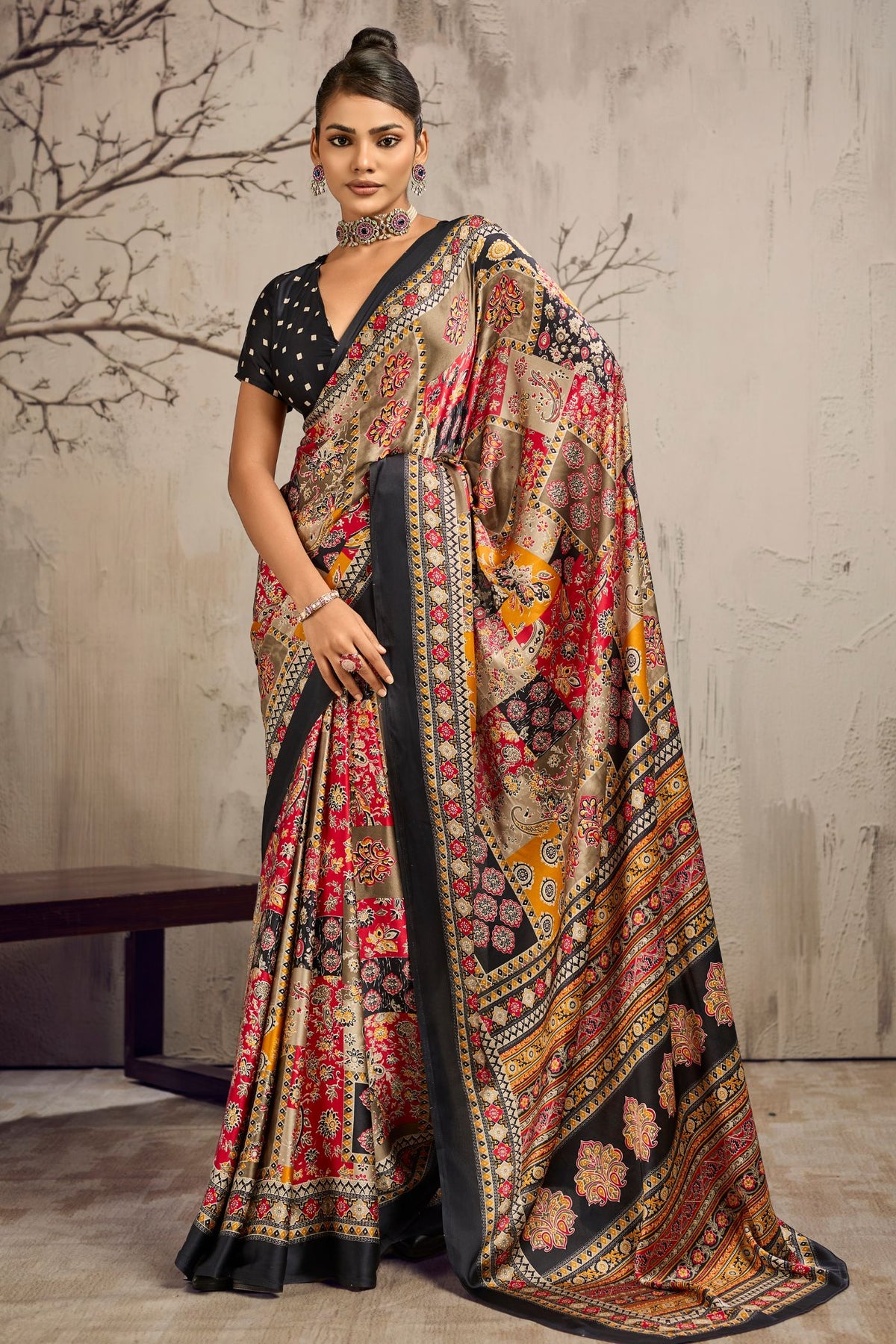
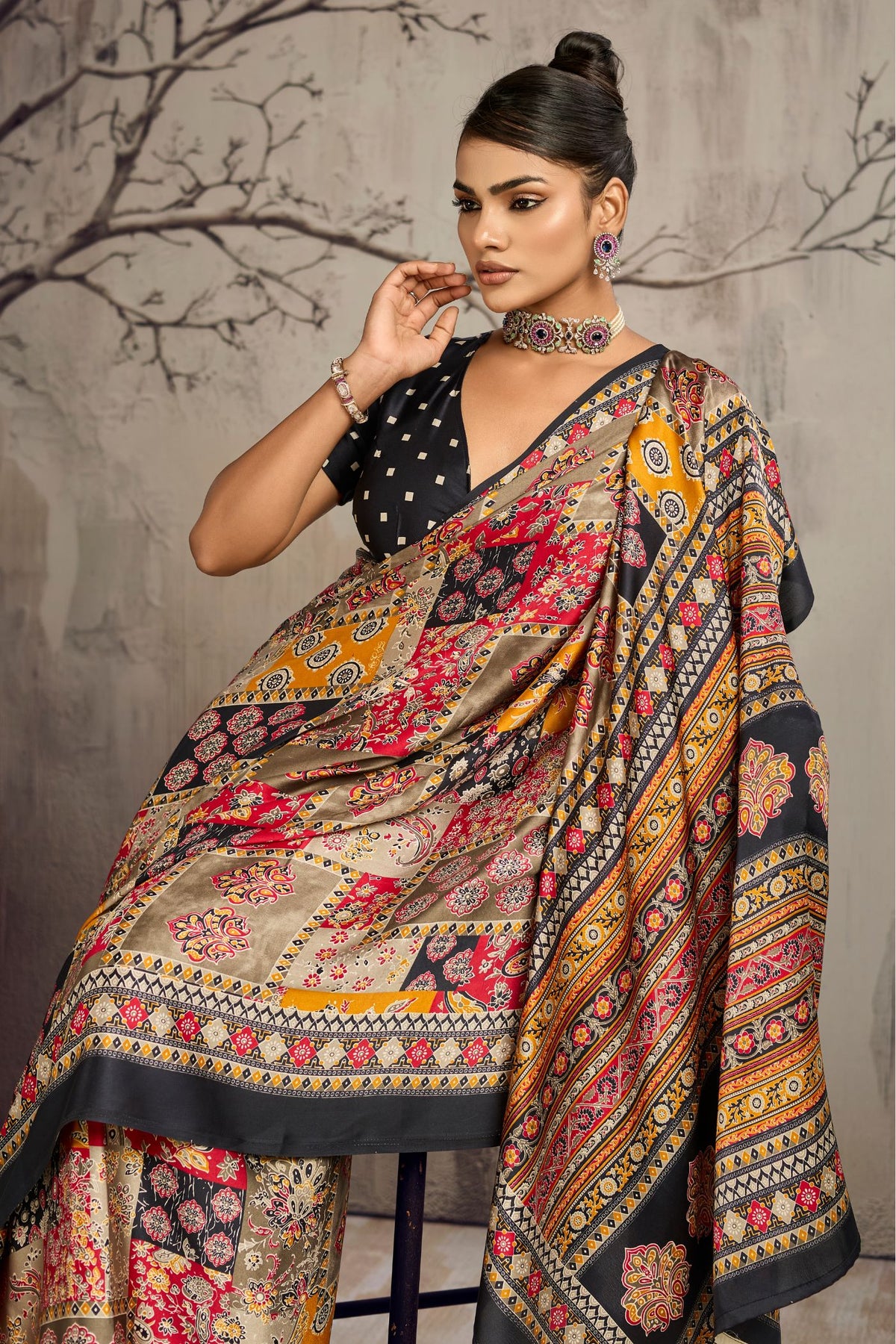
Multicolor Black Modal Ajrakh Satin Printed Silk Saree

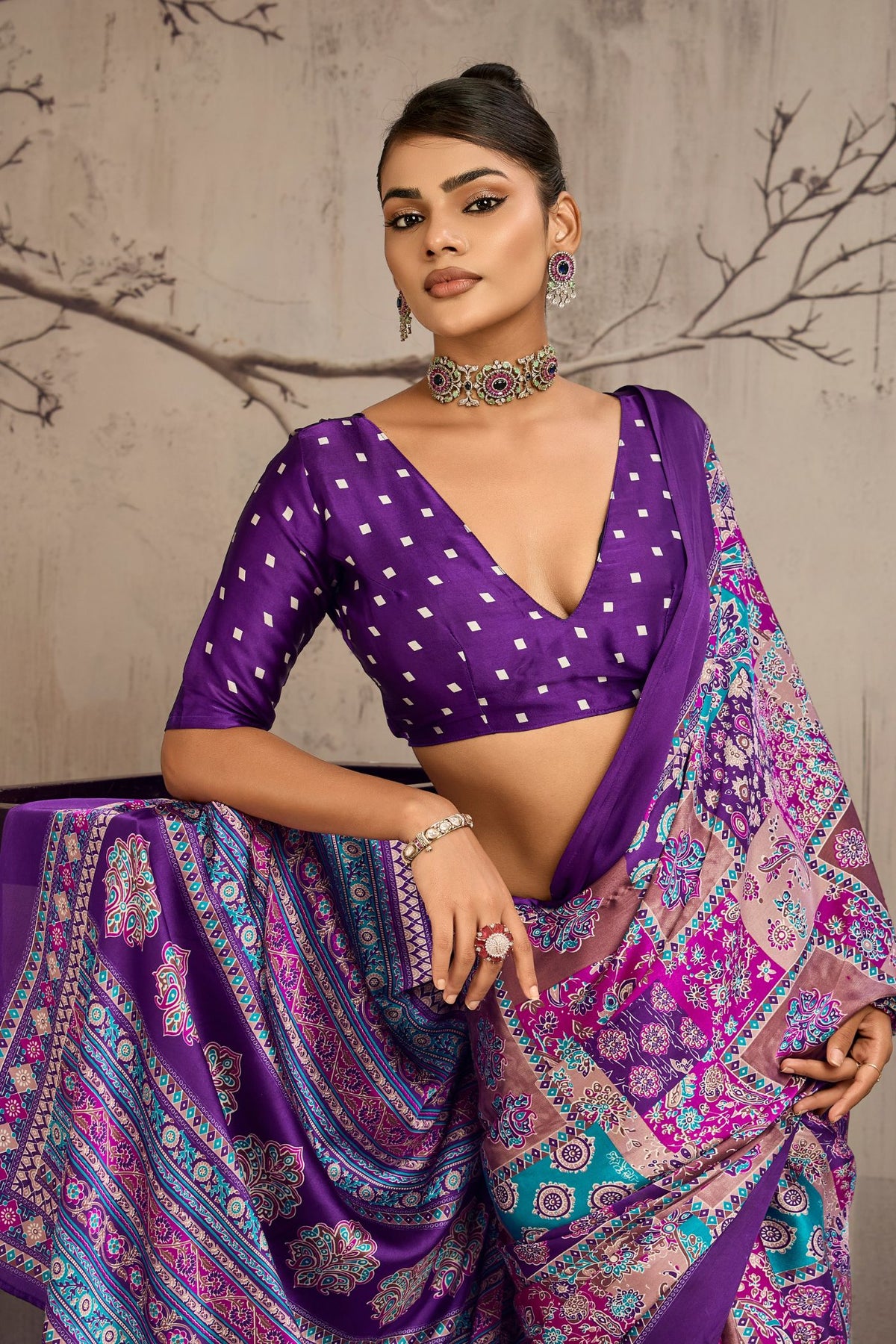
Orchid Purple Modal Ajrakh Satin Printed Silk Saree
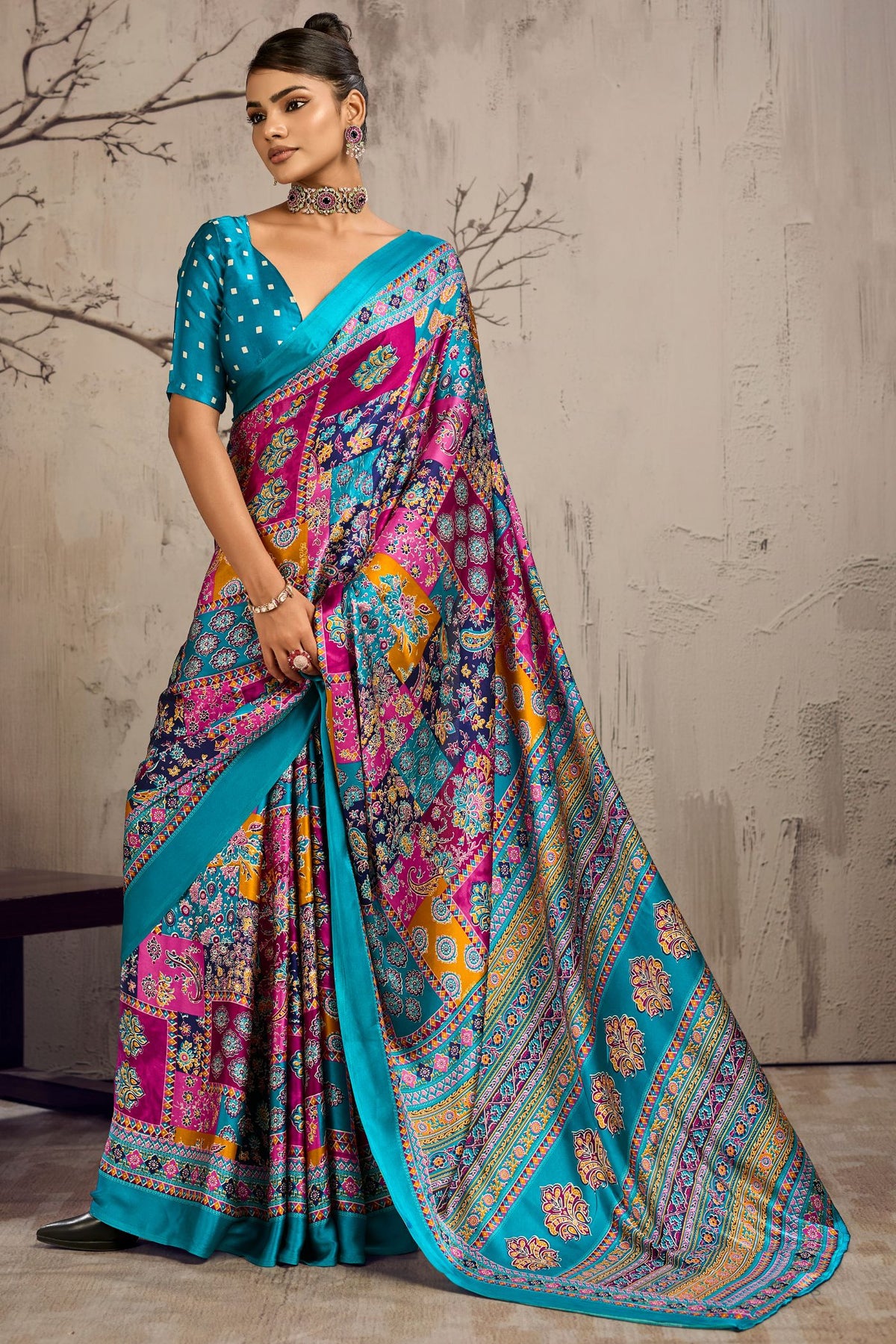
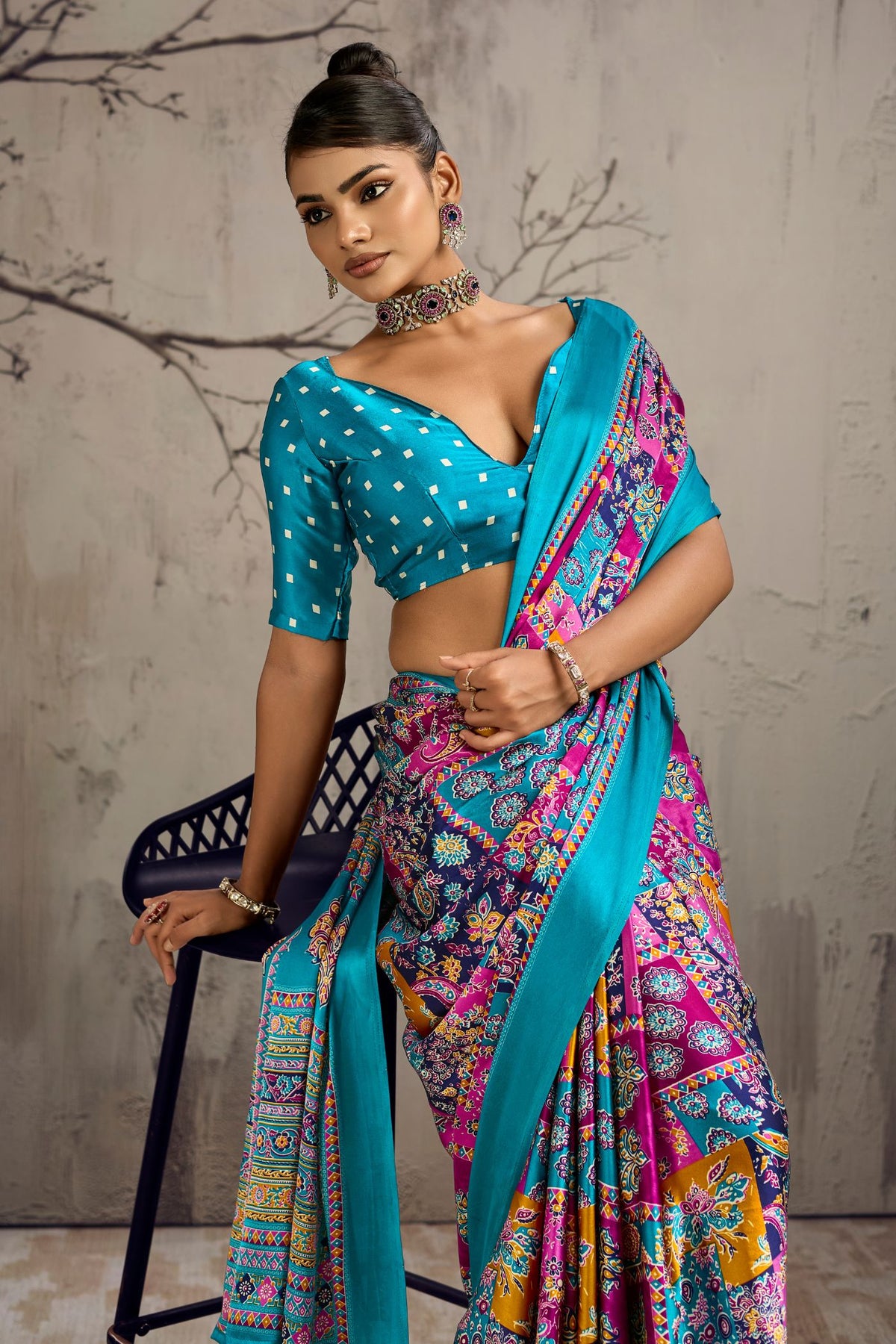
Fuchsia Pink Modal Ajrakh Satin Printed Silk Saree
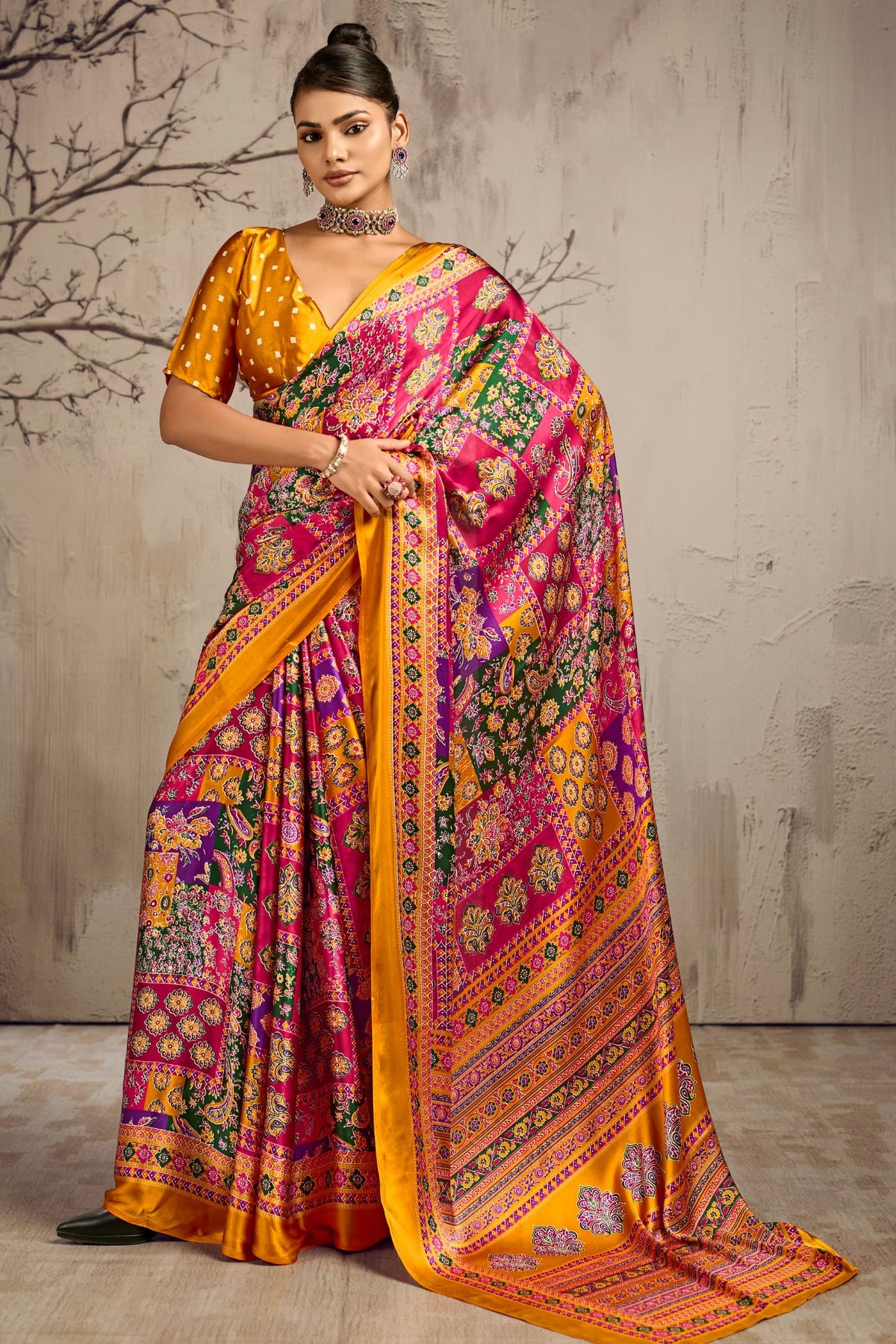
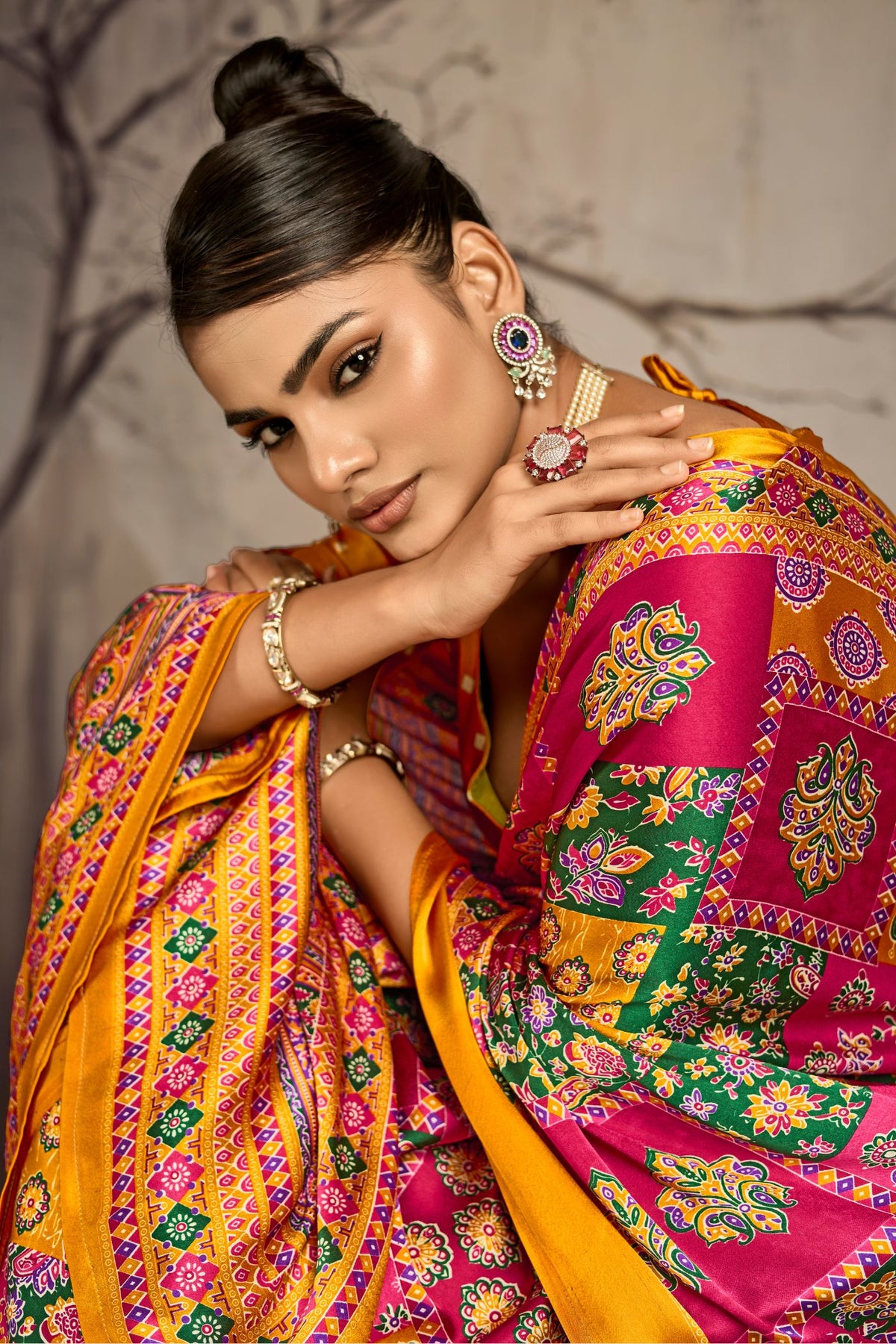
Saffron Yellow Modal Ajrakh Satin Printed Silk Saree
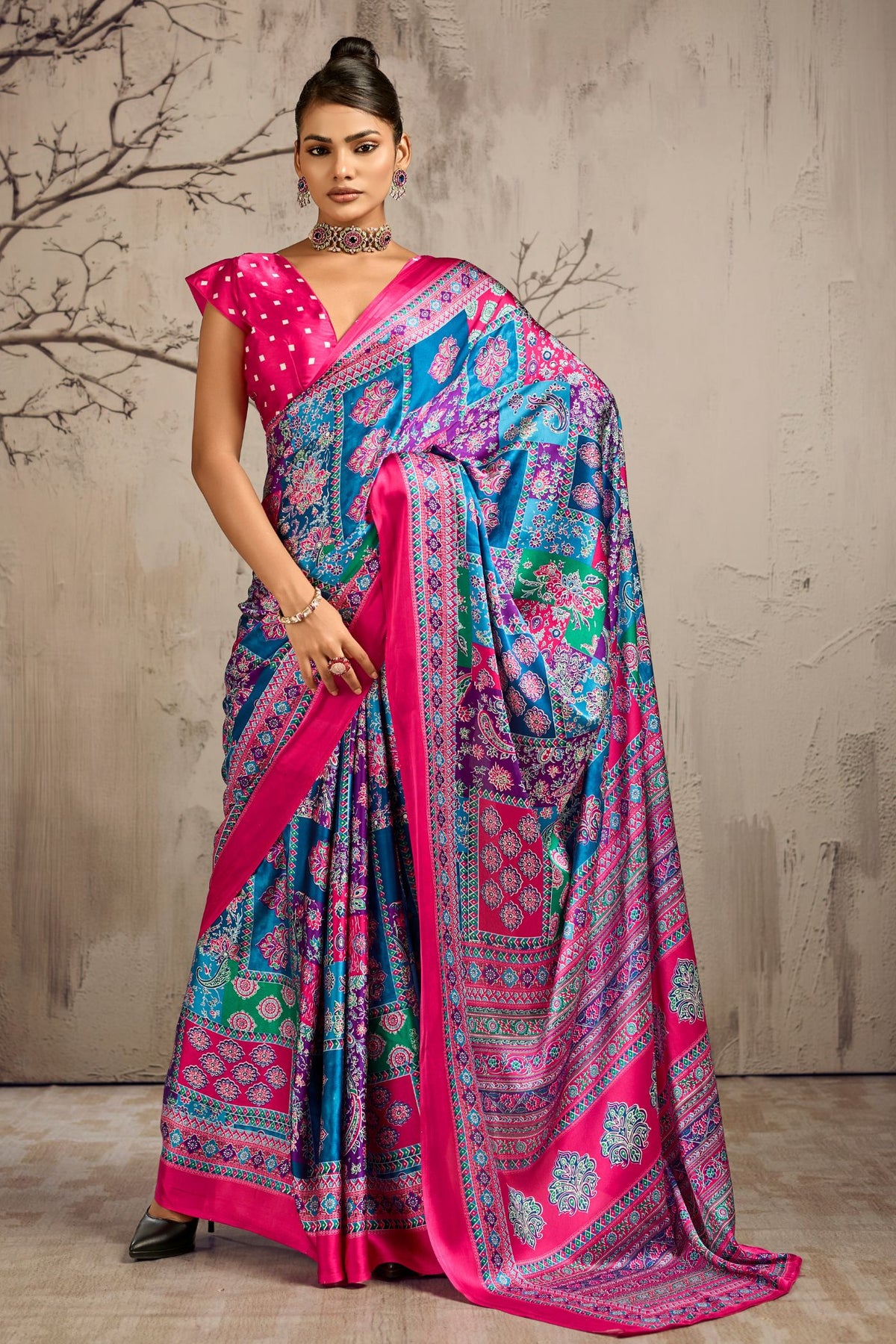
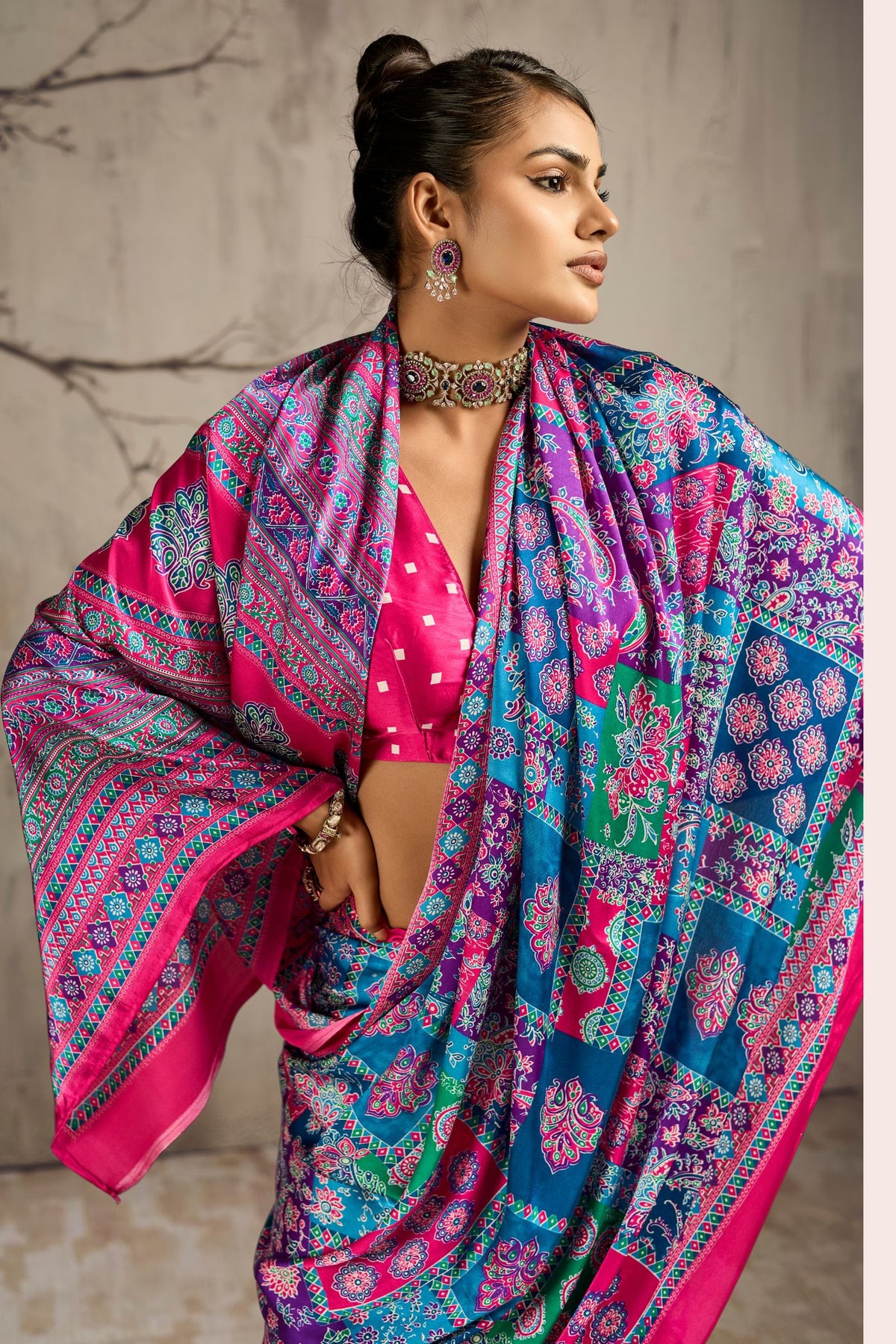
Peacock Blue Modal Ajrakh Satin Printed Silk Saree
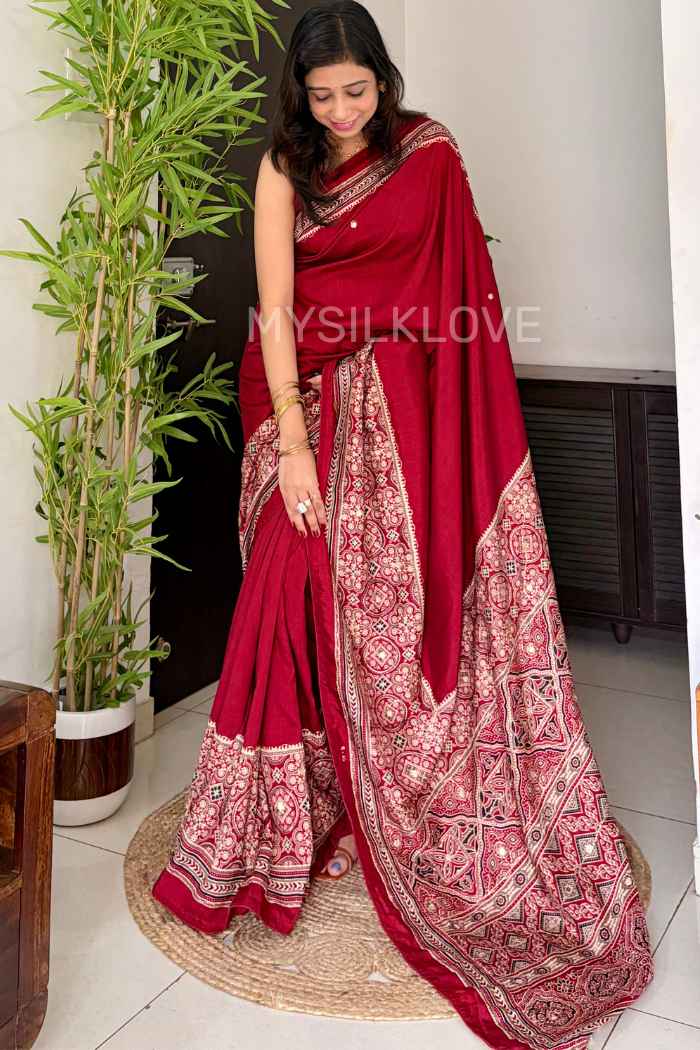
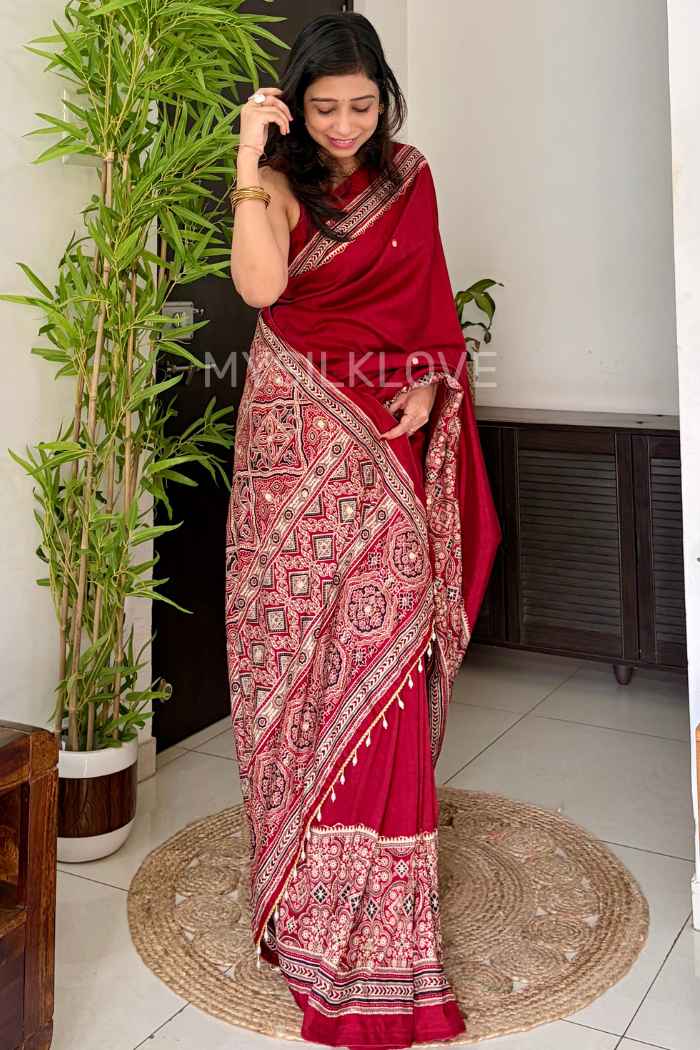
Burgundy Maroon Ajrakh Embroidery Sequin Work Saree
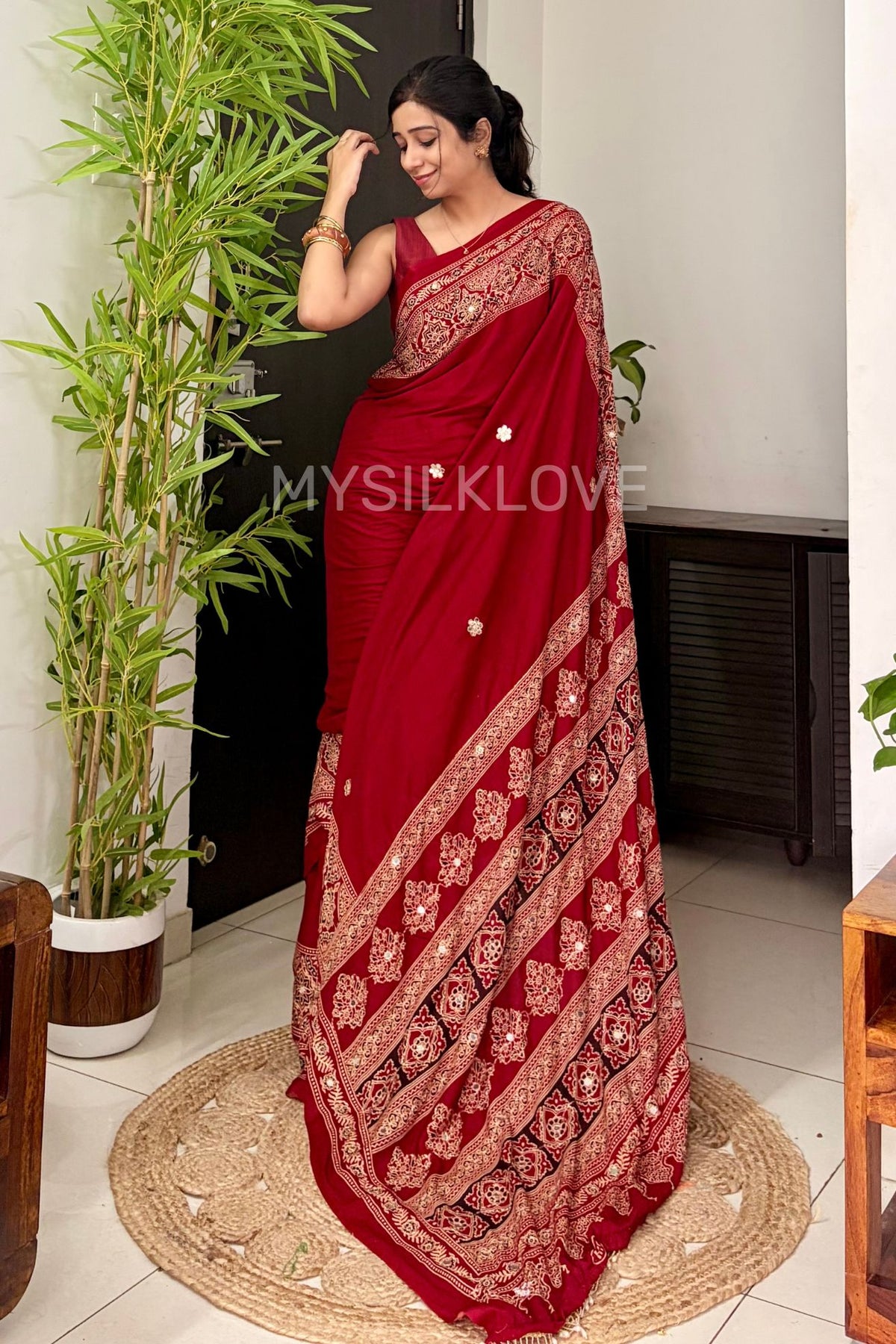
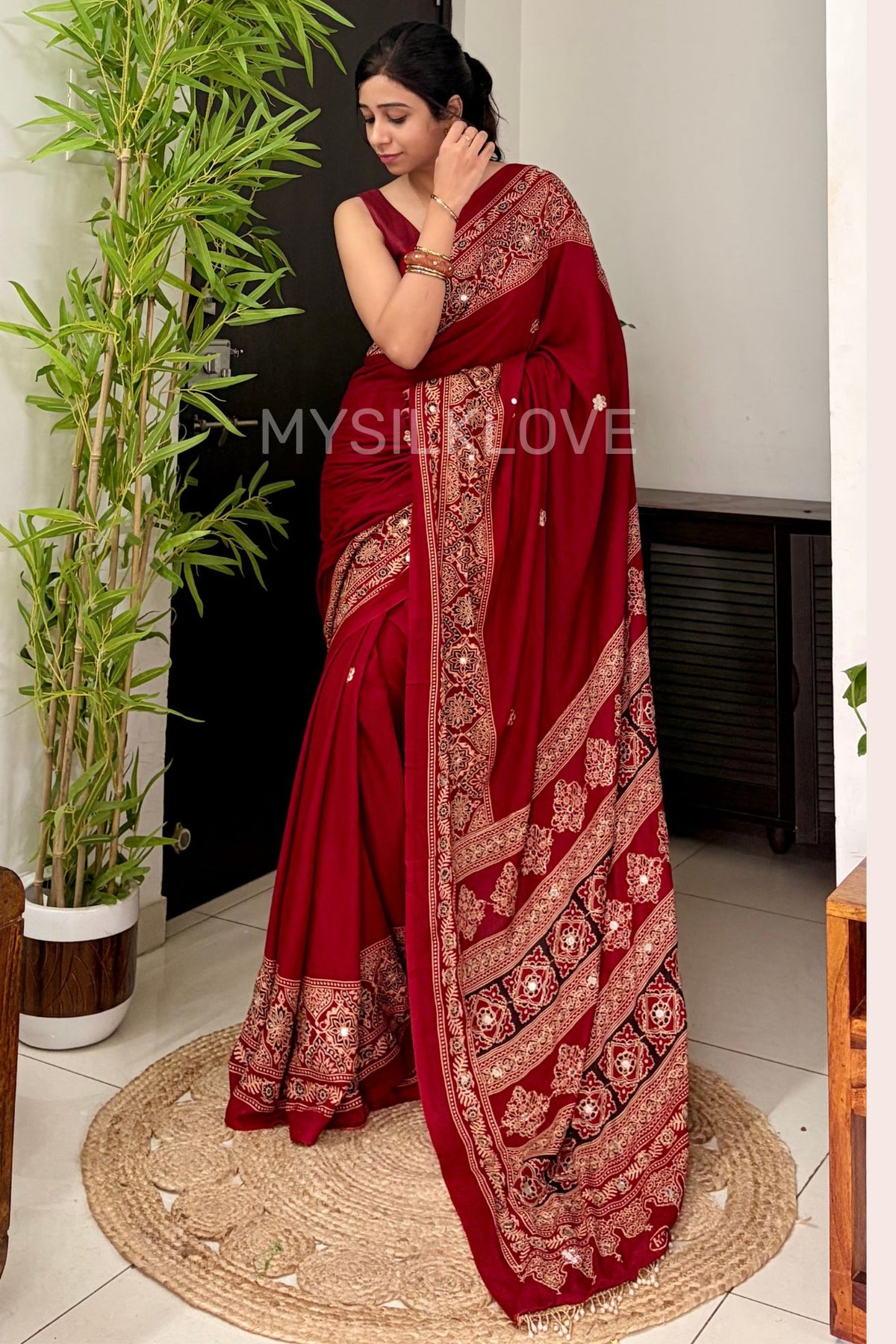
Claret Maroon Ajrakh Embroidery Sequin Work Saree
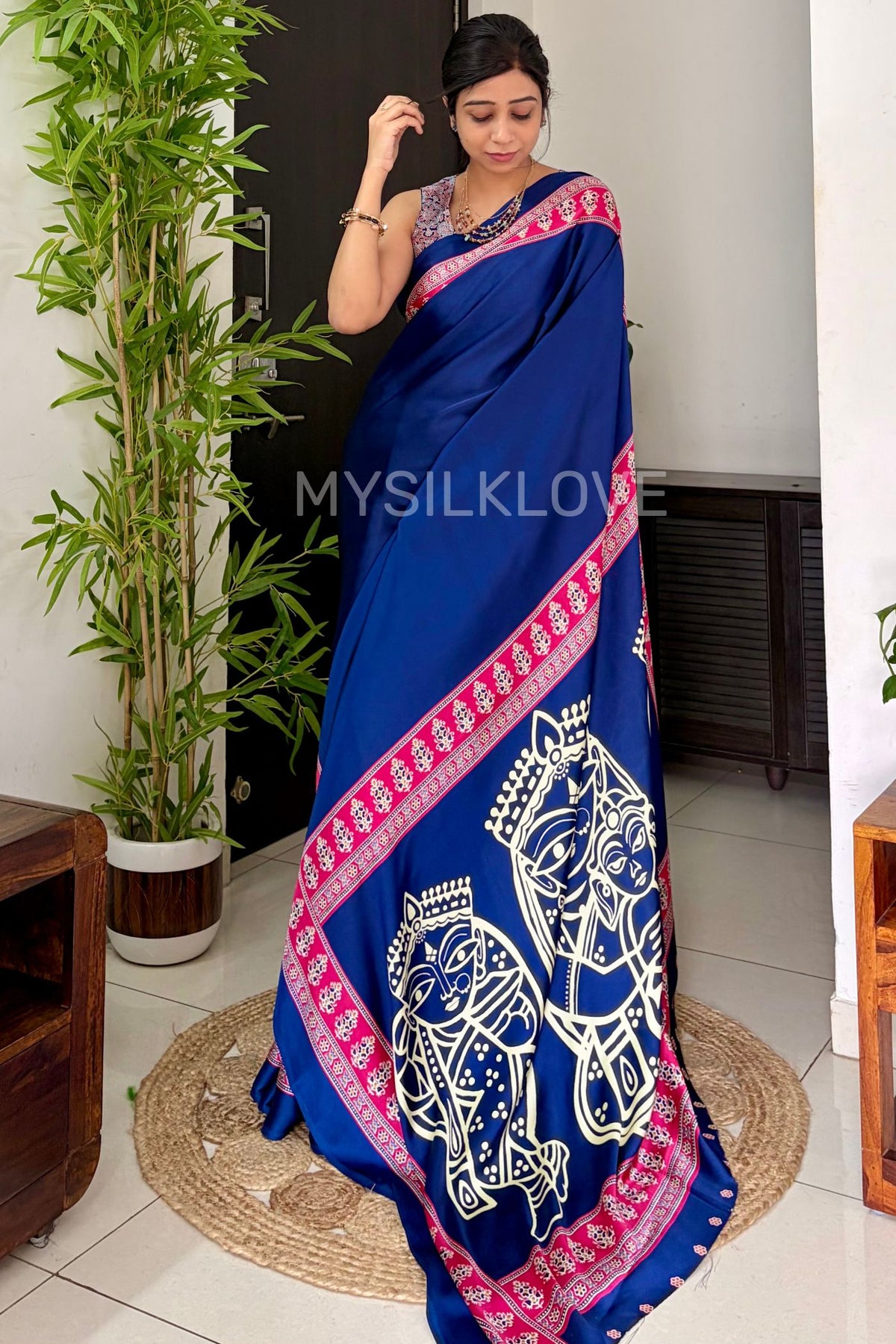
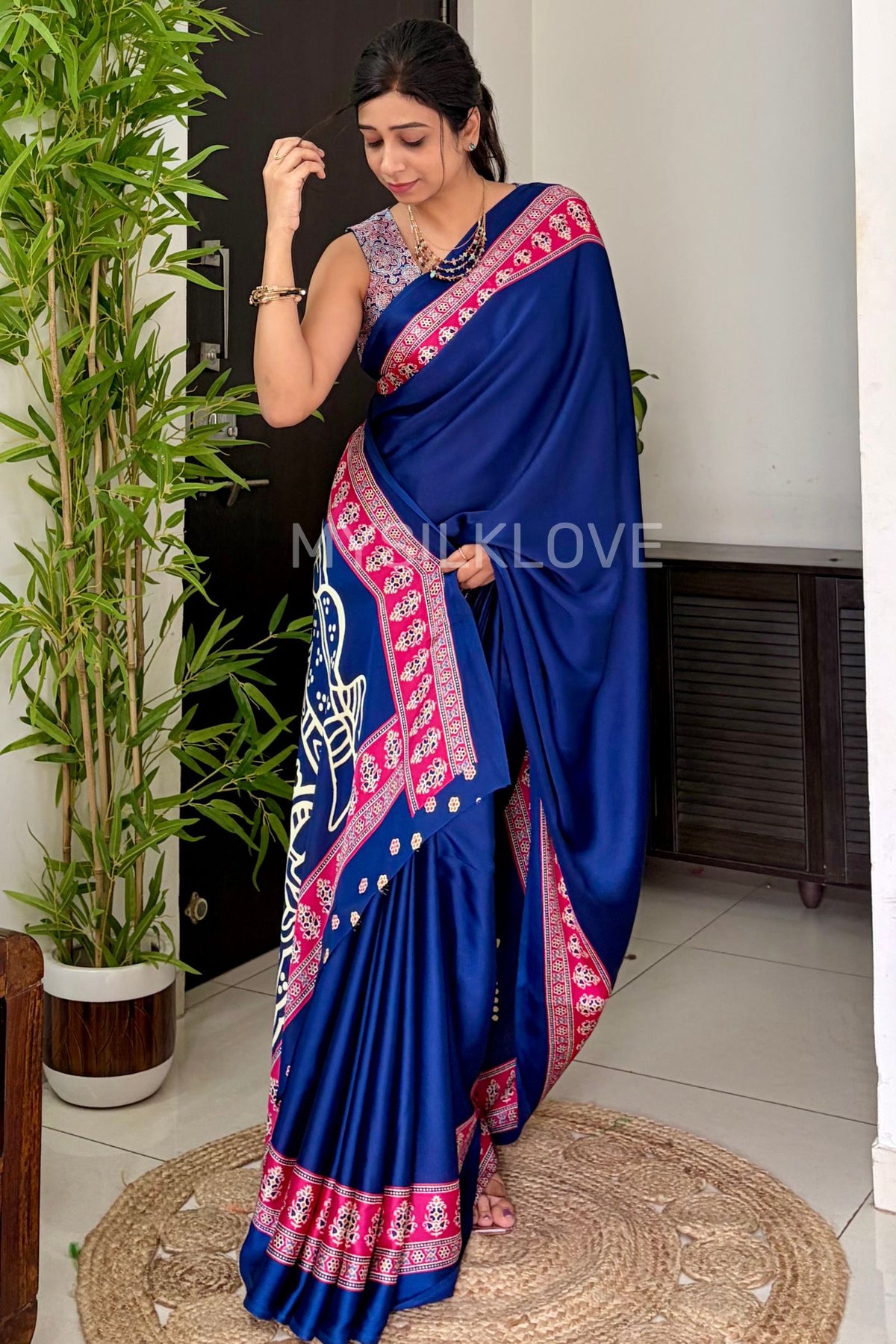
Cobalt Blue Modal Ajrakh Satin Printed Silk Saree

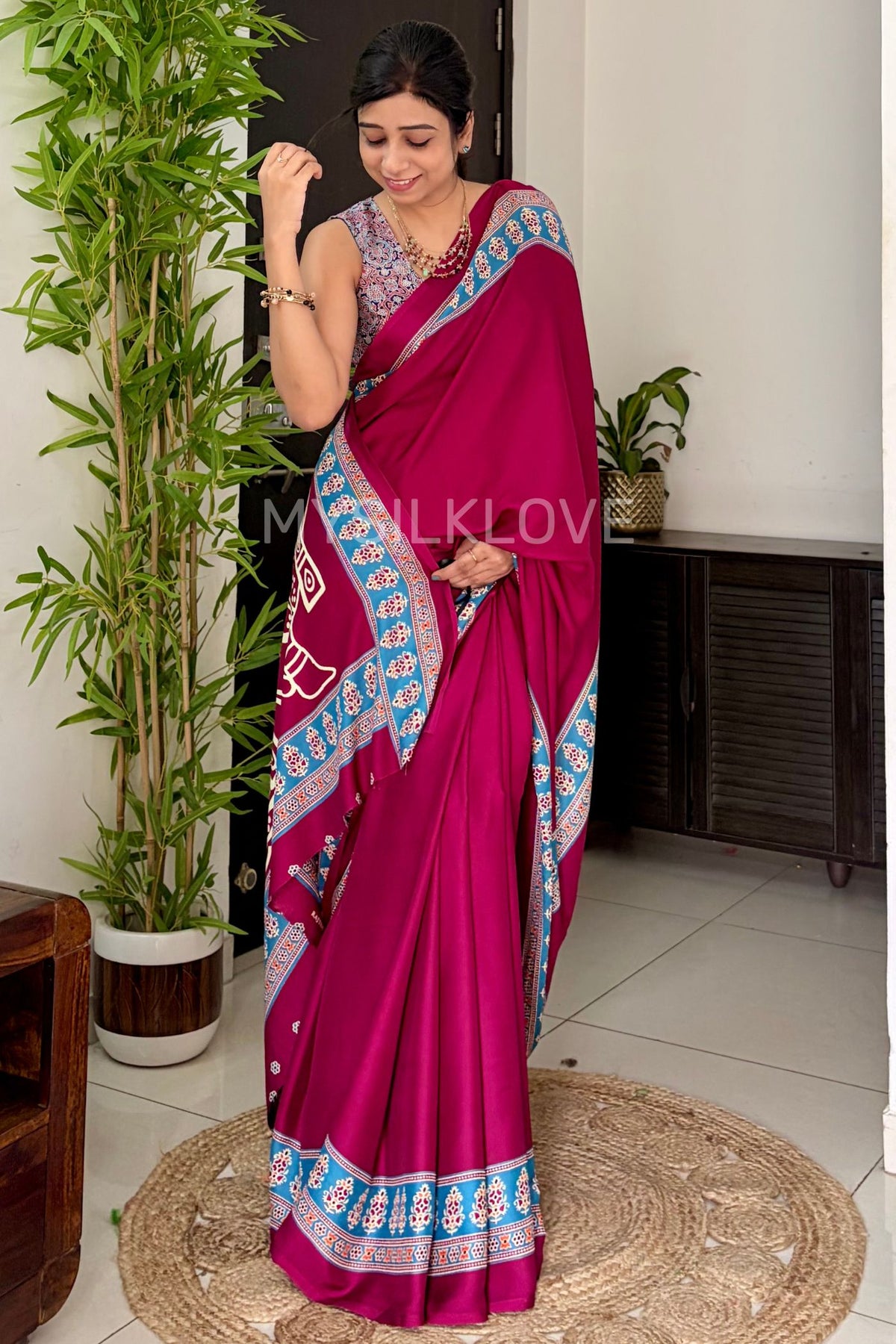
Grape Purple Modal Ajrakh Satin Printed Silk Saree

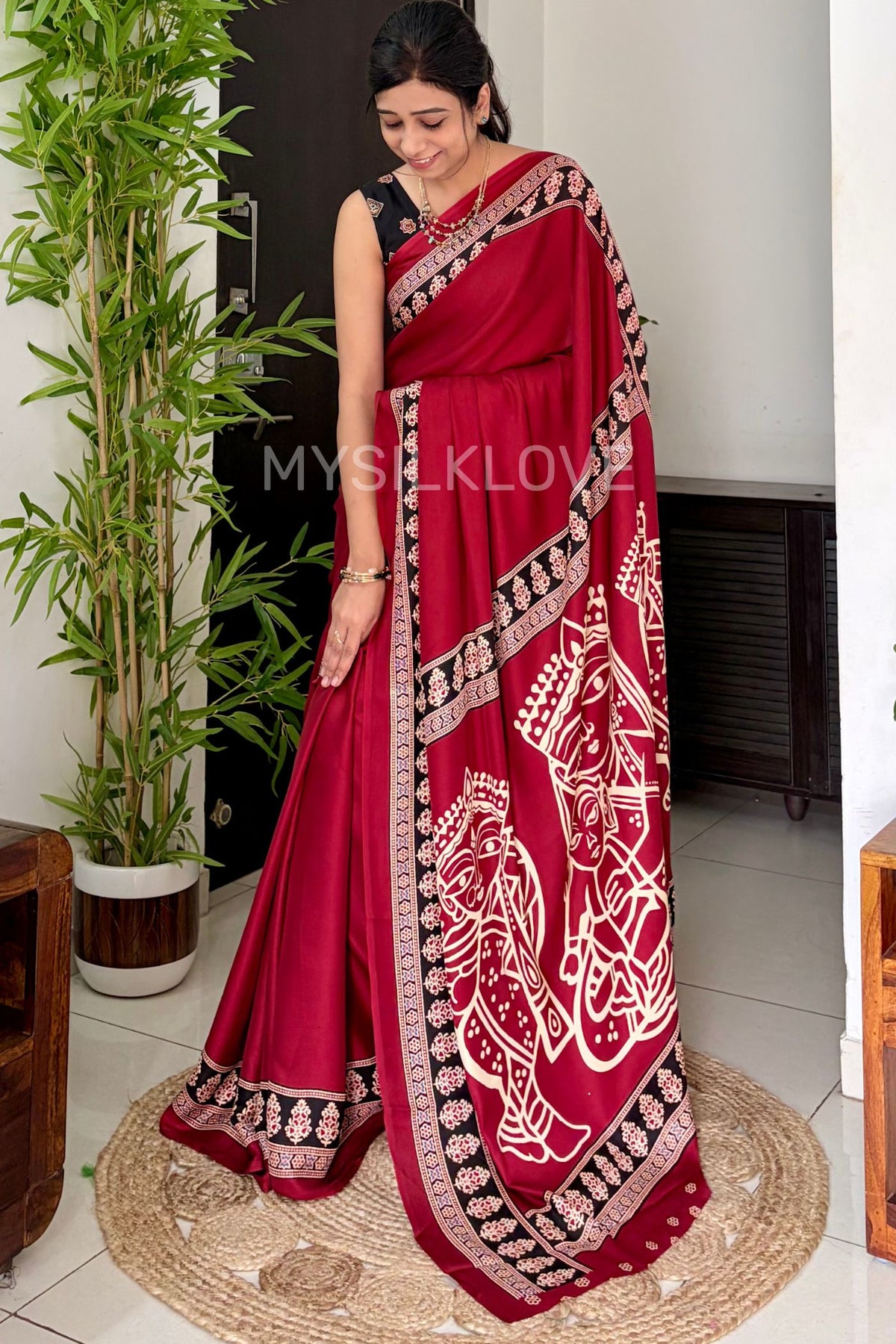
Velvet Maroon Modal Ajrakh Satin Printed Silk Saree
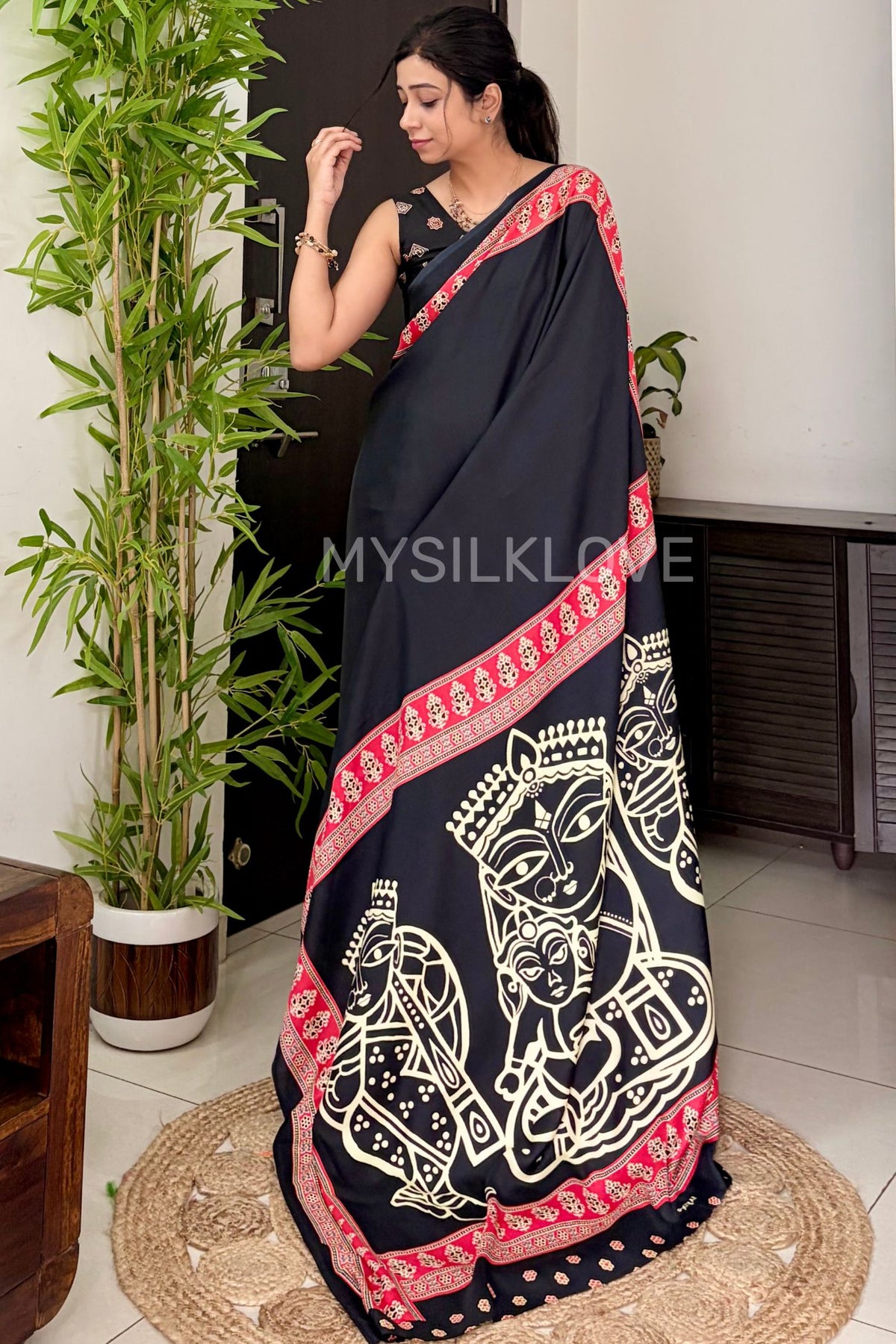
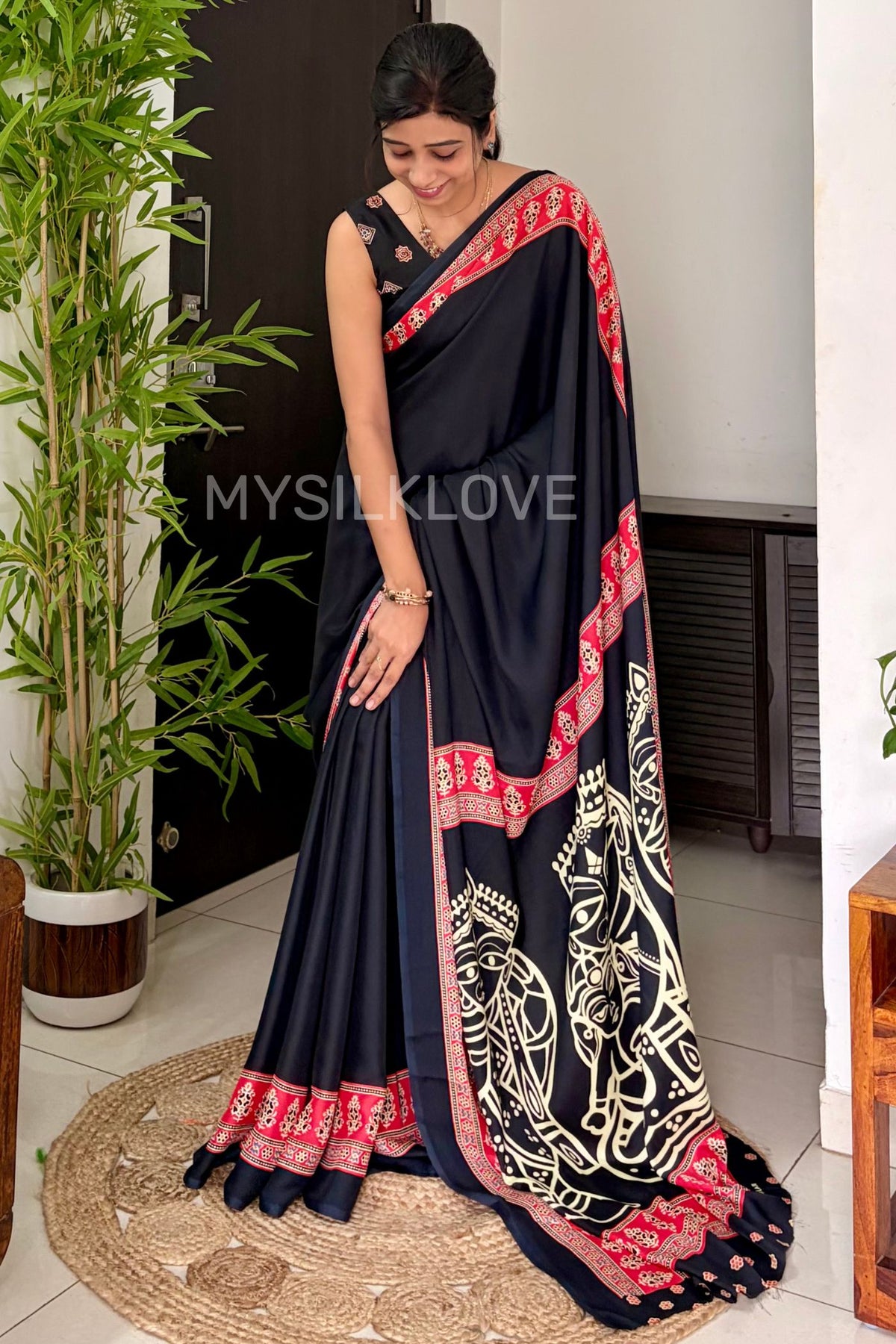
Ebony Black Modal Ajrakh Satin Printed Silk Saree
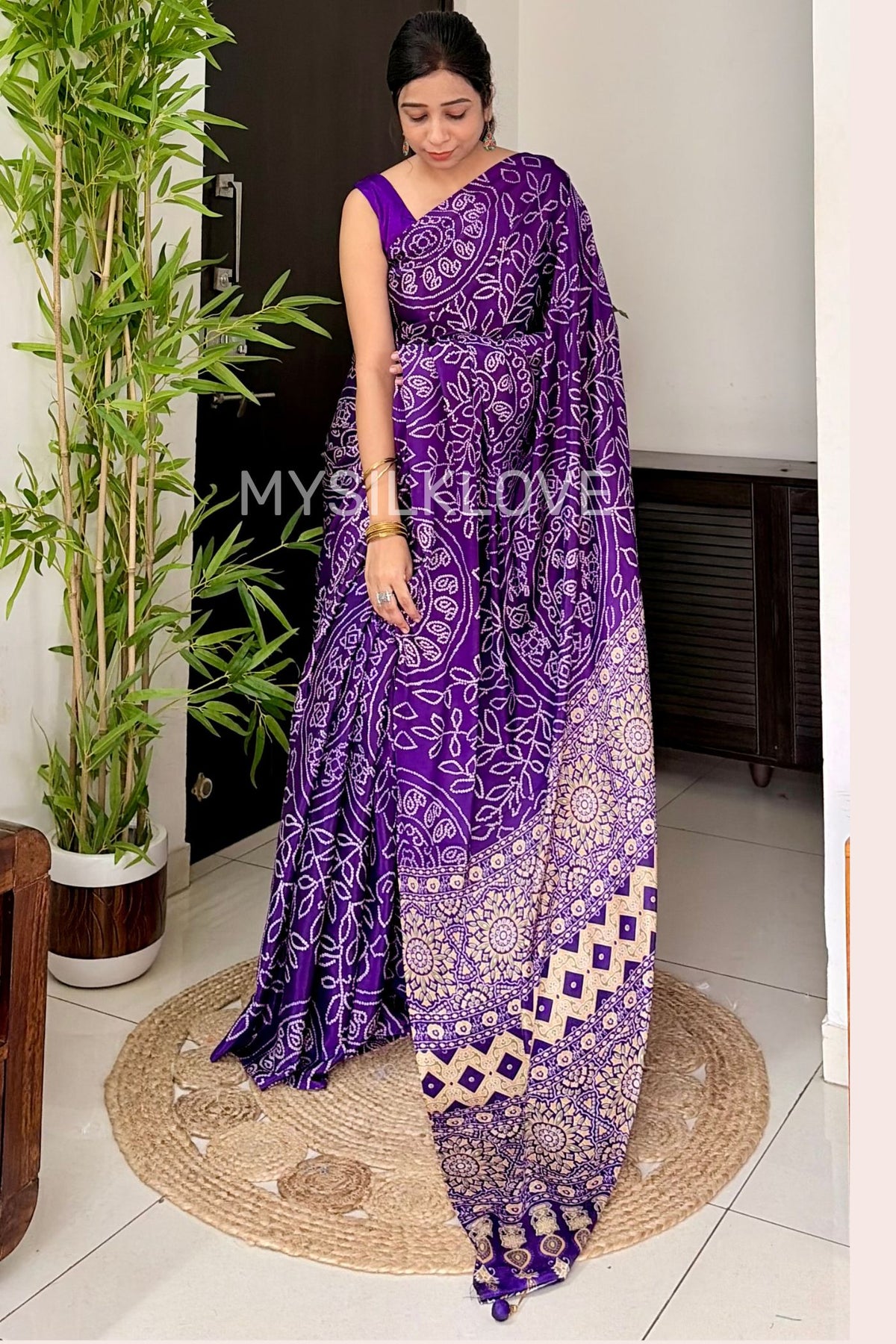
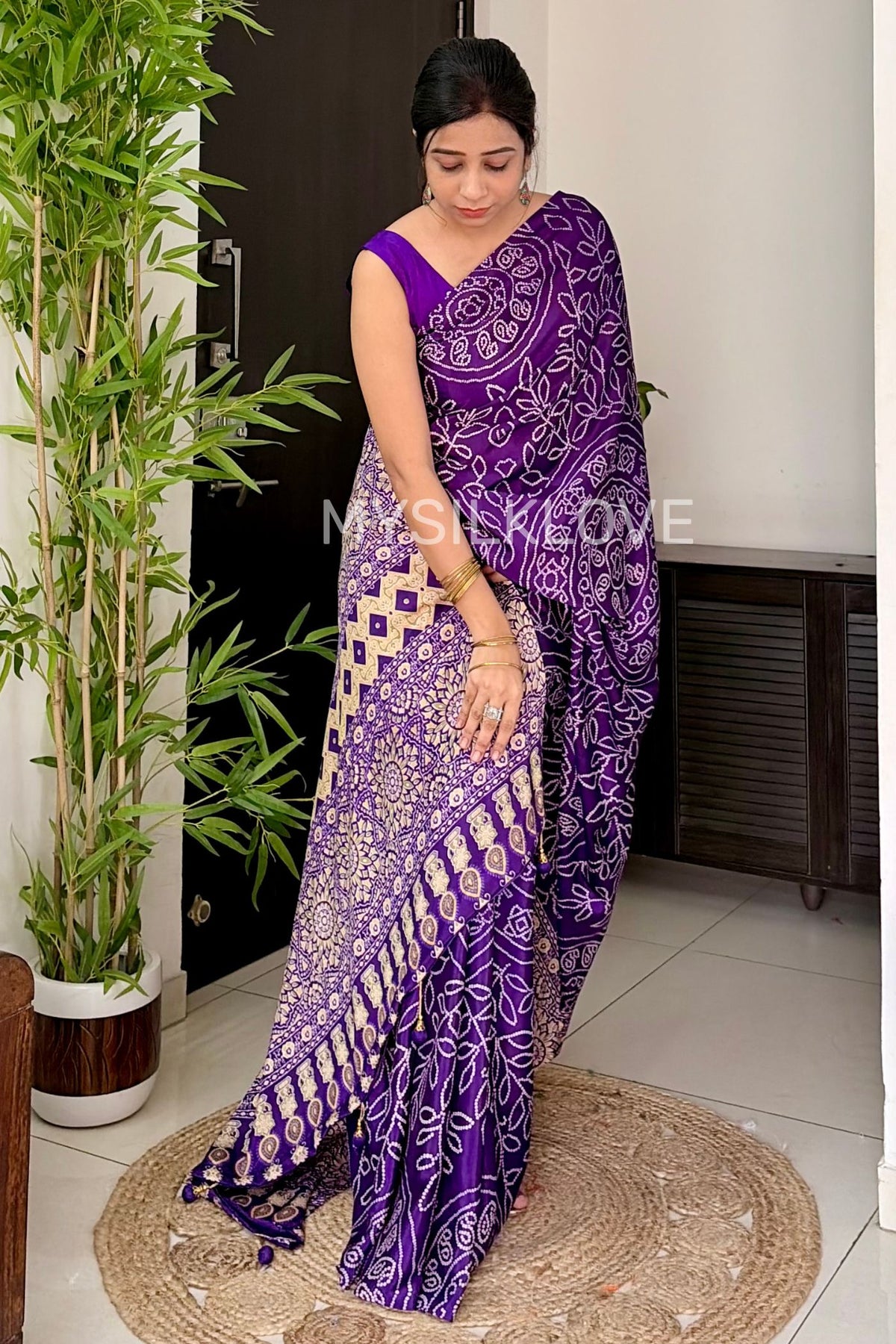
Affair Purple Bandhani Fusion Ajrakh Pallu Saree
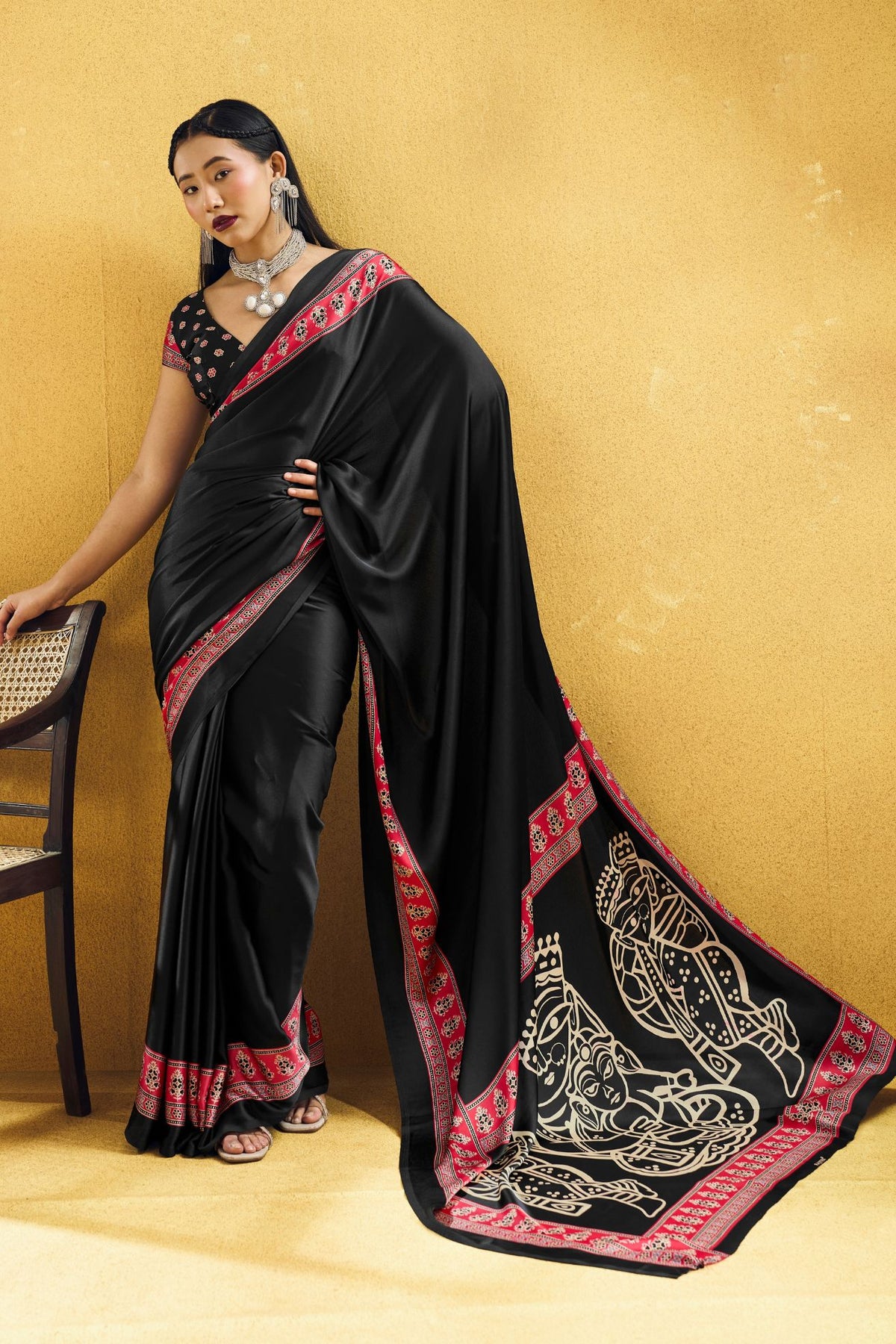
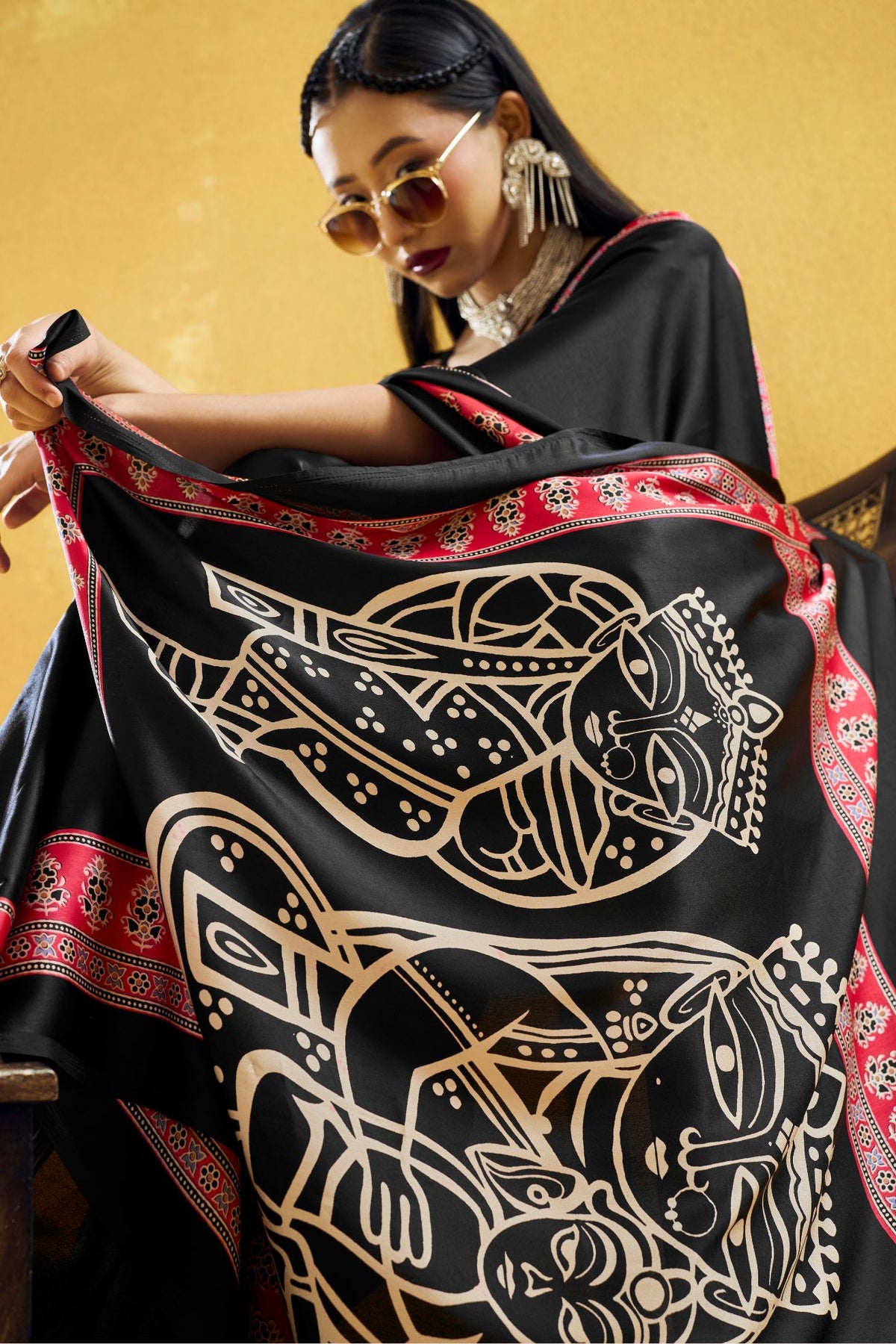
Onyx Black Modal Ajrakh Satin Printed Silk Saree
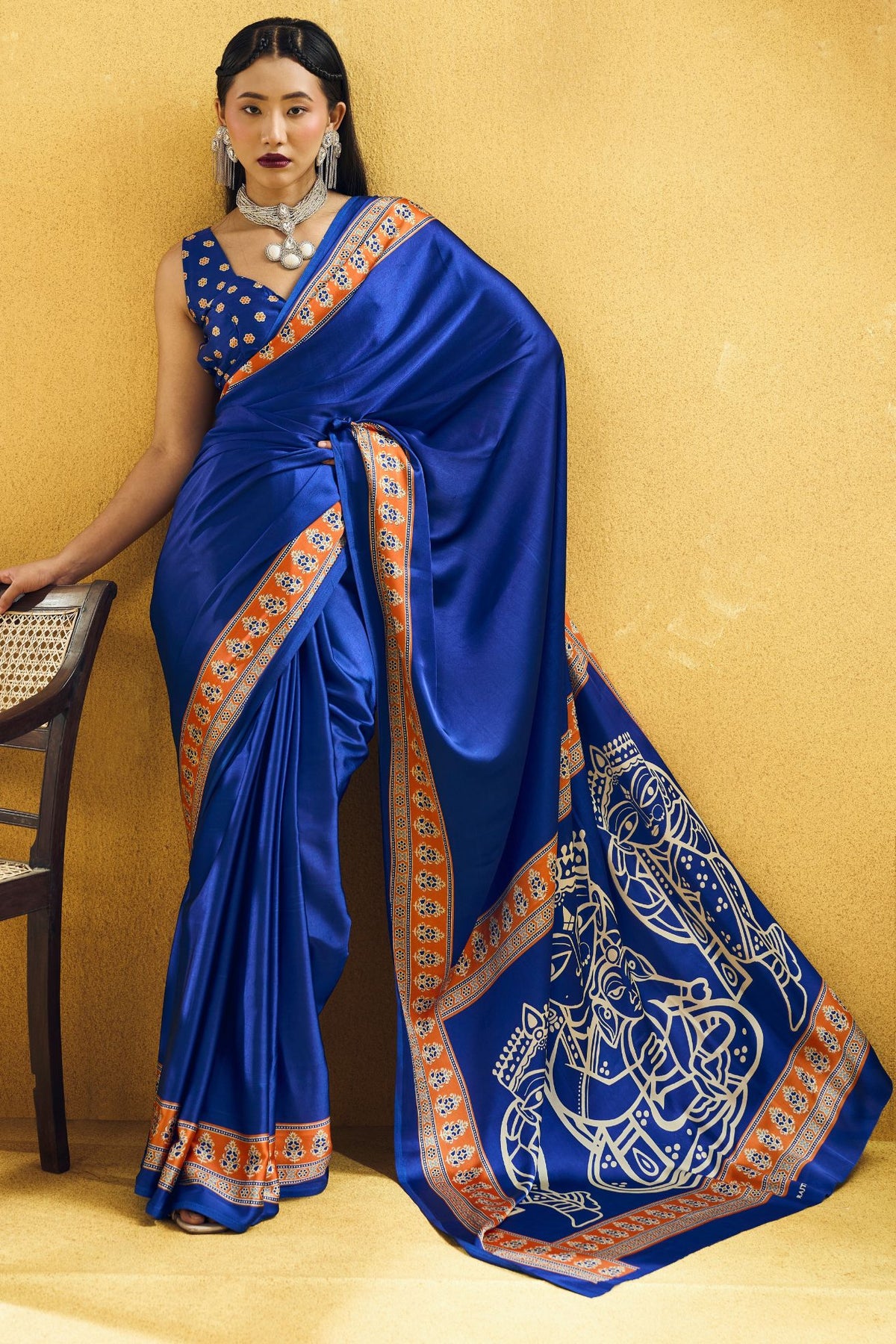
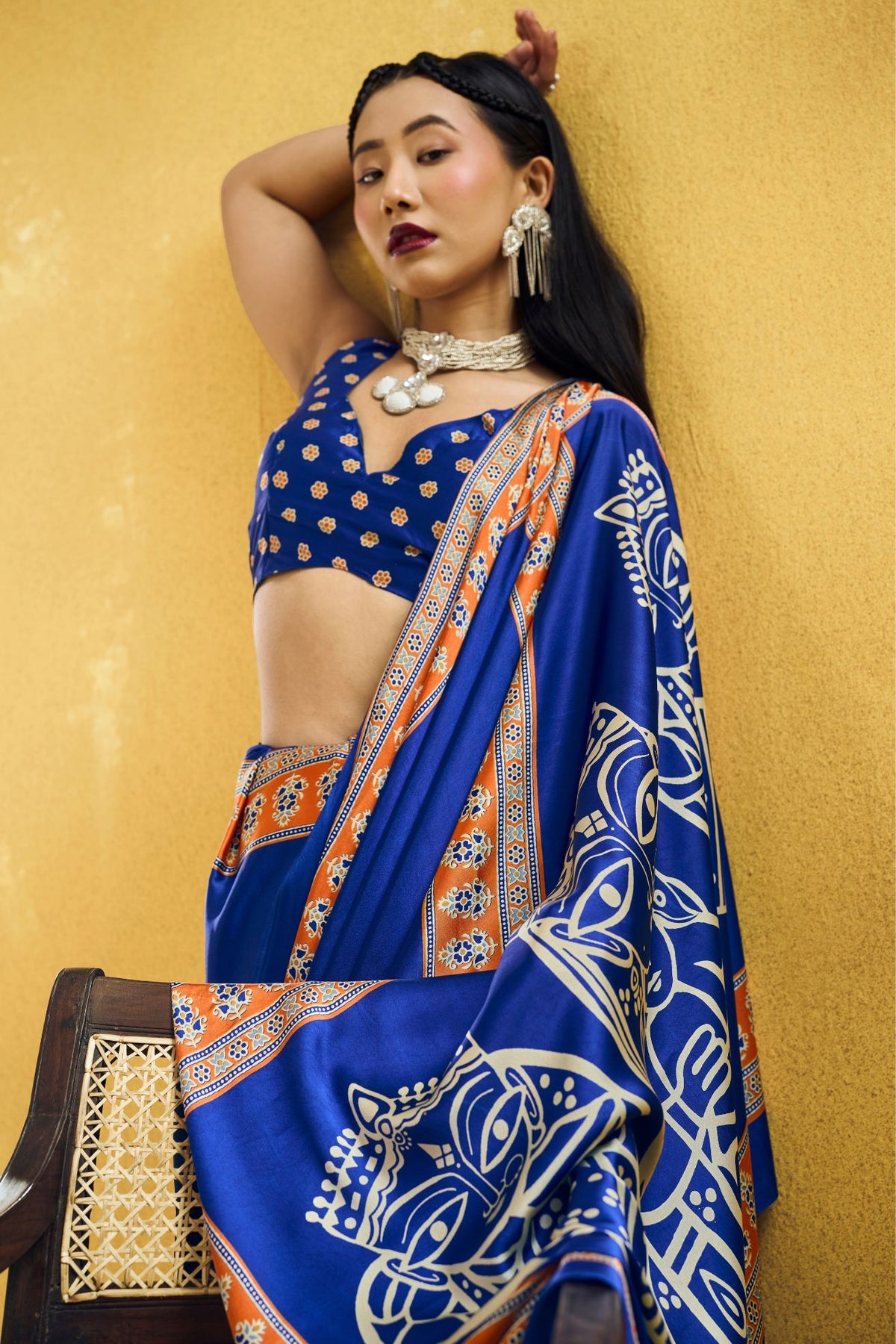
Royal Blue Modal Ajrakh Satin Printed Silk Saree
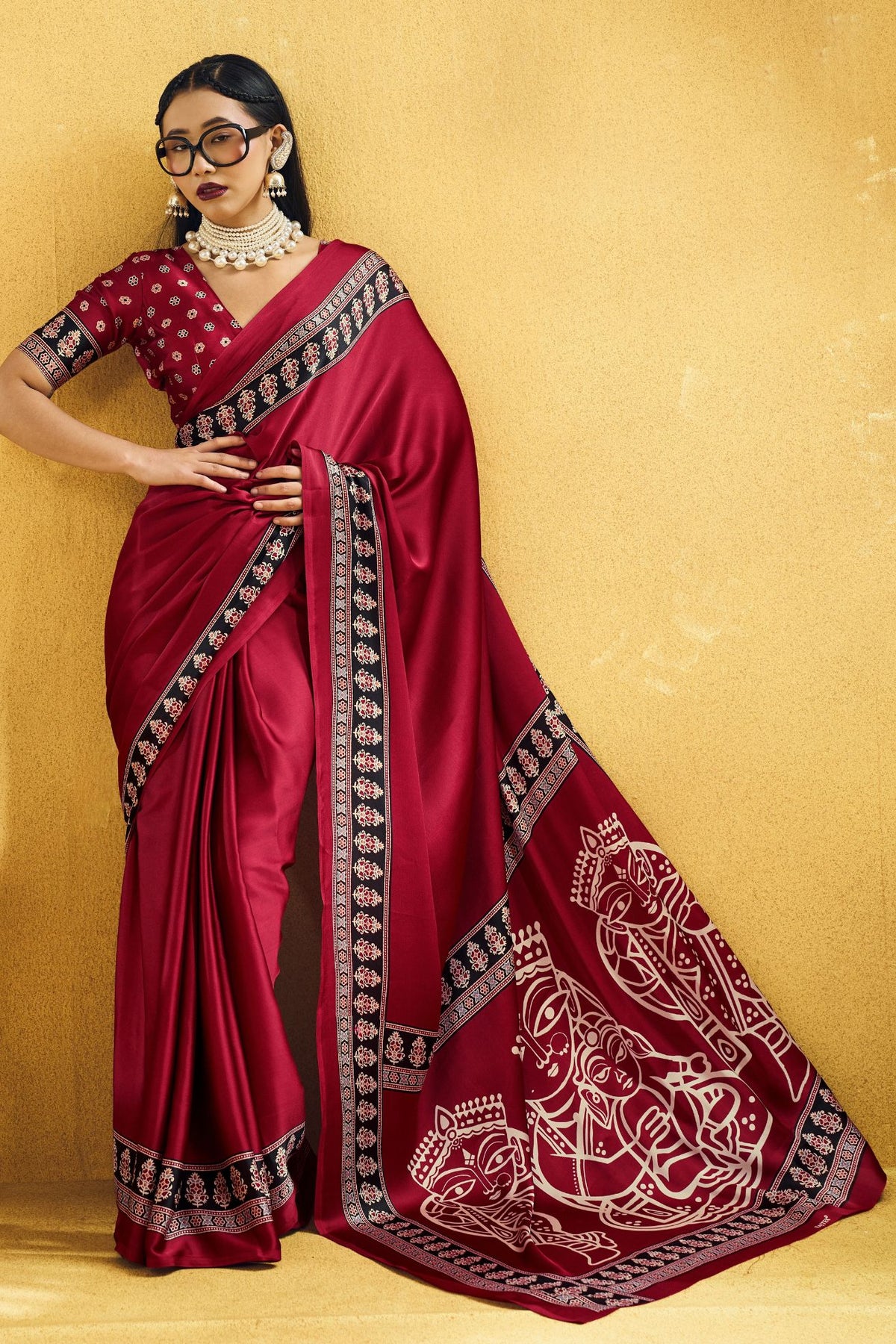
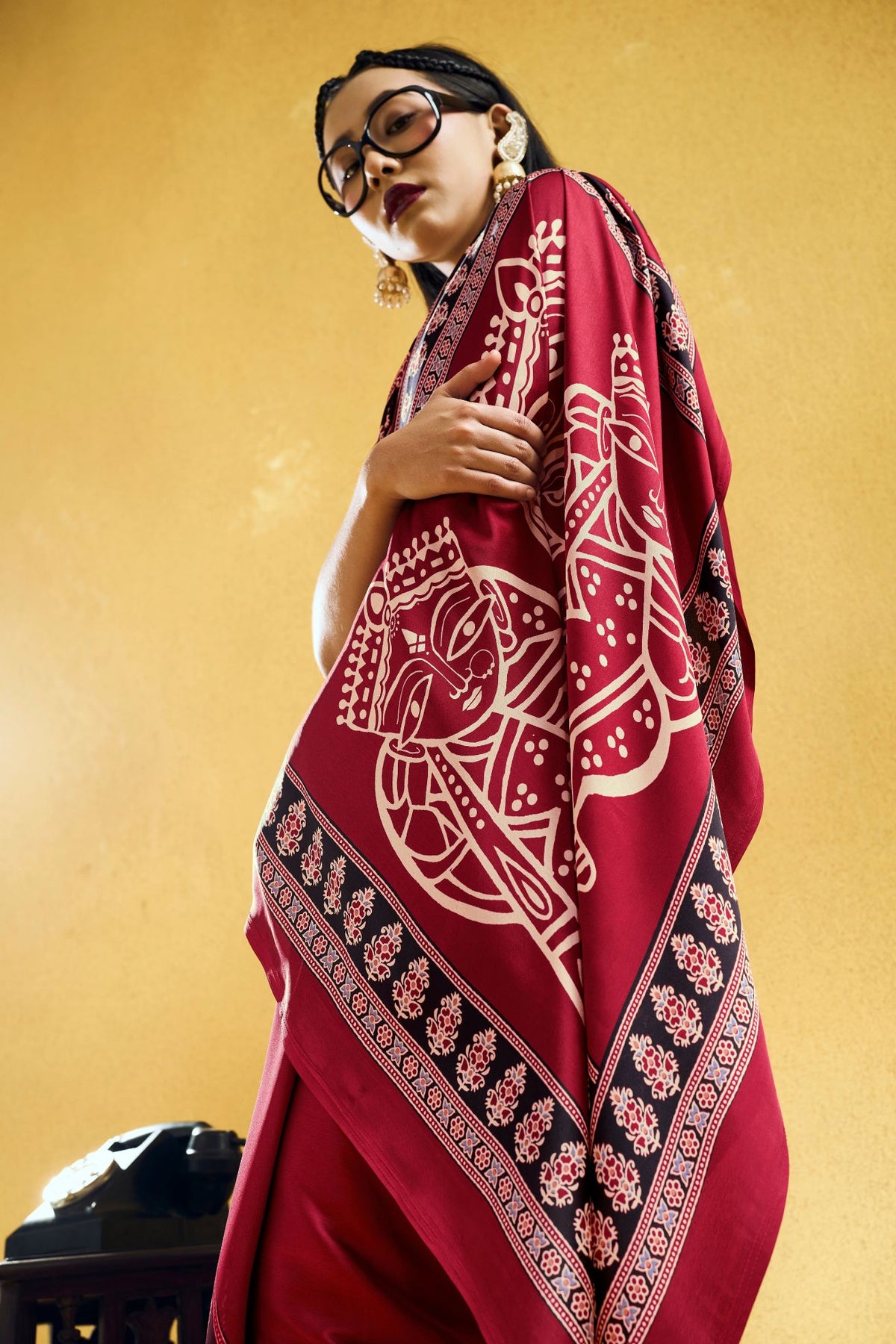
Ruby Red Modal Ajrakh Satin Printed Silk Saree
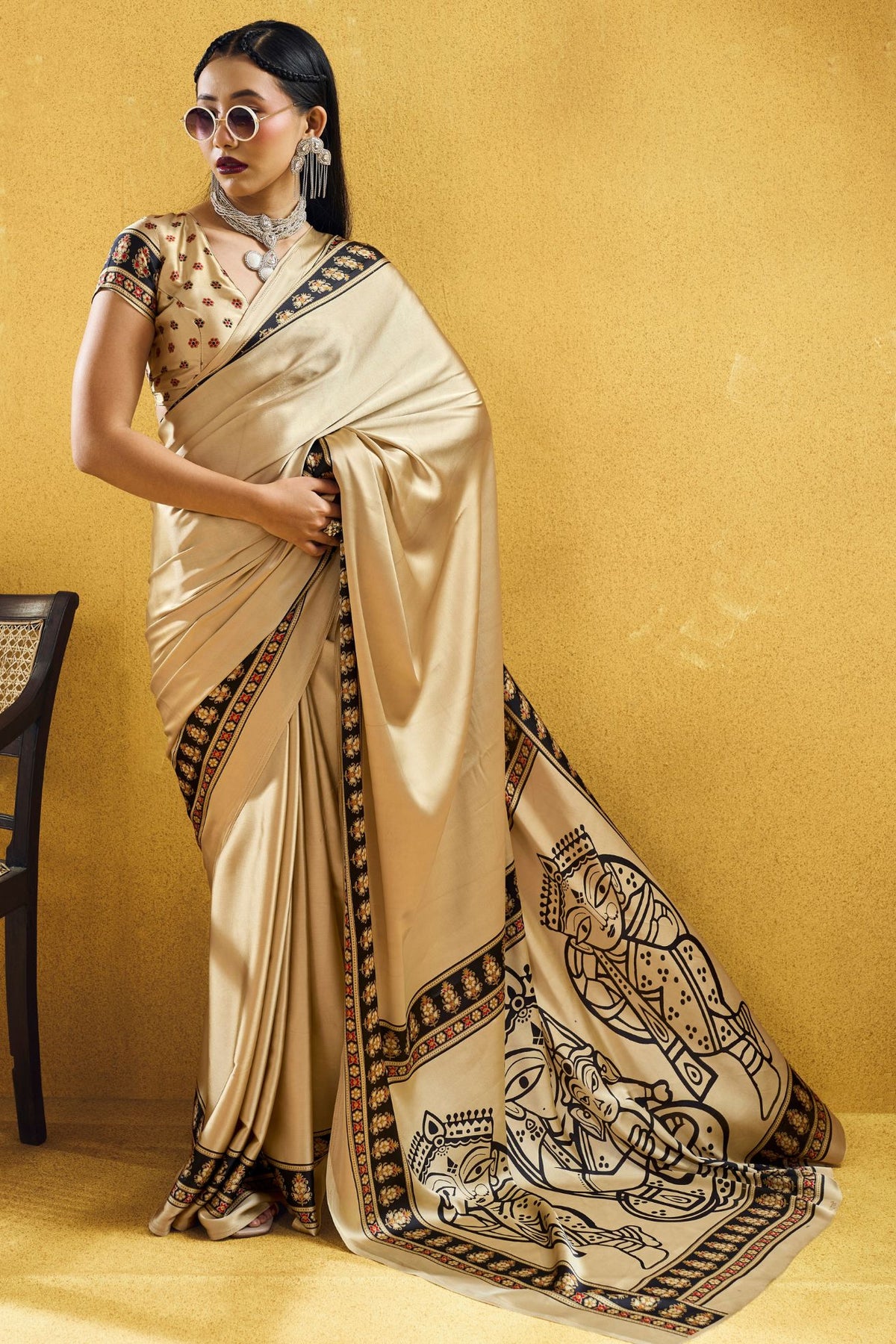
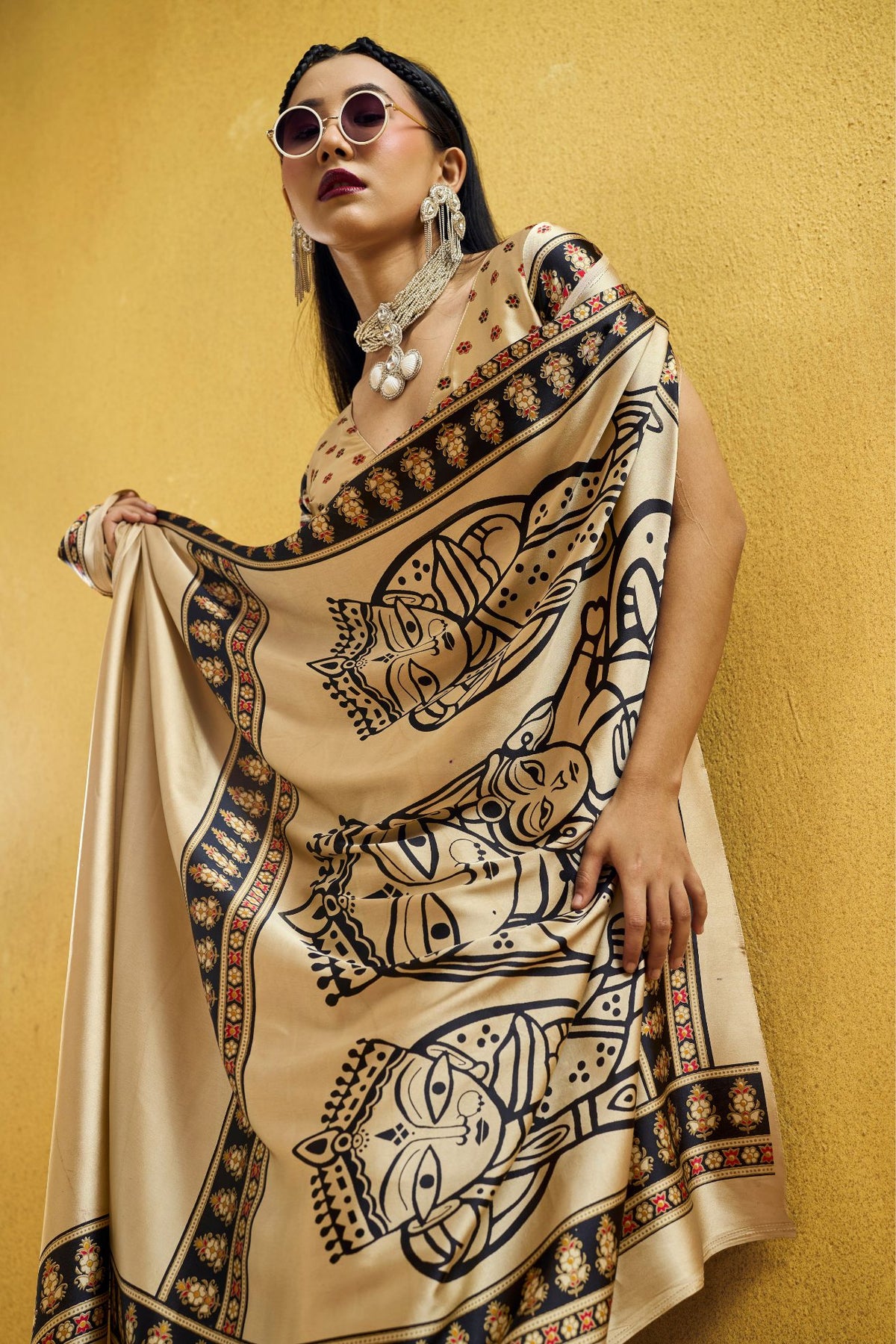
Champagne Cream Modal Ajrakh Satin Printed Silk Saree
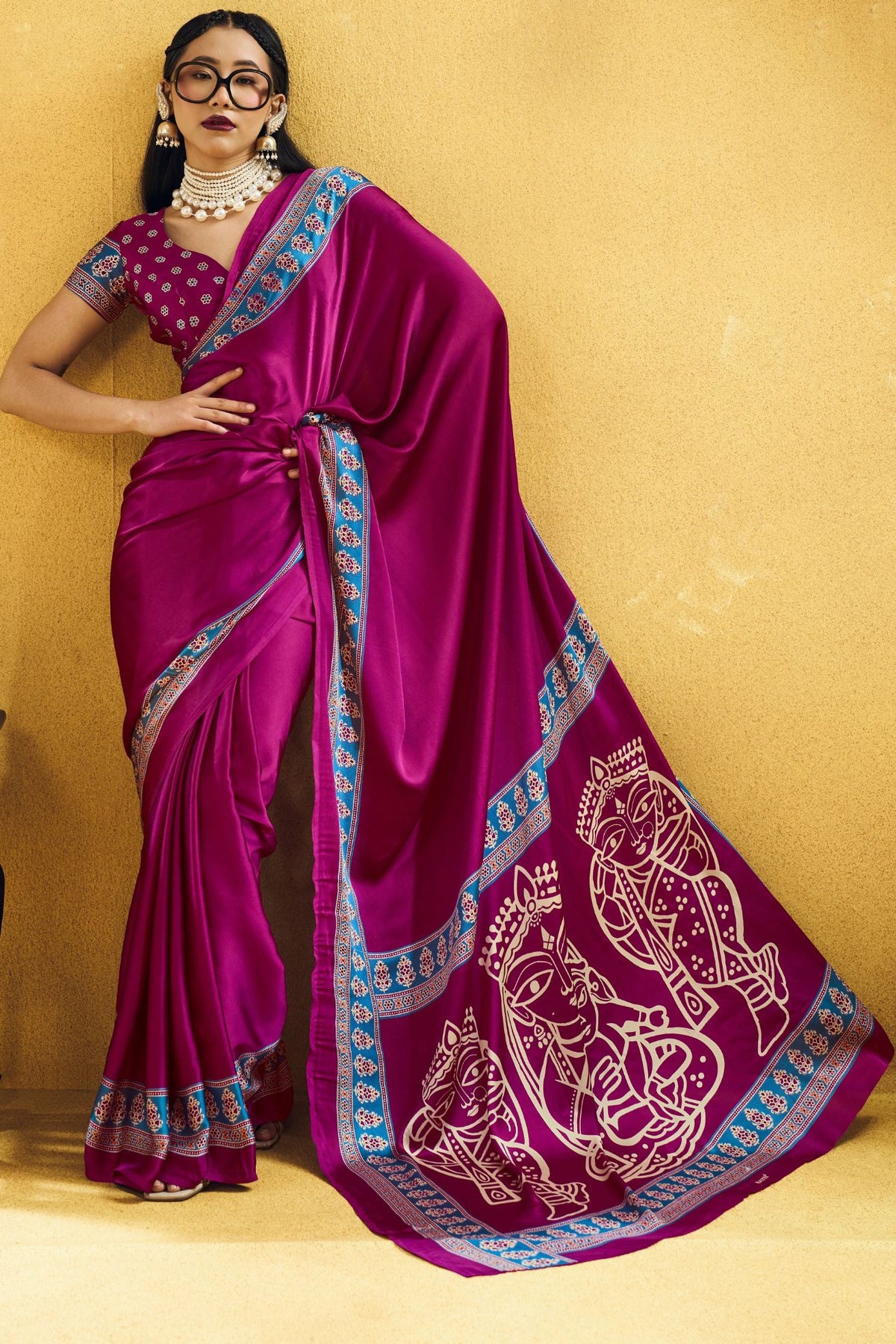
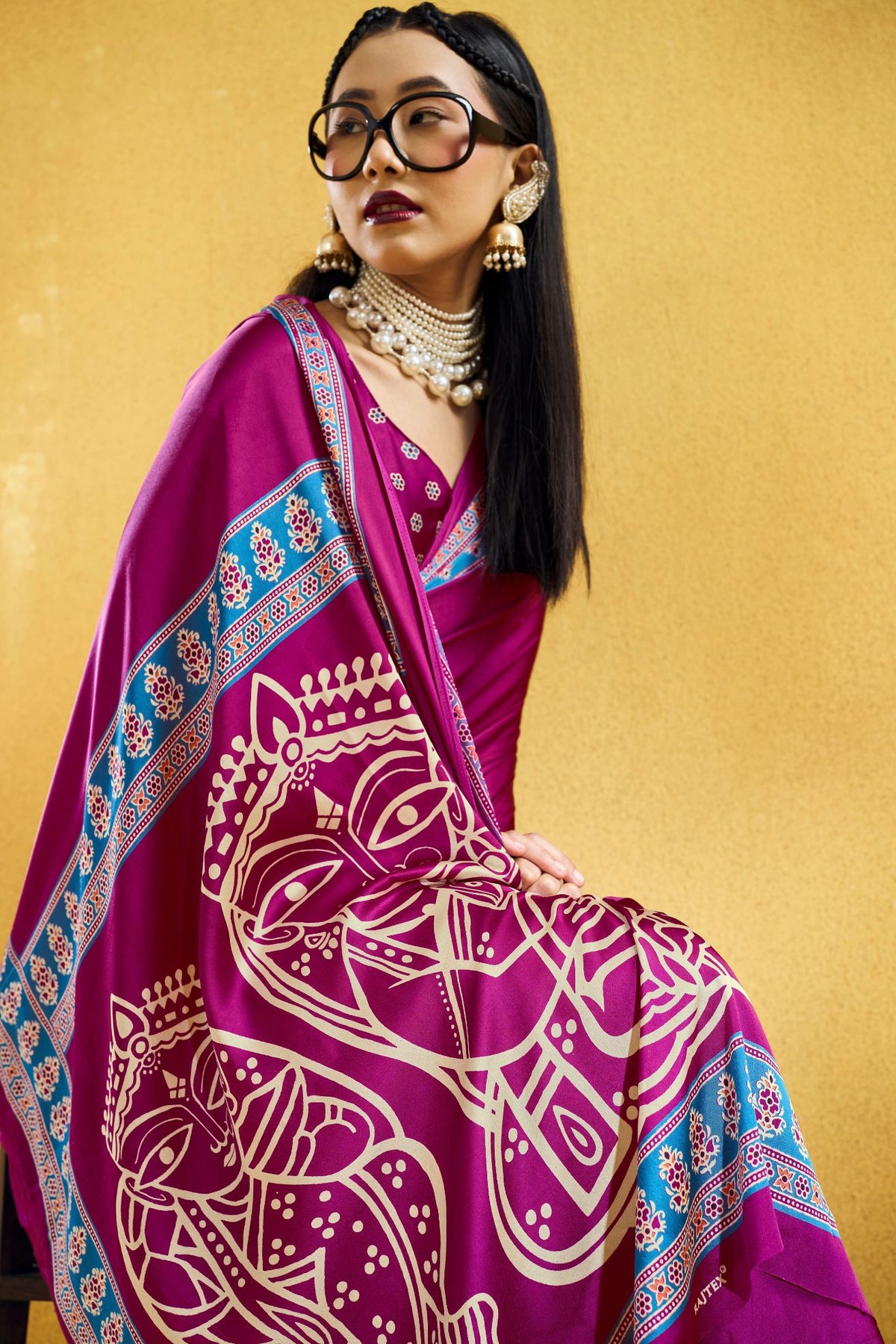
Plum Purple Modal Ajrakh Satin Printed Silk Saree
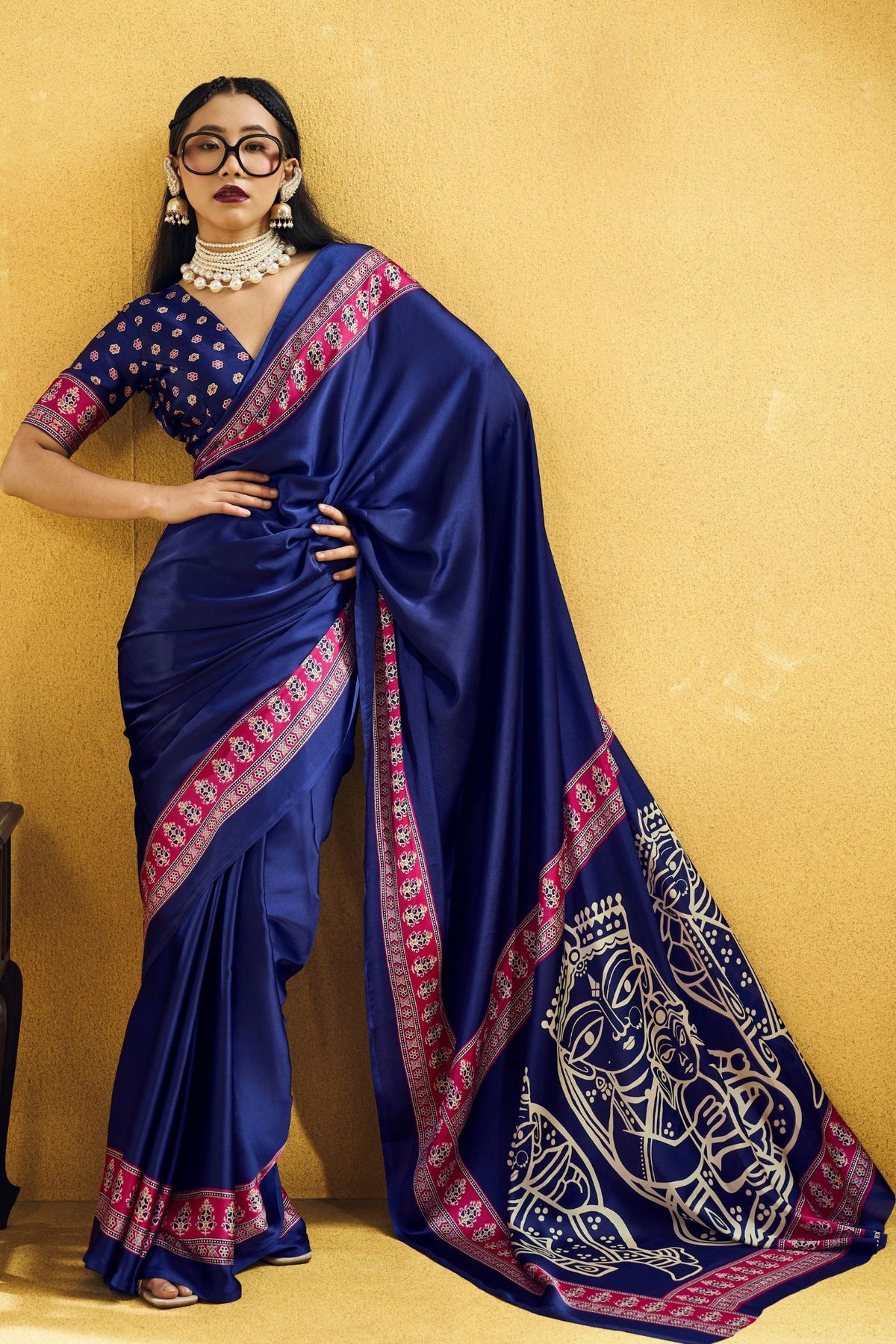
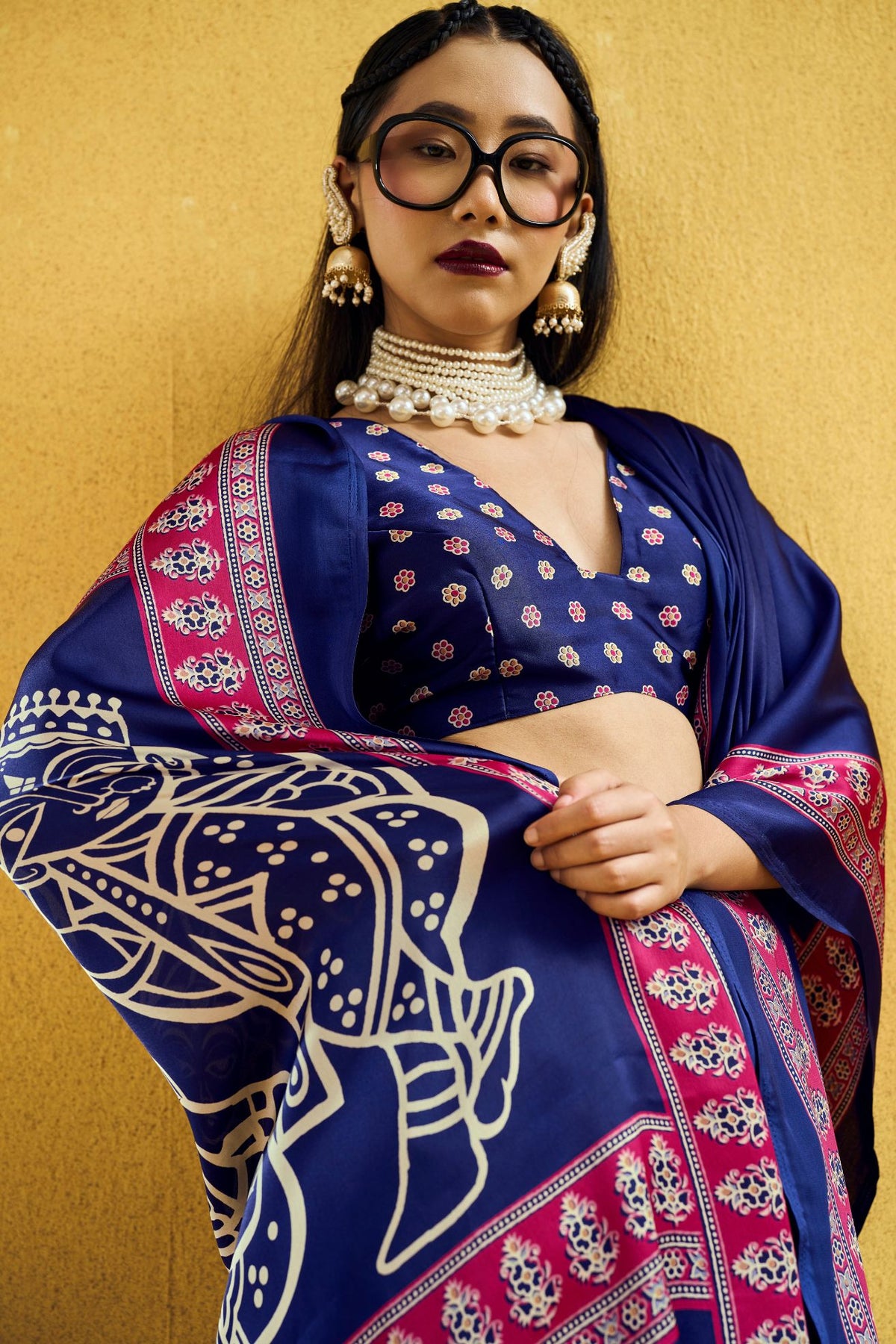
Azure Blue Modal Ajrakh Satin Printed Silk Saree
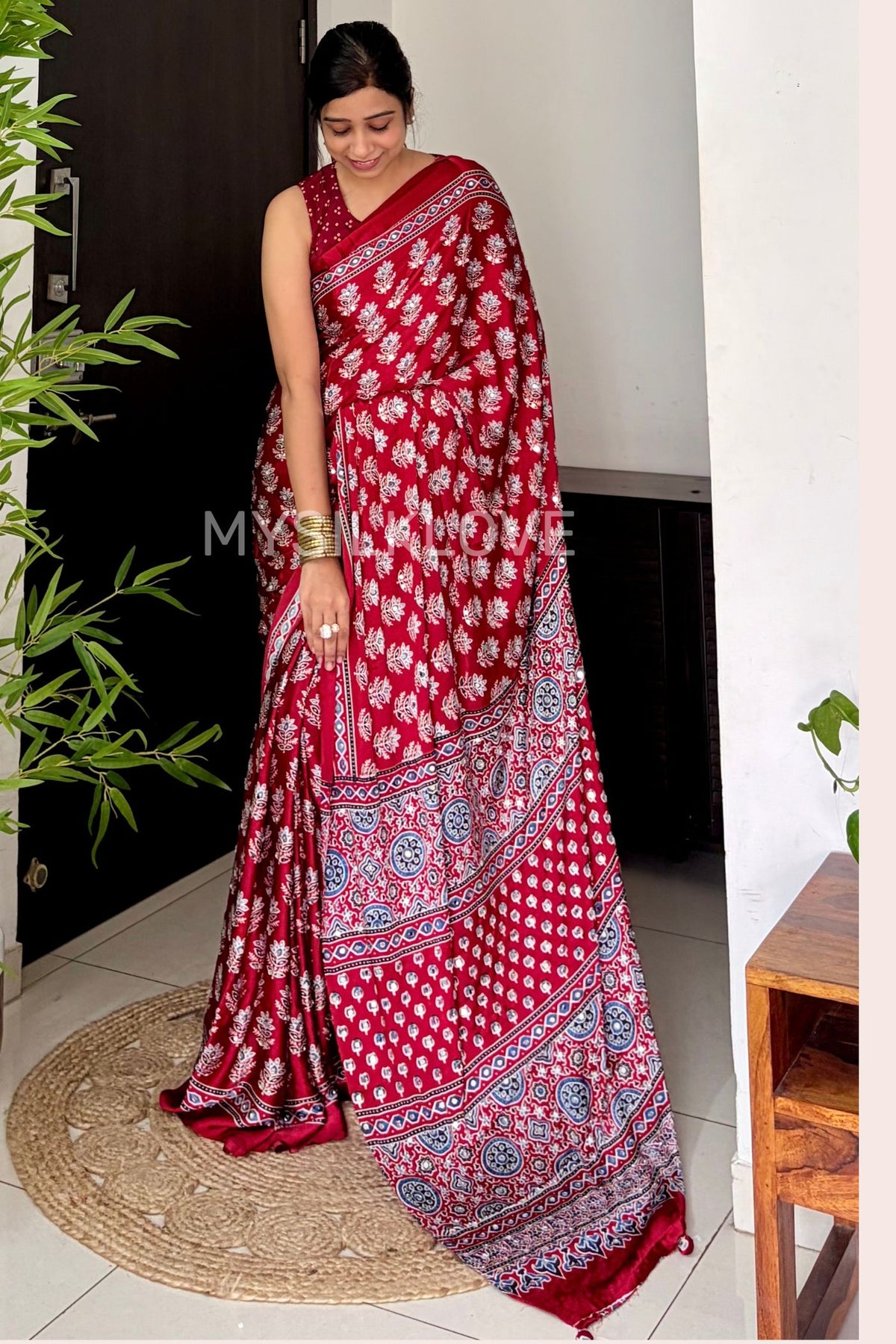
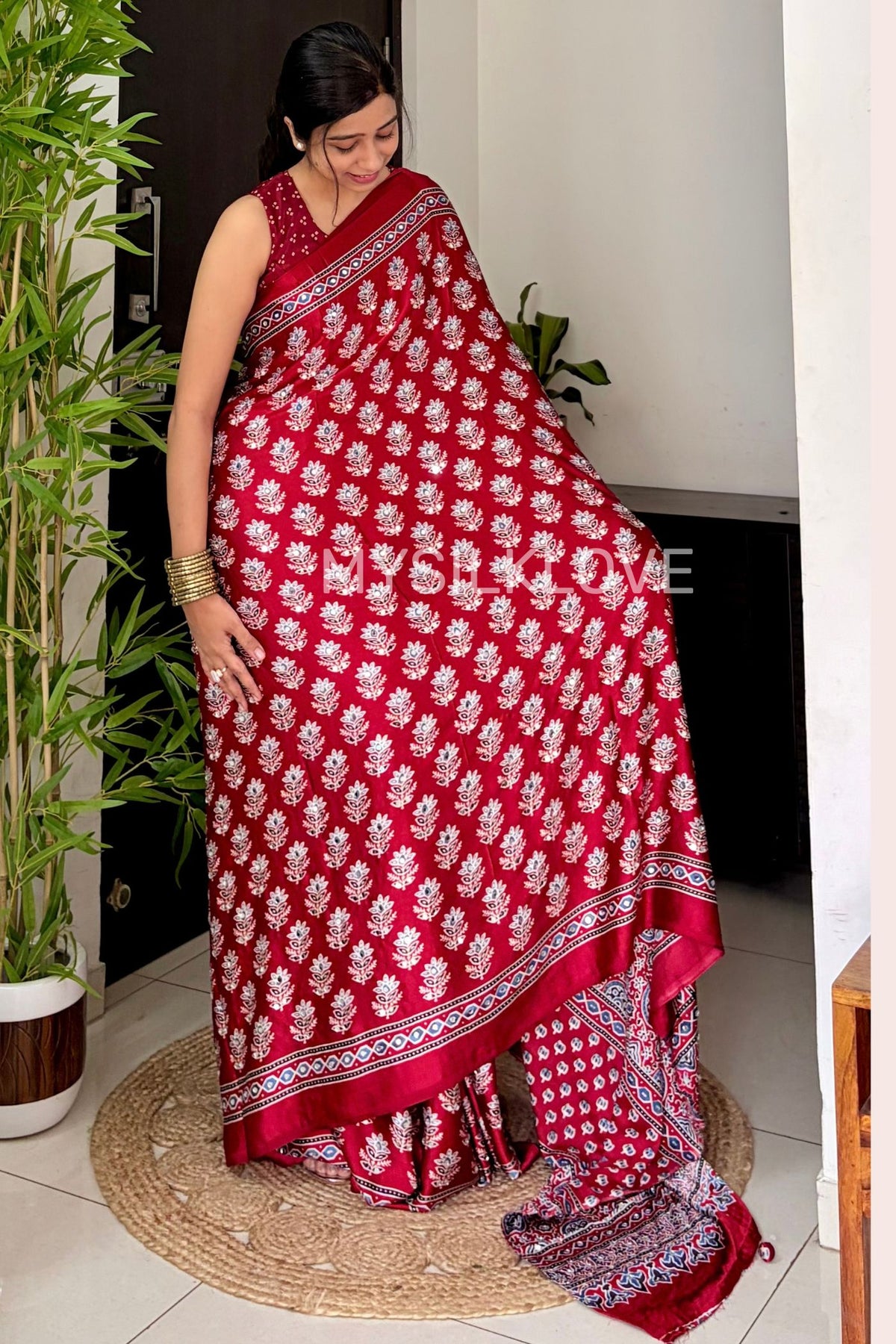
Poppy Red Modal Ajrakh Satin Printed Mirror Work Saree
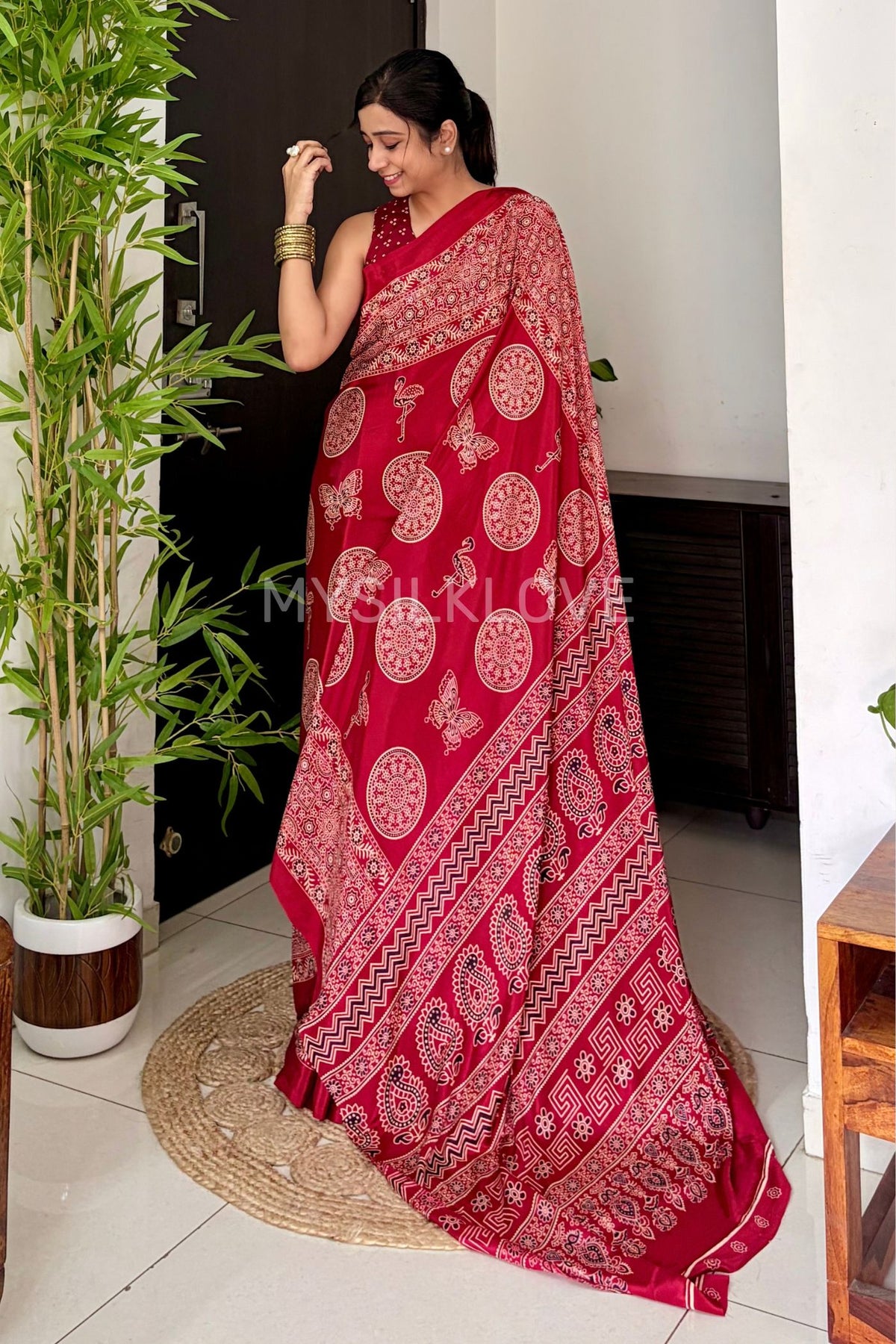
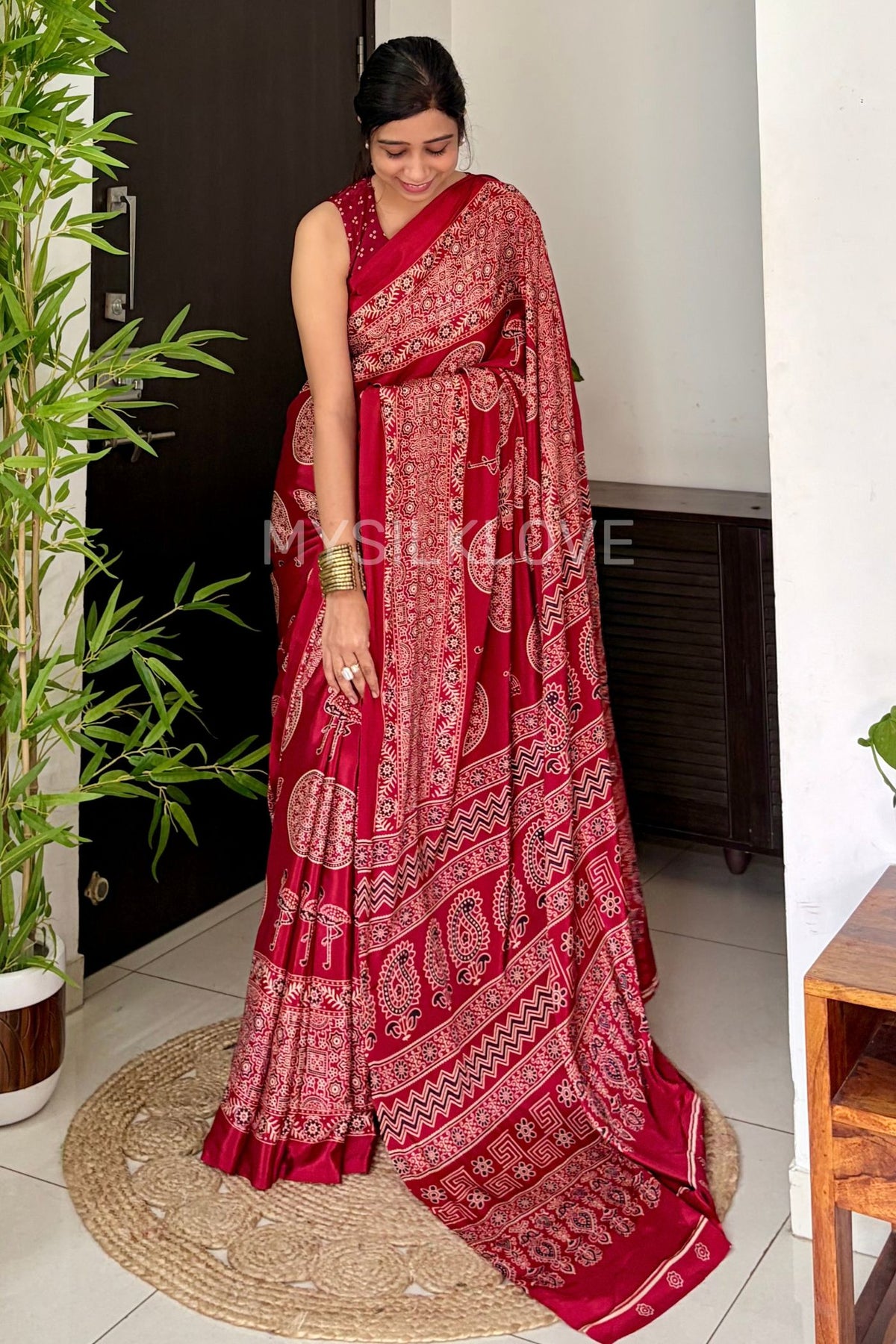
Rose Red Ajrakh Satin Printed Silk Saree
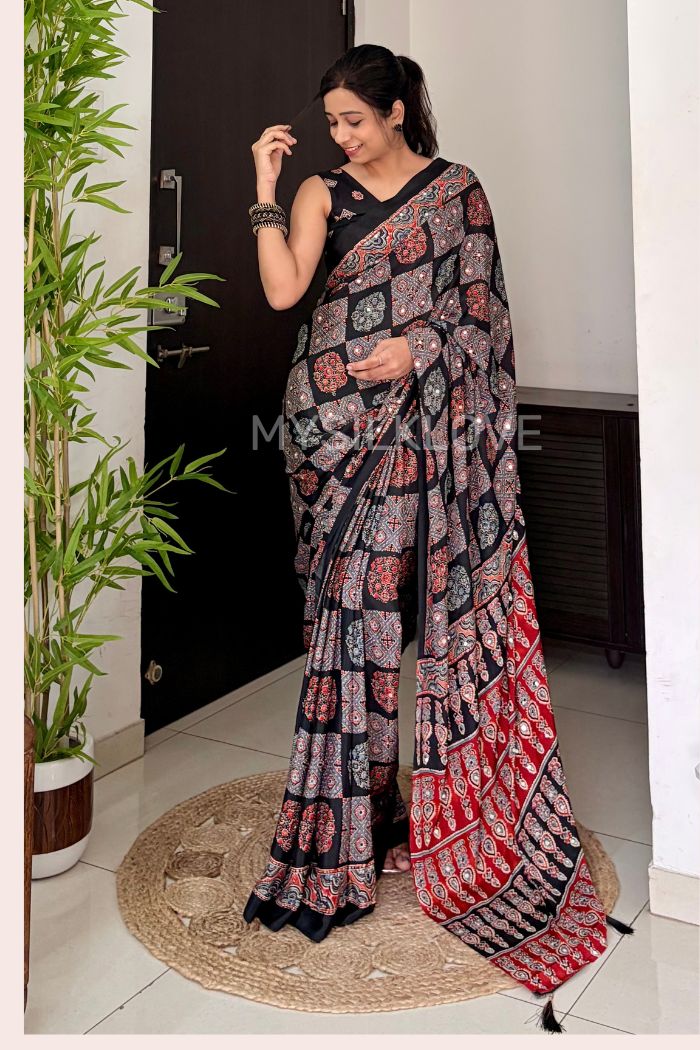
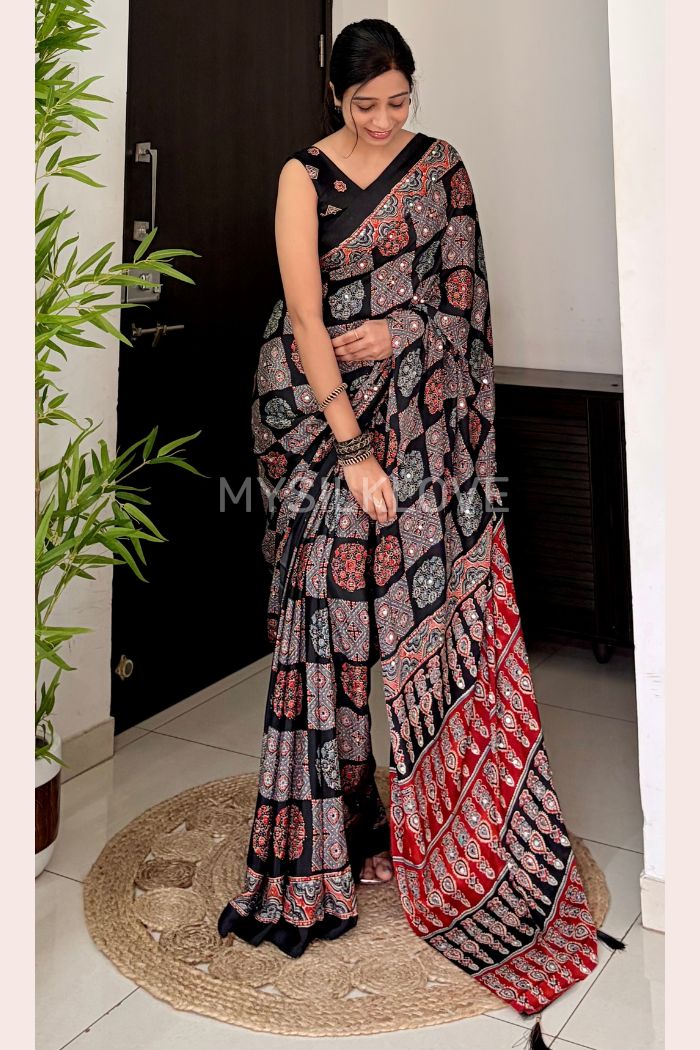
Flint Black Ajrakh Modal Mirror Work Satin Silk Saree
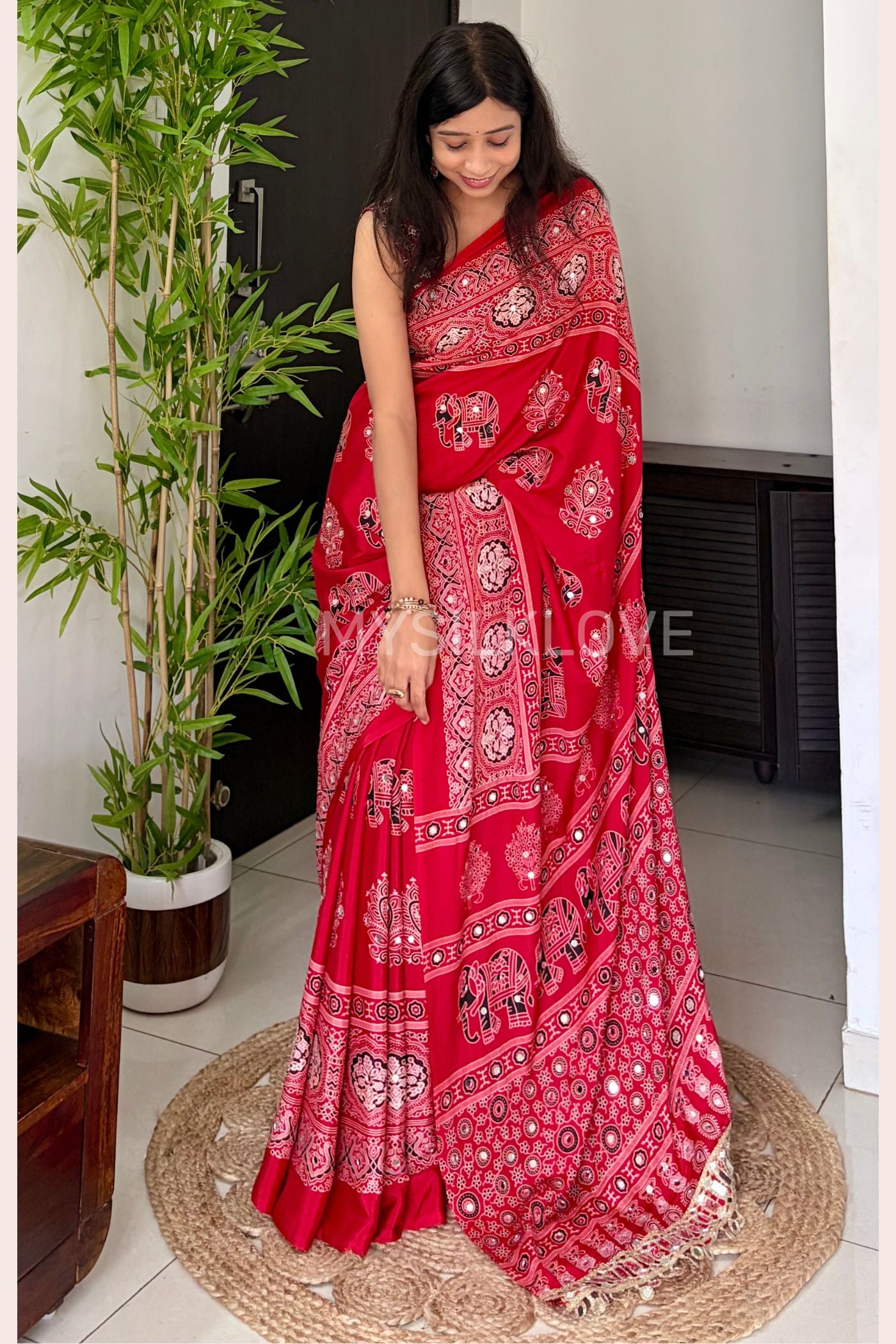
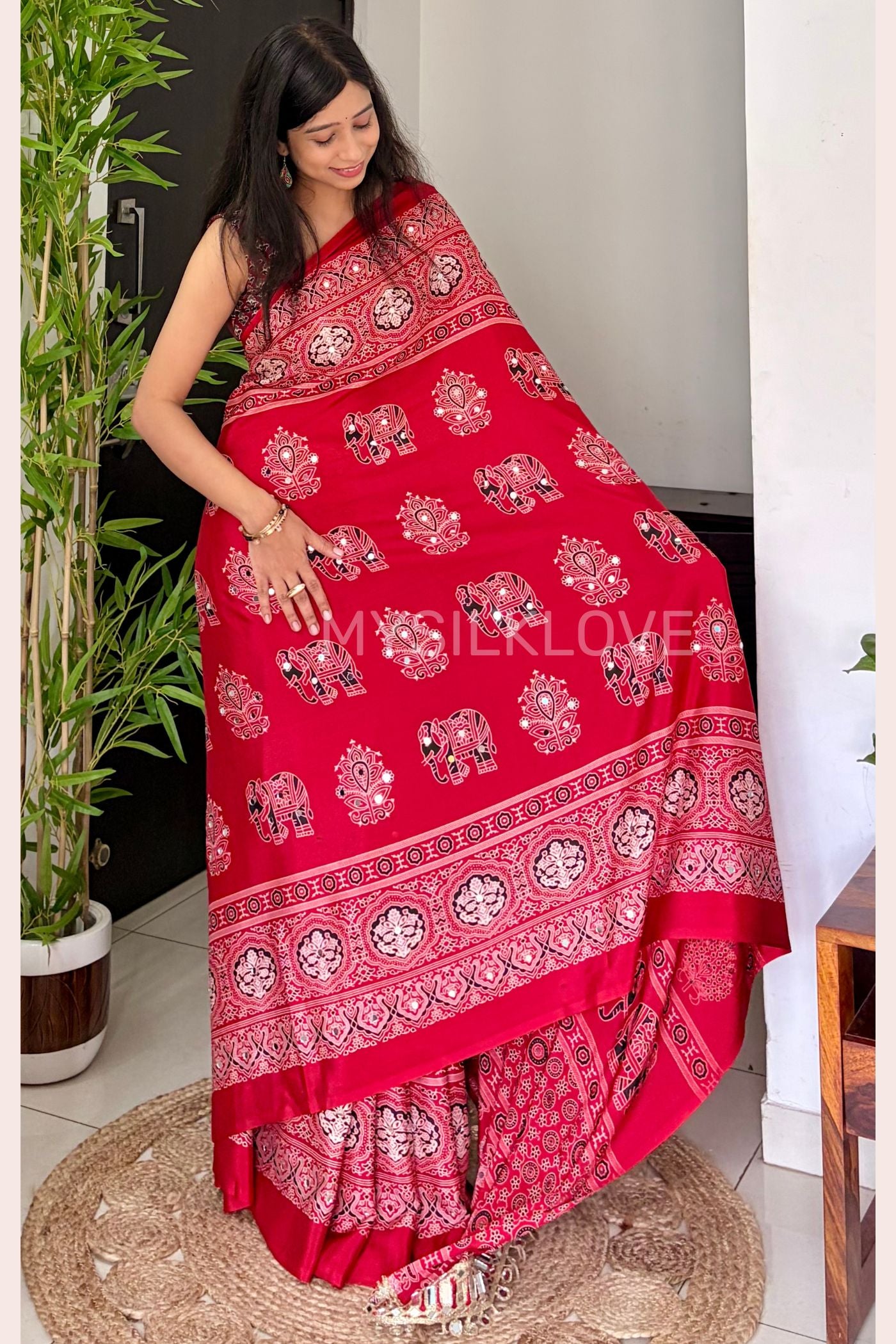
Jam Red Ajrakh Satin Printed Mirror Work Saree


Trombone Yellow Modal Ajrakh Printed Satin Silk Saree Without Blouse
Frequently Asked Questions — Ajrakh Sarees
What is an Ajrakh saree, and how can I tell genuine hand-block Ajrakh?
Ajrakh is a centuries-old resist block-printing tradition from Kutch in Gujarat and Sindh, built on natural dyes — indigo blue, madder red, black and cream — and geometric, symmetrical motifs printed by hand in many painstaking stages. Genuine hand-block Ajrakh shows tiny natural irregularities where the wooden blocks meet, a rich depth of colour from the natural dyes, and a pattern that is printed cleanly on both sides of better pieces. Screen-printed imitations look flat, perfectly repetitive and often print only on the front. The base cloth is usually cotton or a modal-cotton, not silk, and the smell of natural dye is earthy rather than chemical. At MySilkLove every Ajrakh listing states its base fabric honestly — cotton or modal — so it is never sold as something it is not, and each piece is sourced directly from weavers, backed by free worldwide shipping, COD, easy 7-day returns and WhatsApp assistance.
Why do Ajrakh saree prices vary, and what do they cost at MySilkLove?
Ajrakh pricing reflects how it is made: true hand-block Ajrakh with natural dyes goes through sixteen or more stages of printing, washing and drying, which costs far more than a screen-printed lookalike. The base fabric (fine cotton versus modal or a silk blend), the number of colours, and double-sided printing all add to the price. At MySilkLove the Ajrakh collection currently in stock starts at about ₹2,300, with most pieces between roughly ₹2,850 and ₹3,100 and finer, more intricately layered weaves up to roughly ₹9,850 — every listing labelled by base fabric. Those are regular list prices; seasonal offers apply automatically at checkout and often bring the amount you pay lower. Buying directly from Kutch printers keeps the price fair, cash on delivery is available, and our team can help you choose over WhatsApp.
How do I care for an Ajrakh saree so the natural dyes stay rich?
Because Ajrakh is coloured with natural dyes, gentle care keeps the indigo and madder deep for years. For the first two or three washes, hand wash separately in cold water with a very mild detergent — natural dyes release a little colour at first, which is normal, and a spoon of rock salt in the first soak helps set them. Never scrub, wring or soak for long, and keep the saree out of harsh direct sun, which fades natural dyes faster than synthetic ones. Dry in shade. Iron on a medium setting, ideally while slightly damp, pressing the reverse. Store the saree folded in a breathable cotton or muslin wrap rather than plastic, and refold along different lines periodically. Silk-blend Ajrakh is safest dry cleaned. Every Ajrakh from MySilkLove ships with care guidance, and our team can advise over WhatsApp.
When can I wear an Ajrakh saree, and how do I style it?
Ajrakh's earthy palette and geometric artistry give it a distinctive, contemporary-traditional look that works for daytime wear, work, festivals, art events and casual gatherings, while richer pieces suit daytime functions. The bold, symmetrical print is the star, so let it lead: pair the saree with a plain blouse in indigo, madder red, black or cream picked straight from the print, and keep jewellery artisanal — oxidised silver, terracotta, beads or tribal pieces suit Ajrakh far better than fine gold. A cotton Ajrakh holds a crisp, structured drape with neat pleats; a modal or blended one falls softer. Finish with a bindi and a sleek bun or an easy braid for an effortless, rooted look. Many Ajrakh sarees at MySilkLove include a coordinating blouse piece, and our team can suggest styling over WhatsApp.
How is Ajrakh different from Bagru, Dabu and Kalamkari block prints?
All of these are natural-dye textile traditions, but each has its own region, resist and look. Ajrakh, from Kutch and Sindh, is the most elaborate: cloth is printed with a lime-and-gum resist, dyed in indigo and madder, and passes through many stages, giving deep blues and reds with white geometric lattices, stars and jaal patterns, often printed on both sides. Bagru, from Rajasthan, uses a mud resist (dabu) with earthy ochre, black and indigo and looser floral or leaf motifs, usually on one side. Dabu is the mud-resist technique itself, so it appears within Bagru and some other prints. Kalamkari, from Andhra Pradesh, is drawn with a pen or printed with blocks and favours flowing vines, flowers and mythological scenes. A quick guide: dense symmetrical geometry in indigo and red points to Ajrakh; softer florals on earthy tones suggest Bagru; flowing figurative scenes suggest Kalamkari. Each Ajrakh at MySilkLove is sourced directly from artisans with its base fabric stated honestly, and our team can help you identify a print over WhatsApp.