
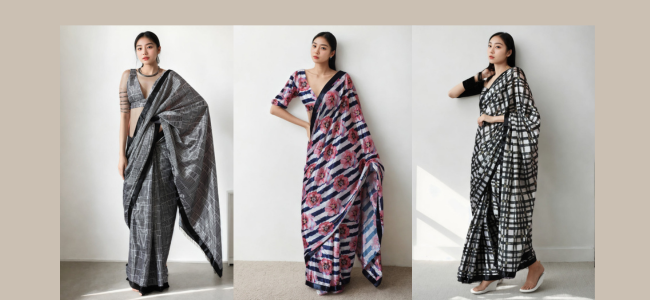
Pre-Draped Sarees Are Going Viral — But Are They Cheating?
Pre-draped sarees are not cheating — they're the smartest thing to happen to the six yards in a decade. The trend exploded in 2026 (one atelier reported a 60% jump in pre-stitched orders this year), and the internet is split down the middle: purists call it a shortcut, while everyone under 30 is quietly buying one. Here's my honest take after handling hundreds of drapes — and exactly when a pre-stitched saree is genius versus when it's a mistake.

What Exactly Is a Pre-Draped Saree?
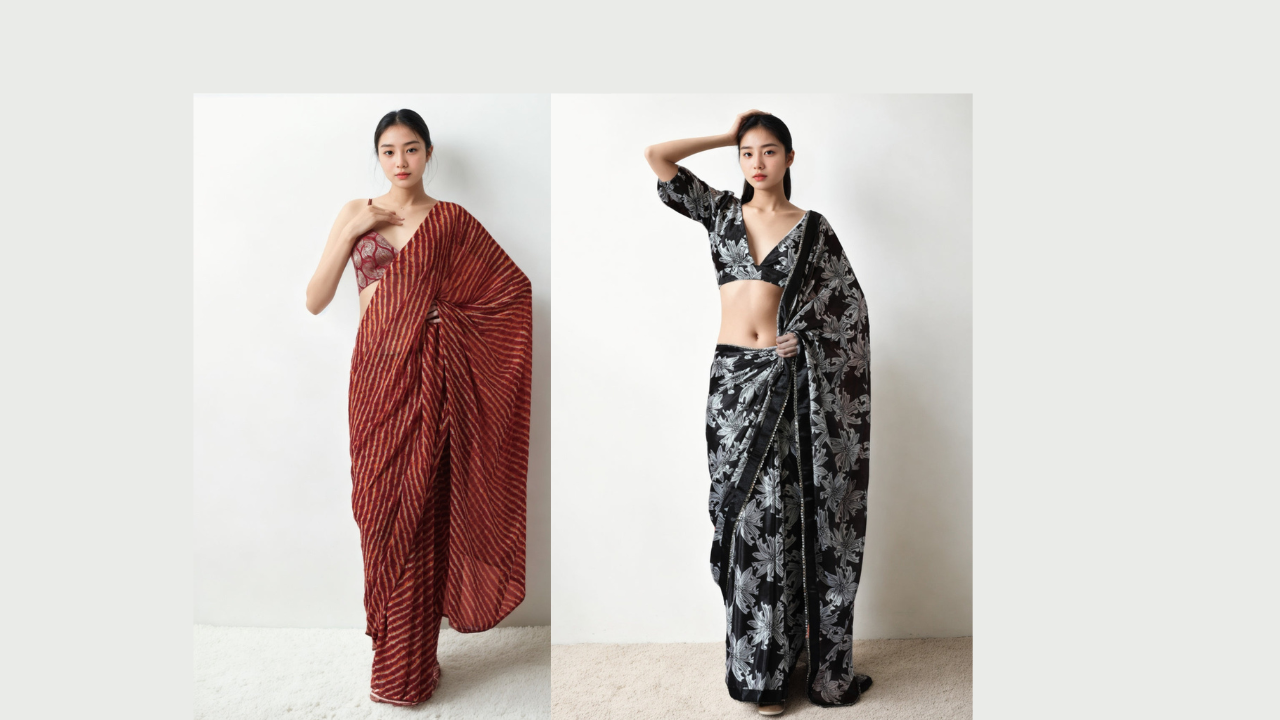
A pre-draped (or pre-stitched) saree comes already pleated and sewn into shape. You step in like a skirt, zip up at the waist, throw the pallu over your shoulder — and you're done. No safety pins digging into your waist, no 20-minute battle with a YouTube tutorial five minutes before the cab arrives.
The construction varies. Some are stitched onto a fitted skirt base; others come with a pre-set pleat panel and a separate ready pallu. The good ones are nearly indistinguishable from a hand-draped saree once you're standing. The bad ones look like a costume — and that difference is everything.
Why It Blew Up in 2026
Two things collided. First, designers like Tarun Tahiliani made pre-stitched aspirational rather than lazy — engineered drapes on global red carpets reframed the format as high fashion, not a hack. His atelier reportedly saw pre-stitched orders jump 60% this year.
Second, Gen Z simply doesn't have the patience their grandmothers did — and they're right not to. If a saree gets worn three times instead of staying folded in a cupboard because draping felt like a chore, the pre-stitched version wins. Fashion that actually gets worn beats fashion that intimidates.

The Honest Case Against (And Why It's Half Wrong)
The purist argument: a saree's beauty is the drape. Six yards of unstitched cloth that adapts to any body, any height, any mood — that's the genius of the garment. Stitch it down and you've turned poetry into a uniform.
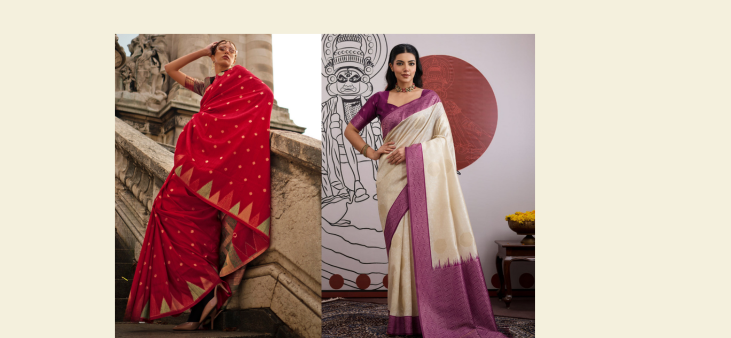
There's truth there. A hand-draped Kanjivaram with crisp, knife-sharp pleats has a presence no pre-stitched version fully replicates — the heavy silk falls differently when it's free. But here's where the argument collapses: most people draping at home aren't getting those crisp pleats anyway. A slightly uneven self-drape is not more "authentic" than a clean pre-stitched one. It's just messier.
When Pre-Draped Wins — And When It Doesn't
Buy pre-draped when:
- It's a high-movement occasion — sangeet, cocktail, a long workday — and you cannot babysit a pallu.
- The fabric is lightweight (georgette, chiffon, satin). These drape beautifully pre-stitched and weigh almost nothing.
- You're new to sarees and want the look without the learning curve. There's zero shame in this.
Skip pre-draped when:
- It's a heirloom-grade pure silk — a real Kanjivaram or Banarasi deserves a hand drape. The weight and zari behave better loose.
- The fit is fixed and you're between sizes. An unstitched saree forgives a bad day; a stitched one does not.
- The stitching looks cheap. A visibly sewn-down pleat fan is the tell that ruins the whole look.
My actual opinion? A lightweight georgette like our Monsoon Blue Georgette Sequins Saree is the perfect candidate for a pre-stitched treatment — the fabric is light, the sequins do the talking, and you genuinely cannot tell once it's on. The same goes for the breezy Dallas Green Woven Georgette Saree if you want something quieter for daywear.

How to Spot a Good One Before You Buy
The single biggest tell is the pleat fan. On a quality pre-draped saree the pleats should look like they were tucked, not glued — slightly soft at the top, fanning naturally. Run your hand down them; if they feel stiff or cardboard-flat, walk away. Also check the waist closure: a side zip or hook that sits flat beats a drawstring that bunches. And always confirm the fabric matches the photos — georgette and chiffon photograph forgivingly, so a too-shiny polyester can hide in product images. (If you're shopping unstitched sarees instead, our silk saree buying guide covers the authentication tests worth knowing.)

FAQs
Are pre-draped sarees considered fake or disrespectful?
No. A pre-draped saree uses the same fabric and silhouette as a traditional one — it's only the draping that's pre-set. It's a convenience format, not a counterfeit. Designers like Tarun Tahiliani have made it red-carpet appropriate, so the cultural stigma is fading fast.
Can you tell the difference between pre-draped and hand-draped?
With a well-made one, rarely. Lightweight georgette and chiffon pre-stitched sarees look identical to hand-draped once worn. Heavy pure silks are the exception — the loose drape on a real Kanjivaram falls in a way stitching can't fully copy.
Are pre-draped sarees good for beginners?
They're ideal for beginners. You get the full saree look without learning to pleat or pin, and you can wear it confidently in under two minutes. Start with a lightweight pre-stitched saree, then graduate to hand-draping once you're comfortable.
Shop lightweight printed and georgette sarees at MySilkLove →
The light, fluid shelves this look wants
The printed edit is already linked in the line above, so these are the other three fabrics and occasions the guide names. Browse chiffon sarees — the FAQ singles chiffon out as the fabric that reads identical pre-stitched or hand-draped. Explore satin sarees, the third fabric on the "buy pre-draped when" list. For the sangeet-and-cocktail occasions at the top of that same list, see the reception saree edit. And several of the sarees featured above are blues — the Bismark, the Monsoon and the Multicolor Chinon — so if that is the palette you came for, shop blue sarees.
...)
Leave a comment
This site is protected by hCaptcha and the hCaptcha Privacy Policy and Terms of Service apply.