
Ashadhi Ekadashi 2026: What to Wear for Pandharpur Wari (Saree Guide)
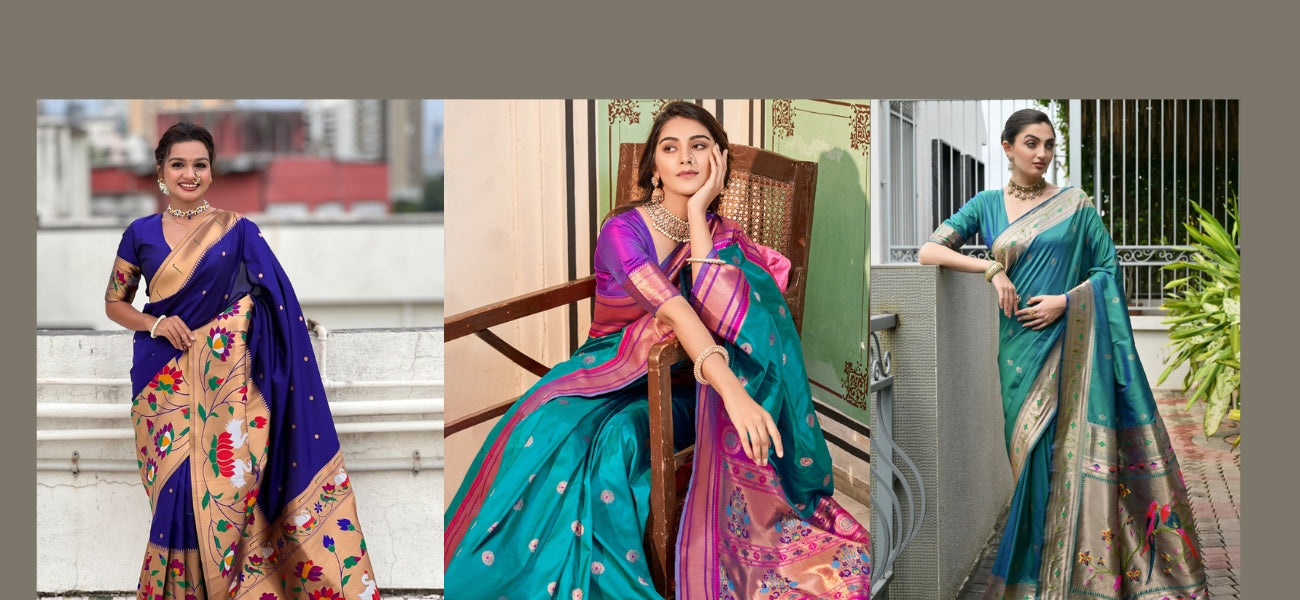
Ashadhi Ekadashi 2026 falls on Saturday, July 25. For the day itself — Vitthal darshan, the temple visit, or simply observing the vrat at home — the traditional choice is a yellow, peacock-green or marigold-gold silk saree, because those are the colours Warkaris associate with Lord Vitthal and the abir-bukka they carry to Pandharpur. If you're actually walking any stretch of the Wari, the answer changes entirely: you want a lightweight cotton or cotton-silk Nauvari, not a heavy zari Paithani. Here's exactly what to wear for each version of the day.
A quick note that most generic festival guides get wrong: the Pandharpur Wari is not a fashion event — it's an 18-to-21-day foot pilgrimage of over a million Warkaris. So "what to wear" has two completely different answers depending on whether you're walking or watching. I'll cover both.

If You're Doing Vitthal Darshan or the Vrat at Home
This is where silk earns its place. Ashadhi Ekadashi is the single most emotional day in the Maharashtrian devotional calendar — the day the Wari reaches Pandharpur — so the dressing is celebratory but rooted, never flashy.
Go for a Paithani. The Paithani is Maharashtra's GI-tagged crown jewel, woven in Yeola and the town of Paithan with a signature Muniya (parrot) border and the peacock-and-lotus pallu. A genuine handwoven Paithani uses the tapestry technique — the motif looks identical on both sides, with no floats on the reverse. That's the single fastest authenticity check: flip the pallu over. If the peacock looks messy on the back, it's a powerloom copy.
The Sycamore Green Titli Royal Paithani is a near-perfect Ashadhi pick — peacock green reads beautifully against gold temple lighting, and the Muniya border is exactly the traditional detail elders look for. Pair it with antique gold temple jewellery and you're dressed correctly without trying too hard.

The Right Colours for Ashadhi Ekadashi
Colour matters more than fabric here, because the palette is tied to Vitthal worship — not just "festive" generic gold. Lean into these:
- Marigold yellow and turmeric gold — the abir-bukka and zendu (marigold) garlands of the Wari; the most authentic choice of all.
- Peacock green — echoes the Paithani pallu and Vitthal's traditional iconography.
- Tulsi green and deep purple — Tulsi is sacred to Vitthal-Rukmini; a Puce Purple Kanjivaram in pure mulberry silk works if you want a South-silk drape instead of a Paithani.
- Off-white with a gold border — quiet, vrat-appropriate, and elder-approved for the fasting day.
Avoid black, and go easy on heavy reds — those read bridal, not devotional, and feel out of step on a fasting day.

If You're Walking the Wari (Even a Short Stretch)
Here's the part the glossy guides skip. A nine-yard handwoven Paithani can weigh 700–900g and the zari border digs in over hours — you will regret it by kilometre three. The Warkari women who walk every year are wise about this: they wear a light cotton or cotton-silk Nauvari (the nine-yard Maharashtrian drape) precisely because it lets you stride, climb, and sit on the ground without restriction.
If you're joining even a short leg, choose a soft, breathable saree, drape it Nauvari-style (the dhoti-like back tuck that frees your legs), and skip anything with a stiff border or sequins. Comfort is devotion here, not a compromise.

How to Style It Without Overdoing It
The Ashadhi aesthetic is restraint. A few rules that actually hold up:
- Jewellery: Maharashtrian classics — nath (nose ring), thushi (gold choker), green glass bangles. One statement piece, not all three at full volume.
- Hair: A bun with gajra (mogra), or a simple plait. The whole look should feel like it belongs in a temple courtyard, not a reception.
- Blouse: A contrast gold or maroon blouse lifts a green or yellow saree instantly. Match the blouse to the border, not the body.
FAQ
What colour saree should I wear on Ashadhi Ekadashi?
Marigold yellow, turmeric gold, and peacock green are the most traditional, as they tie to Vitthal worship and the Wari's marigold garlands. Tulsi green and off-white with a gold border also work well for the fasting day. Avoid black and heavy bridal reds.
Is a Paithani saree appropriate for Ashadhi Ekadashi?
Yes — a Paithani is the most traditional Maharashtrian silk for this day, with its Muniya border and peacock pallu. Wear it for temple darshan or the vrat at home. If you're walking any part of the Wari, switch to a lightweight cotton Nauvari instead.
When is Ashadhi Ekadashi in 2026?
Ashadhi Ekadashi (Devshayani Ekadashi) falls on Friday, June 26, 2026. It marks the day the Pandharpur Wari pilgrimage reaches Pandharpur, and is one of Maharashtra's largest and most emotional religious observances.
Looking for the right occasion saree this season? Read our full saree occasions guide for fabric-by-event recommendations.

Shop Paithani sarees at MySilkLove →
Shop the Look for Ashadhi Ekadashi
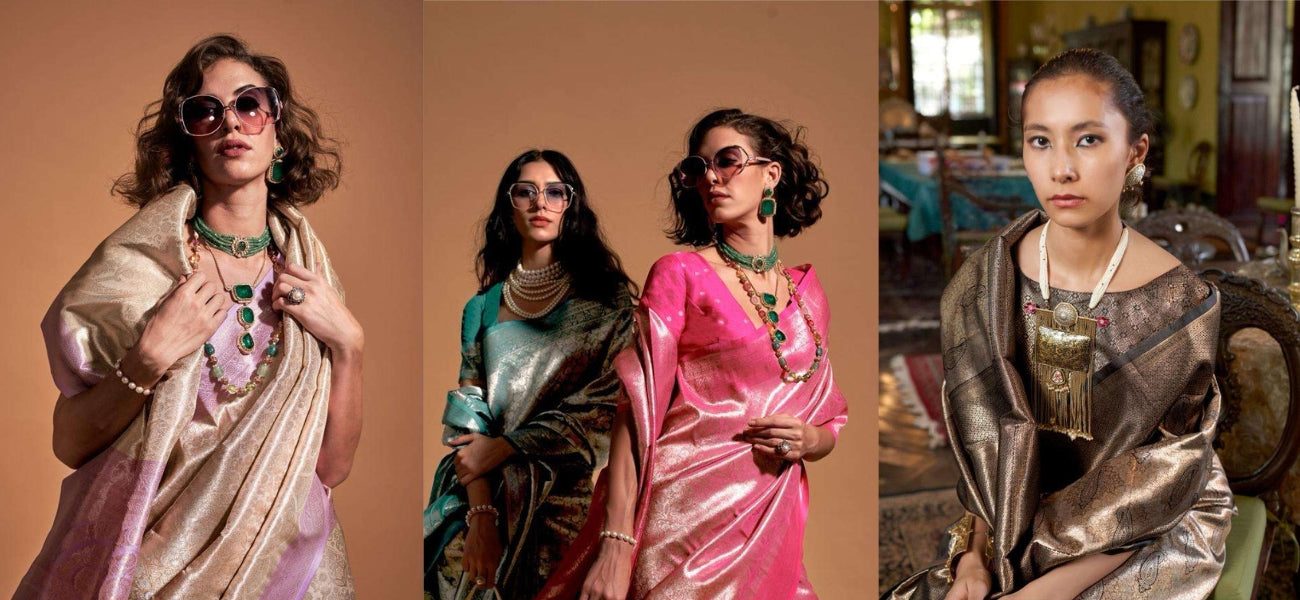
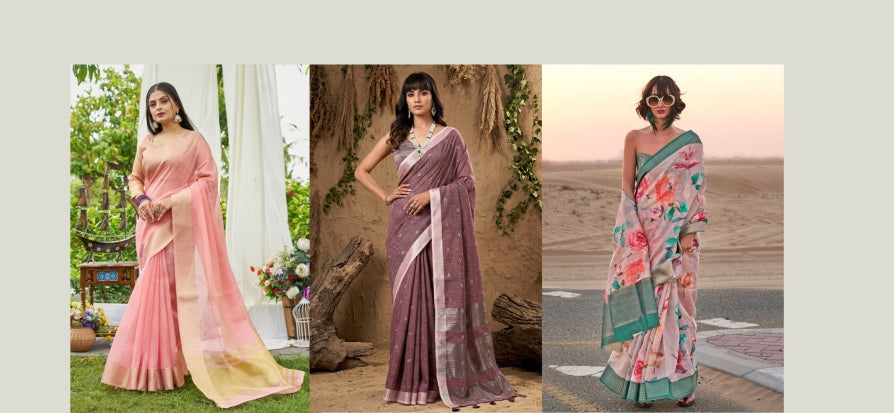
Dressing for Vitthal darshan or the vrat at home? Start with our Paithani sarees collection for the Muniya-border, peacock-pallu weaves that are the gold standard for this day — filter by yellow or green to match the Wari palette. For the full range of Nauvari and regional drapes, browse our Maharashtrian sarees collection, and for the wider mulberry-silk options across weaves and budgets, explore our silk saree collection.

Leave a comment
This site is protected by hCaptcha and the hCaptcha Privacy Policy and Terms of Service apply.