
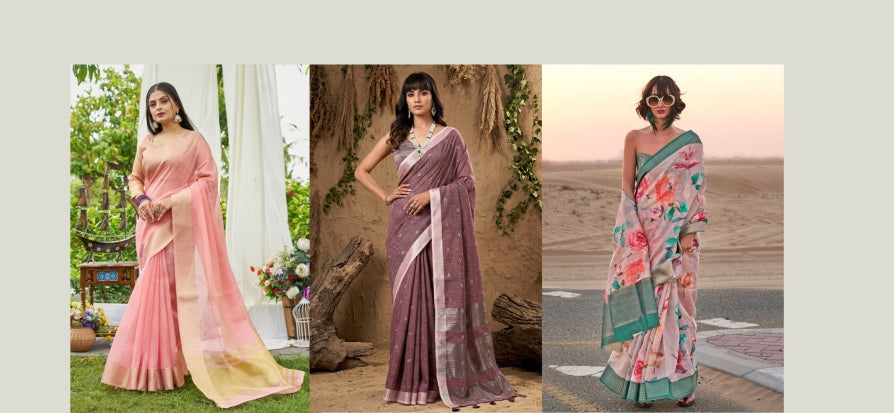
Chanderi Silk Sarees: The GI-Tagged Weave That Beats Banarasi for Office Wear
A genuine Chanderi silk-cotton saree weighs about 350–400 grams — roughly half a Kanjivaram. That single fact explains why working women across North India have quietly made it their weekday uniform while Banarasi stays for the wedding season.
Chanderi got its GI tag in 2005 (India's 4th ever GI-tagged product), but it's been woven in Madhya Pradesh's Chanderi town for over 700 years. Here's everything you need to know before buying one.

What Actually Makes a Chanderi Saree a Chanderi
Chanderi is woven on pit looms — the weaver literally sits in a pit dug into the floor of their home, feet working the treadles below ground level. This isn't theatre; the pit keeps humidity stable so the fine threads don't snap.
The classic Chanderi is a silk-cotton blend: silk warp (the vertical threads) with a cotton weft (horizontal). This combination gives it the characteristic sheerness — you can almost read text through a plain Chanderi — while the cotton weft gives it structure that pure silk lacks. The result drapes like water, doesn't cling in heat, and breathes better than most fabrics at this price point.
The signature motifs are coin butis (small circular gold motifs scattered across the body), peacocks, and geometric borders. These are woven in using the kadwa technique — a supplementary weft method where the zari thread is introduced alongside the main weft during weaving, not embroidered on after. A saree with dense kadwa buti work takes 12–20 days to complete on a single loom.

Chanderi vs Banarasi: The Honest Comparison
Here's the thing nobody tells you: Chanderi and Banarasi are solving different problems. Banarasi is opulence architecture — it's built to make you look regal at a wedding. Chanderi is daily wearability — it's built to make you feel good at 3pm in a meeting after a long commute.
- Weight: Chanderi 350–450g vs Banarasi 700g–1.2kg. After 6 hours, you feel the difference.
- Sheerness: Chanderi is semi-transparent by nature. You'll need a matching petticoat. Banarasi is opaque.
- Occasion: Chanderi = office, daytime events, family functions, festivals. Banarasi = weddings, evening receptions, high-formality occasions.
- Price: Chanderi silk-cotton ₹3,000–₹12,000. Banarasi pure silk ₹8,000–₹80,000+. At overlapping price points (₹8,000–₹12,000), Chanderi is almost always better quality for its category.
- Draping ease: Chanderi's lightness makes it genuinely easier for beginners. The fabric holds pleats well without being stiff.
My honest opinion: if you're building a saree wardrobe for actual life — not just weddings — Chanderi deserves to be your second purchase after a decent Banarasi. It's the one that gets worn.

Chanderi Price Guide 2026: What You Get at Each Tier
Prices from Chanderi town and reputed online stores in 2026:
- ₹2,500–₹5,000: Pure cotton Chanderi with simple printed or woven borders. Lightweight, good for summer. No real silk content.
- ₹5,000–₹8,000: Silk-cotton blend with small zari butis and contrasting border. This is the sweet spot — authentic kadwa weave, proper silk warp, GI-tagged if bought from certified sellers.
- ₹8,000–₹12,000: Denser buti work or jaal (all-over lattice pattern) in zari. Takes 3–4 weeks to weave. These are heirloom pieces at an accessible price.
- ₹15,000+: Pure silk Chanderi (rare — both warp and weft in silk), heavily worked with fine zari. Usually made to order from Chanderi weavers directly.
A red flag: if someone is selling a "Chanderi saree" for ₹800–₹1,500 online, it's machine-made polyester with a printed Chanderi-style pattern. Real Chanderi takes days to weave on a pit loom. The math doesn't work at ₹900.

How to Authenticate a Chanderi Before Buying
Three quick checks that actually work:
1. The light test. Hold it up to a window. A genuine silk-cotton Chanderi should be semi-transparent — you should see your hand through the body (not the border). If it's completely opaque, it's likely a heavier fabric mislabelled as Chanderi.
2. The zari rub test. Rub the zari border gently between two fingers. Real silver-plated zari feels slightly rough and may leave a faint metallic residue. Plastic zari (on fakes) feels smooth and slippery and leaves no residue.
3. The GI label. Since 2005, certified Chanderi weavers and authorised resellers can carry the GI tag. Ask for it. Legitimate Chanderi sold at reputable stores will have the GI certification card or hologram tag. No tag doesn't automatically mean fake, but its presence is strong authentication.
Also look for the characteristic slight irregularity in handwoven Chanderi — a machine-perfect, identical repeat pattern across the entire body is a sign of power-loom production.

Chanderi for Every Season (This Is Where It Wins)
Chanderi is genuinely a four-season fabric in Indian conditions, which almost nothing else at this price is:
- Summer: The cotton weft breathes. Cotton Chanderi at ₹3,000–₹5,000 is one of the best summer saree fabrics available.
- Monsoon: The silk warp dries faster than pure cotton. Lighter silk-cotton Chanderis handle humidity without feeling heavy.
- Winter: Layer with a long-sleeve blouse or jacket-style blouse — the sheer body actually looks intentional with a contrasting dark blouse underneath.
- AC office environments: This is Chanderi's killer use case. Light enough to carry in your bag, drapes well even after being folded, looks polished under fluorescent lights.
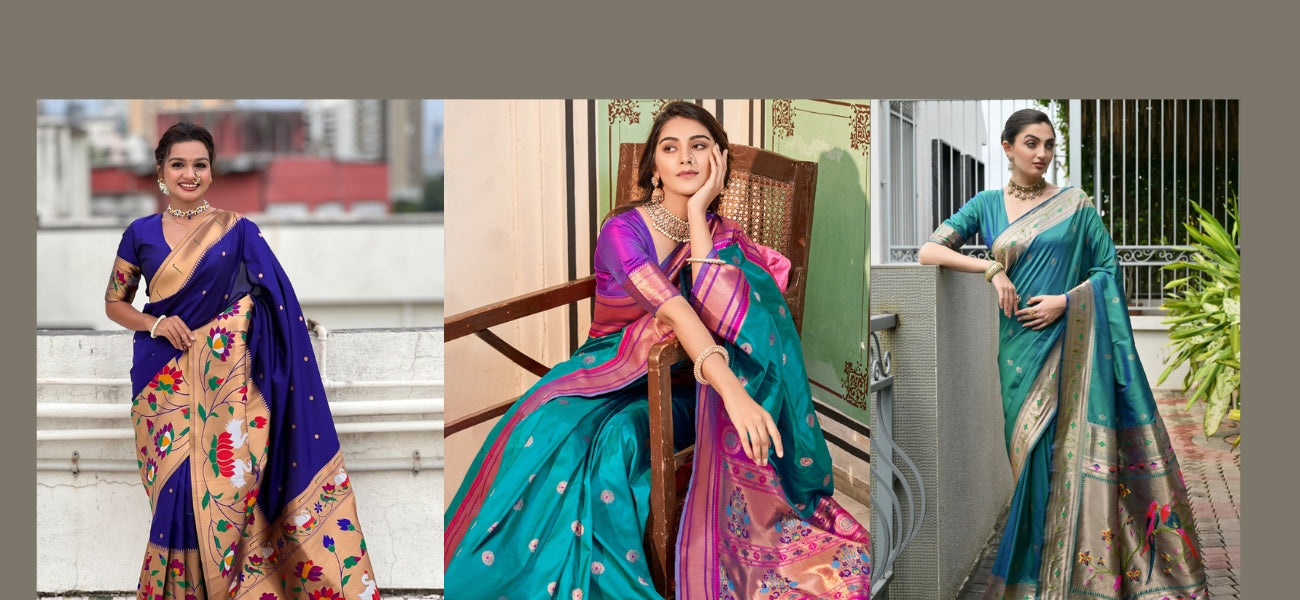
If you're looking for silk sarees with that same wearable elegance for day-to-day occasions, our silk saree collection has options across multiple weave styles and budgets — including beautifully woven pieces like this Cosmic Purple Banarasi (₹3,823) that work well for festive office days when you want something with more structure than Chanderi.
For a deeper dive into how to evaluate silk quality before buying, our silk saree buying guide walks through authentication tests, weave types, and what to look for at different price points.

Frequently Asked Questions
Is Chanderi a pure silk saree?
Most Chanderi sarees are a silk-cotton blend — silk warp with cotton weft. This gives the fabric its characteristic sheerness and lightness. Pure silk Chanderi (both warp and weft in silk) exists but is rarer and significantly pricier, usually ₹15,000+. Cotton Chanderi (no silk) is also available at lower price points.
How do I know if a Chanderi saree is genuine?
Three checks: hold it to light (should be semi-transparent), rub the zari between fingers (real zari feels slightly rough), and look for a GI tag or certification. Authentic Chanderi is woven on pit looms in Chanderi town, Madhya Pradesh, and takes at minimum 7–10 days to produce — so prices below ₹2,500 usually indicate machine-made imitations.
Can I wear a Chanderi saree to a wedding?
Yes, especially for daytime ceremonies like mehendi, haldi, or morning puja rituals. For evening receptions or main wedding events, most people prefer heavier silks like Kanjivaram or Banarasi for the visual weight they carry in photographs. A heavily-worked zari jaal Chanderi at ₹10,000+ can absolutely hold its own at semi-formal wedding events.
Shop the full range of woven silk sarees at MySilkLove → Explore the Collection

Shop Chanderi & Lightweight Silk Sarees
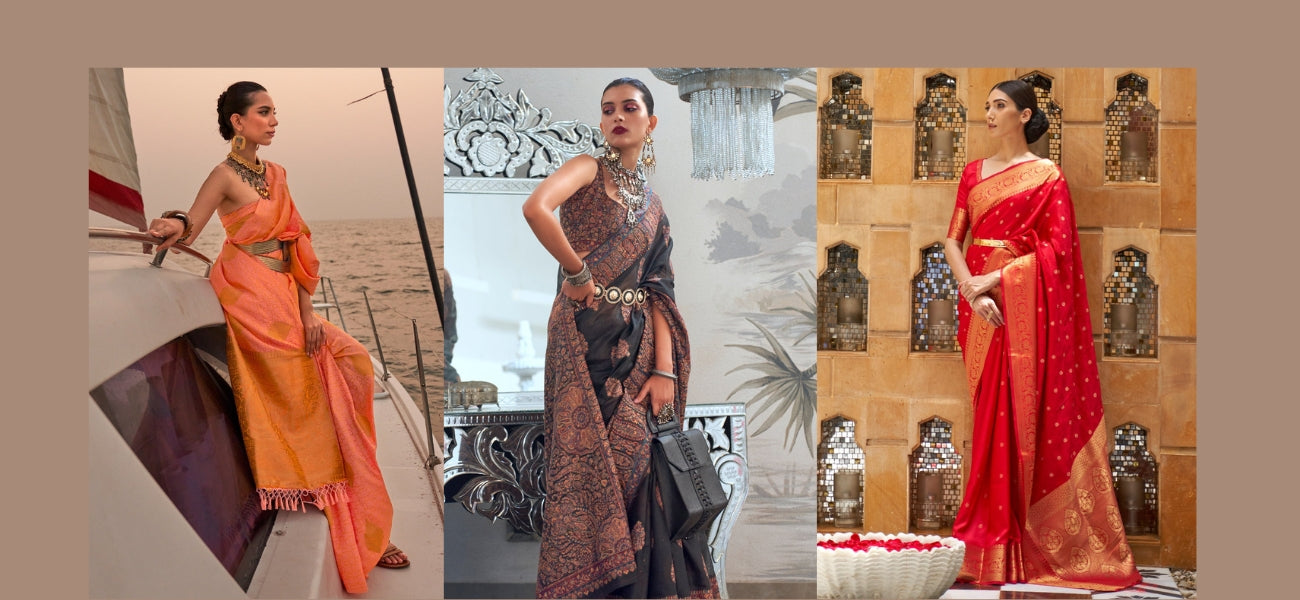
Ready to add a Chanderi to your weekday wardrobe? Browse our Chanderi silk sarees collection for the silk-cotton blends, coin-buti weaves and breathable office drapes this guide describes — sort by price to find your tier. If the AC-office use case above is what you are actually shopping for, our office wear sarees edit collects the all-day professional drapes across weaves. And for the lightest, most breathable daily-wear options that share Chanderi's all-day comfort, see our cotton sarees collection.

Leave a comment
This site is protected by hCaptcha and the hCaptcha Privacy Policy and Terms of Service apply.