
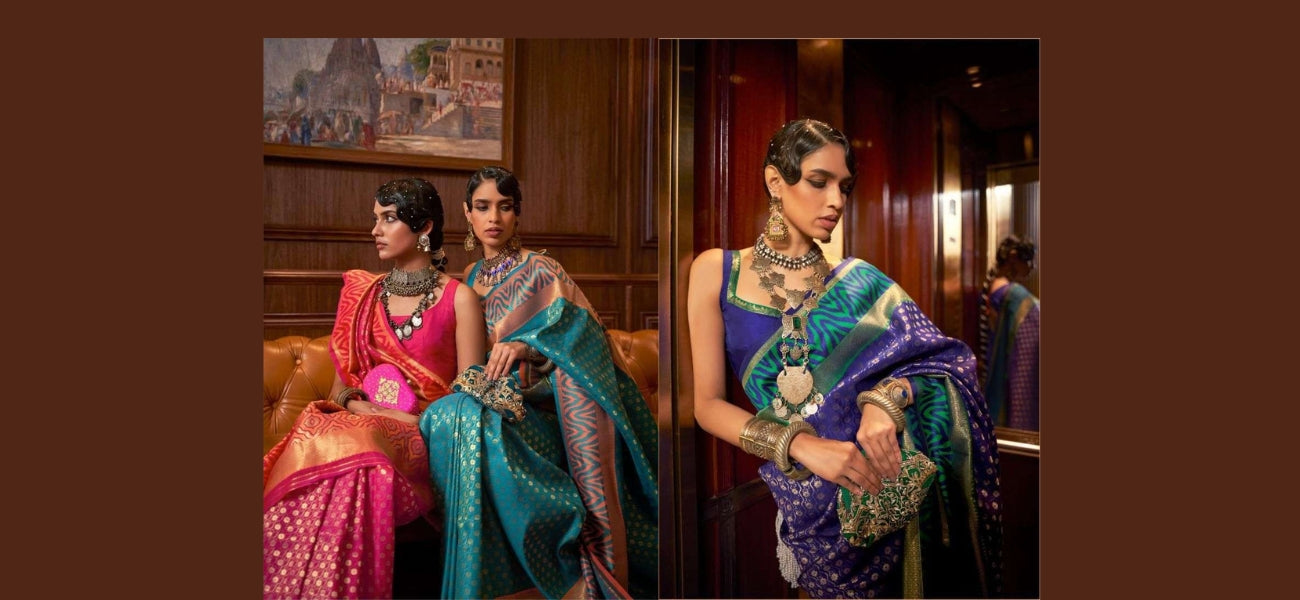
Which Saree to Wear for Each Wedding Function – The Complete Guide
A wedding in India is not one event — it is a five-day festival with its own dress code at every function. Wearing the wrong fabric to the wrong function is a rookie mistake: a heavy silk Kanjivaram at an outdoor Haldi is a disaster waiting to happen, and a cotton saree at the wedding reception will look underdressed. This guide covers exactly what to wear to each function, with specific fabric picks, colour guidance, price ranges, and tips on what to avoid.
Haldi Saree
The Haldi ceremony is a daytime outdoor event involving turmeric paste, water, and general chaos. Your saree will almost certainly get stained. Plan accordingly.
Fabric
Choose cotton, linen, or a cotton-silk blend — fabrics that wash easily and won't be ruined by turmeric. Old silks that have already had their first washes are also an option. Absolutely avoid Kanjivaram, Banarasi pure silk, or any saree with real zari — turmeric permanently stains zari and silk dyes at this depth.
Colour
Yellow is the traditional choice — it hides turmeric stains and aligns with the ceremony's colour theme. White is risky (turmeric stains white permanently). Mustard, orange, and lime green also work well. Many families choose a matching colour so the bridal party photographs beautifully.
Price Range
Rs 500–2,000. This is intentionally a budget function from a saree perspective. A handloom cotton in a festive colour at this price point is ideal — buy something you won't be heartbroken to retire after the event.
What to Avoid
Avoid real zari borders, pure silk, chiffon (turmeric binds to synthetic fibres), and any saree with embroidery or mirror work that cannot be cleaned. Also avoid very dark colours — turmeric shows on dark fabric as a bright yellow splotch that does not wash out.

Mehendi Saree
The Mehendi is typically a relaxed afternoon or evening function with music, dancing, and — obviously — henna. You will be sitting cross-legged and moving your hands carefully for hours.
Fabric
Opt for georgette, chiffon, cotton silk, or soft chanderi. These fabrics are light enough to be comfortable during long sitting periods and do not crease badly when you inevitably adjust your position. Avoid stiff silks like pure Kanjivaram, which are uncomfortable when sitting on the floor for extended periods.
Colour
Green is the traditional Mehendi colour in most communities — from lime to emerald. Yellow-green, teal, and orange are popular contemporary choices. The Mehendi palette is vibrant and playful — this is the function for bold colour blocking and contrast blouses.
Price Range
Rs 2,000–5,000. A georgette or chiffon saree with embroidery or threadwork at this price range is ideal. You want something that photographs well but is comfortable enough to sit in for four hours. Browse Banarasi georgette options →
What to Avoid
Avoid very light colours (mehendi drips), heavy Kanjivaram or Banarasi silk (uncomfortable for floor-sitting), and sarees with delicate embroidery on the pallu that you'll be sitting on.

Sangeet Saree
The Sangeet is where you dress to dance. It is typically an evening function with a stage, lights, and a playlist — the perfect opportunity for a statement saree.
Fabric
The best fabrics for a Sangeet are georgette, crepe, net, or organza — all of which move beautifully when you dance. Tissue silk and semi-silk are good middle grounds if you want some structure. Avoid pure heavy silks that are stiff and restrict movement.
Colour
This is your most fashion-forward function. Electric blue, hot pink, fuchsia, deep purple, and jewel-toned sarees with sequin or resham embroidery photograph beautifully under stage lighting. If the family has a coordinated colour palette, work within it — otherwise, go bold.
Price Range
Rs 3,000–8,000. At the higher end, a net or organza saree with heavy mirror or sequin embroidery is a stunning Sangeet choice. Budget-friendly georgette with a contrast blouse works equally well on the dance floor. Explore embellished options →
What to Avoid
Avoid very long, flowing pallus that you will step on while dancing. Avoid stiff fabrics that restrict leg movement. Also avoid very pale colours — Sangeet lighting and sweat are not kind to pale chiffon.

Wedding / Baraat Saree
The main wedding ceremony is where you pull out your finest. For close family members and the bride herself, this is the most formal function of the entire wedding calendar.
Fabric
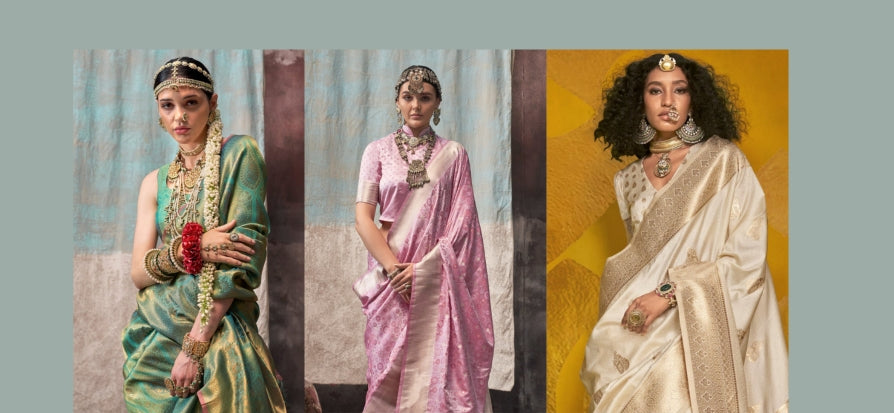
Pure silk is the gold standard: Kanjivaram, Banarasi katan silk, Paithani, or Mysore silk. For brides, a heavy pure-silk Kanjivaram or a Banarasi with real gold zari is the classic choice. For family members and guests who want a step below, semi-silk Kanjivaram or a quality Banarasi are appropriate. Browse Kanjivaram → | Browse Banarasi →
Colour
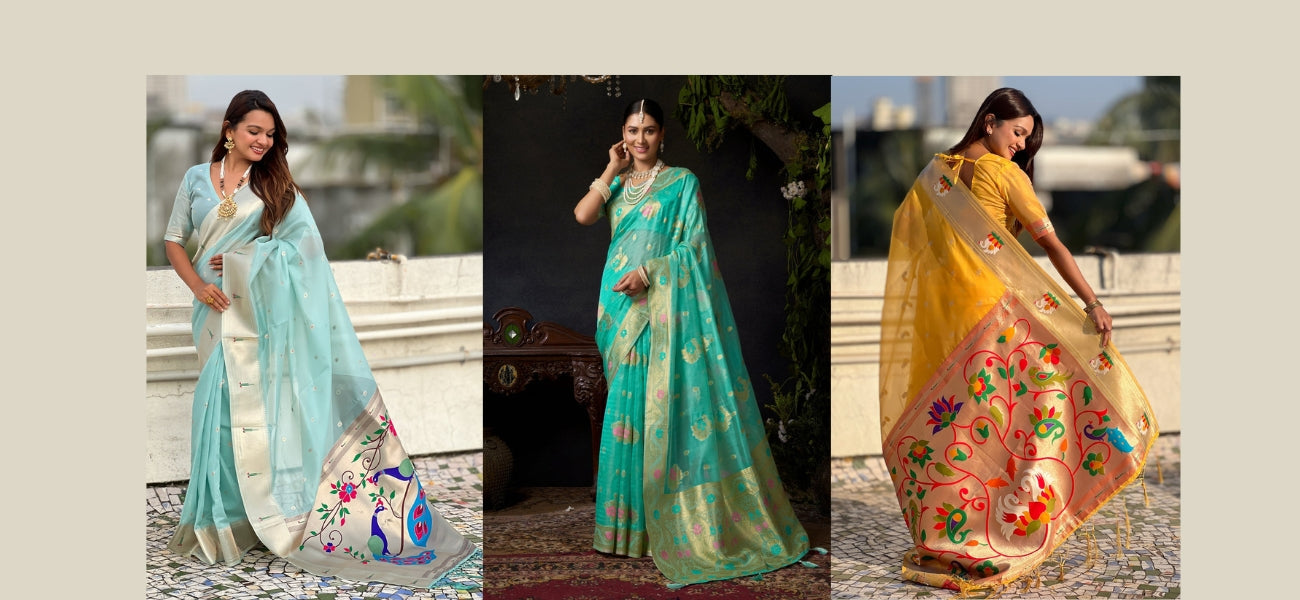
Red is the traditional bridal colour in most North and South Indian communities. South Indian brides often choose red or cream Kanjivaram; North Indian brides lean towards red Banarasi. For family: avoid wearing red if you are not the bride — opt for deep maroon, royal blue, forest green, or purple. Maharashtrian brides traditionally wear a green or red Paithani. Browse Paithani → | Browse Maharashtrian →
Price Range
Rs 8,000–25,000. This is the function to invest in. A genuine handwoven Kanjivaram or Banarasi at this price range is a lifetime piece — wear it again at future weddings and pass it to the next generation. Budget variants (semi-silk) start around Rs 5,000 for wedding guests.
What to Avoid
Avoid white (inauspicious in most communities), avoid upstaging the bride with the same colour, and avoid synthetic sarees that look shiny under photography lighting in a way that reads cheap. Also avoid very lightweight or sheer fabrics — the wedding ceremony is long, and you want the gravitas of a well-draping silk.

Reception Saree
The reception is the bride's opportunity to wear something different from the wedding ceremony — more contemporary, more personally expressive. For guests, it is the most fashion-forward function of the week.
Fabric
For brides: net, georgette, or a lighter silk like tissue or organza in a non-traditional colour makes a statement. For guests: any saree fabric from silk to chiffon works — the reception is the most relaxed formal event in terms of dress code.
Colour
Brides often choose pastel, gold, or jewel tones for the reception — blush pink, champagne gold, royal blue, or deep green. Family and guests can wear any colour except white; coordinating with the reception decor theme is increasingly popular.
Price Range
Rs 5,000–15,000 for a reception-worthy saree. Net or organza sarees with heavy embroidery or sequin work in this range photograph beautifully at reception venues. Explore reception silks →

What to Avoid
Avoid wearing red or cream as a guest (commonly associated with the bridal look). Avoid very casual cotton sarees — reception venues are typically formal settings with a dress code that matches the effort.
Quick Reference Table
| Function | Best Fabric | Recommended Colours | Price Range |
|---|---|---|---|
| Haldi | Cotton, linen | Yellow, mustard, orange | Rs 500–2,000 |
| Mehendi | Georgette, chiffon, chanderi | Green, teal, orange | Rs 2,000–5,000 |
| Sangeet | Georgette, net, organza | Fuchsia, electric blue, purple | Rs 3,000–8,000 |
| Wedding/Baraat | Kanjivaram, Banarasi katan, Paithani | Red (bride), maroon/blue/green (family) | Rs 8,000–25,000 |
| Reception | Net, tissue silk, organza, georgette | Pastels, gold, jewel tones | Rs 5,000–15,000 |
Frequently Asked Questions
Can I wear the same saree for Mehendi and Sangeet?
Technically yes, but it is rarely a good idea. Mehendi and Sangeet have different vibes — Mehendi is a relaxed afternoon event where comfort matters most; Sangeet is an evening performance event where you want to look your most festive. If you must double up, choose a georgette saree that works for both and change your blouse, jewellery, and hair between functions. Most women prefer to have two separate sarees — the price difference at these two functions is manageable (Rs 2,000–8,000 each).
What is the best fabric for a summer wedding?
For summer weddings — especially outdoor or daytime functions — prioritise breathability over glamour. Cotton silk, chanderi, organza, and linen are your best bets. Pure Kanjivaram and heavy Banarasi are beautiful but genuinely uncomfortable in 35°C heat. If you must wear silk to a summer ceremony, choose a lighter weight (under 600 g) and pair it with a cotton lining. For Haldi and Mehendi, pure cotton is the only sensible choice in summer.
How much should I budget for wedding sarees across all functions?
A realistic budget for a complete wedding trousseau — covering all five functions — is Rs 20,000–55,000, broken down as: Haldi (Rs 1,000), Mehendi (Rs 3,000–5,000), Sangeet (Rs 5,000–8,000), Wedding (Rs 10,000–25,000), Reception (Rs 8,000–15,000). For brides looking to invest in heirloom pieces, allocate the largest share to the wedding saree — it is the one that will be in every photograph and potentially passed down. Function sarees like Haldi and Mehendi are intentionally budget purchases.

Browse MySilkLove's Wedding Edit
From Haldi cotton to Kanjivaram bridal silk — shop every function in one place.
Kanjivaram | Banarasi | Paithani | Maharashtrian
Shop sarees for every wedding function
The Kanjivaram, Banarasi, Paithani and Maharashtrian shelves are all linked in the lines above, so this section fills the functions that still have nowhere to go. Plan the whole calendar from our bridal Wedding Edit, which is hand-picked rather than rule-built. The reception gets a full fabric brief above but no shelf of its own, so start there with the reception saree collection — it is rule-built, which means a saree only appears on it while stock is recorded against it. The tissue silk named in both the reception brief and the quick-reference table is gathered in the tissue saree edit, and the chiffon the Mehendi row calls for is in the chiffon saree collection — both built on that same in-stock rule.

Leave a comment
This site is protected by hCaptcha and the hCaptcha Privacy Policy and Terms of Service apply.